
In 2026, luxury residential architecture demands homes that feel resolved, built with material honesty, designed for longevity, and a genuine connection to their environment. Sustainability and personalisation are no longer selling points. They are the starting point.

Quiet luxury is the defining ethos of 2026 high-end design. Clients are prioritising design longevity over novelty, moving toward spaces that feel considered, calm, and built to last, where quality reveals itself over time rather than demanding attention on arrival.
Tactile, natural surfaces over high-gloss finishes.
Restrained color palettes anchored in earth tones and warm neutrals.
Intentional material selection specified for durability and how materials age over time.
Design details and finishes that speak for themselves.
In 2026, luxury buyers assume passive house principles, low-embodied-carbon materials, and net-zero energy performance as standard. The question is no longer whether a home is sustainable, but how elegantly it achieves it.
Low-embodied-carbon materials: sustainable wood, recycled aluminum, low-carbon concrete.
Passive house design principles: strategic window placement, thermal mass, and high-performance insulation.
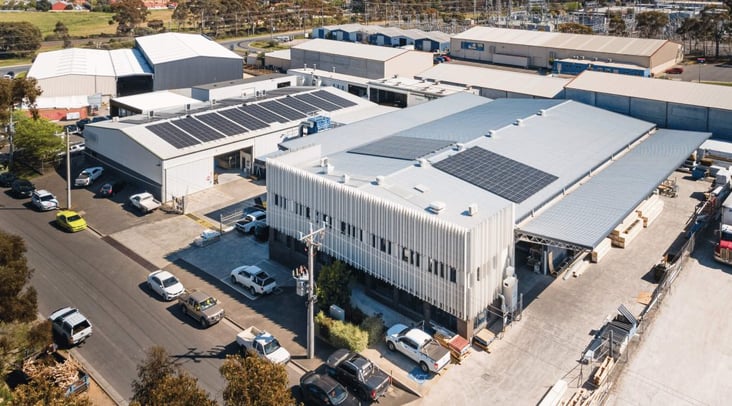
Ventilated facade systems that improve energy performance while adding architectural depth.

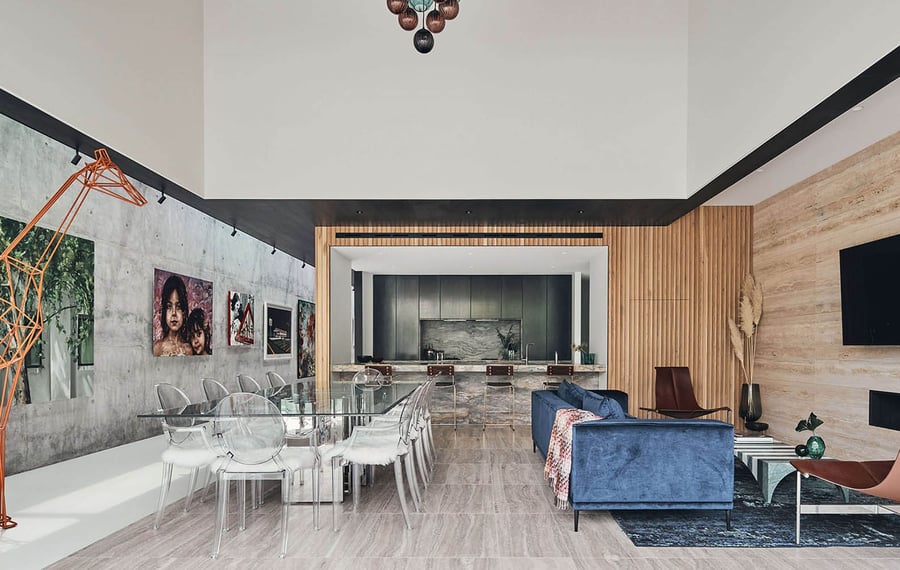
Warm minimalism keeps spaces uncluttered and well-edited, but swaps sterility for tactility, each carrying more weight, chosen for what they feel like as much as how they look.
Earthy, warm-neutral color palettes: clay, sand, deep umber, forest tones.
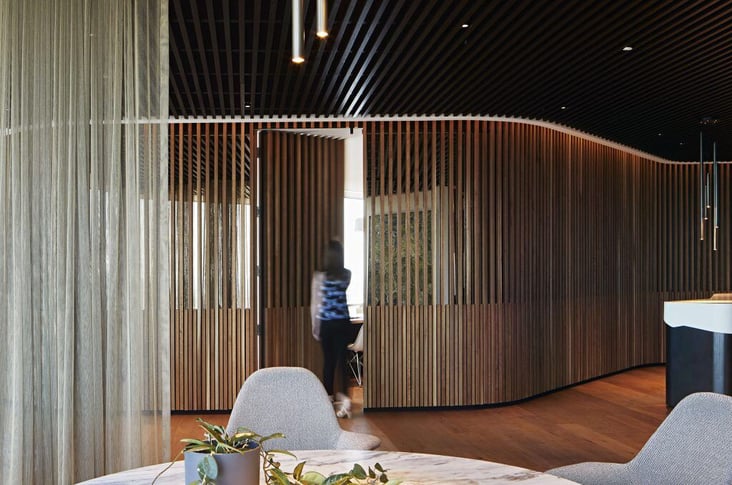
Concealed storage and hidden doors creating seamless, uncluttered spaces.
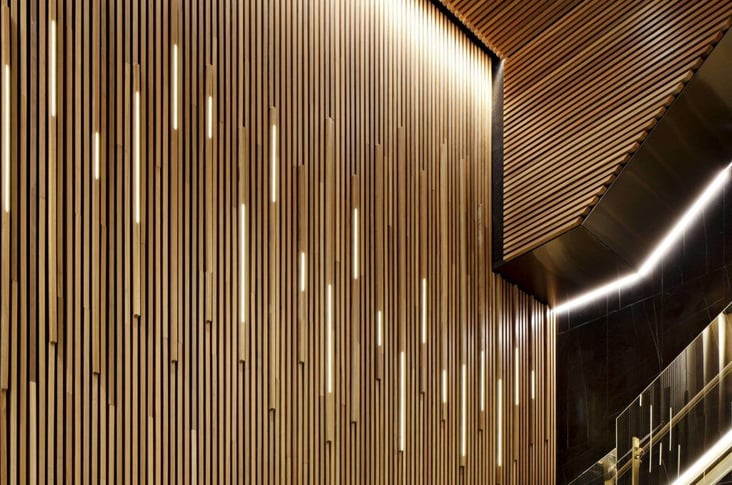
Concealed technology: hidden speakers, invisible lighting, and smart glass.
Luxury wellness amenities: spa-like bathrooms with chromotherapy lighting and automated aromatherapy systems.

Biophilic design has moved beyond styling into architecture itself. The most compelling luxury homes in 2026 embed the connection to nature through material selection and spatial sequencing, not as an afterthought, but as a foundational design decision.
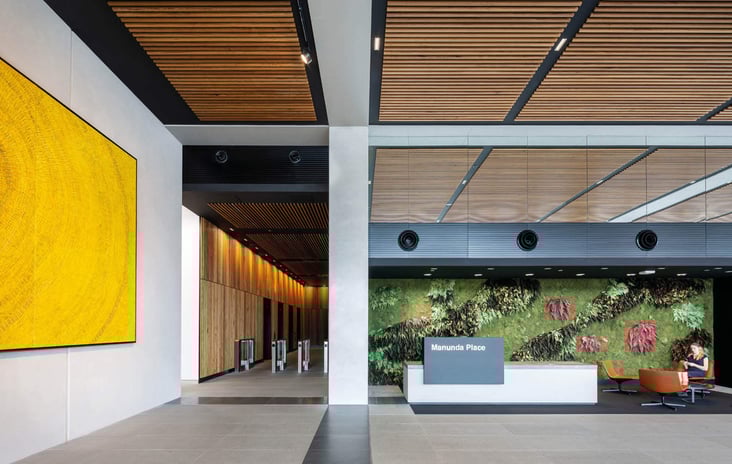
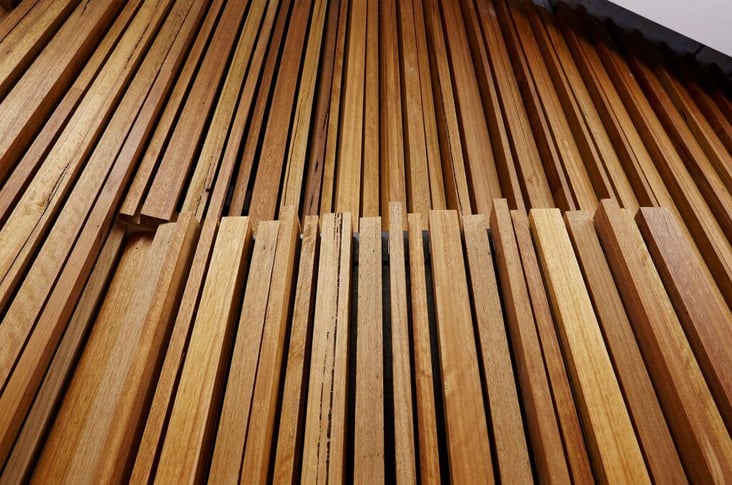
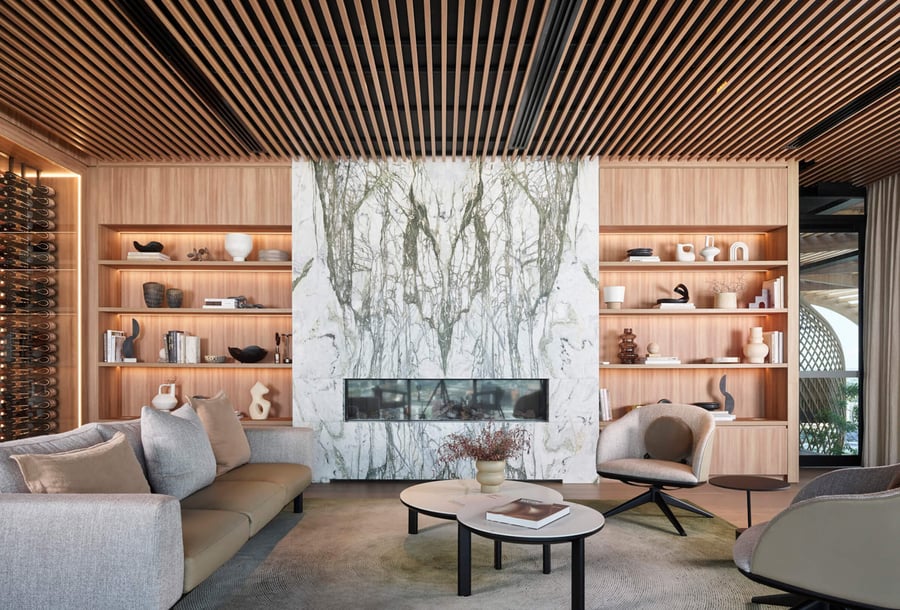
Wood battens on interior feature walls and ceilings with acoustic benefit.
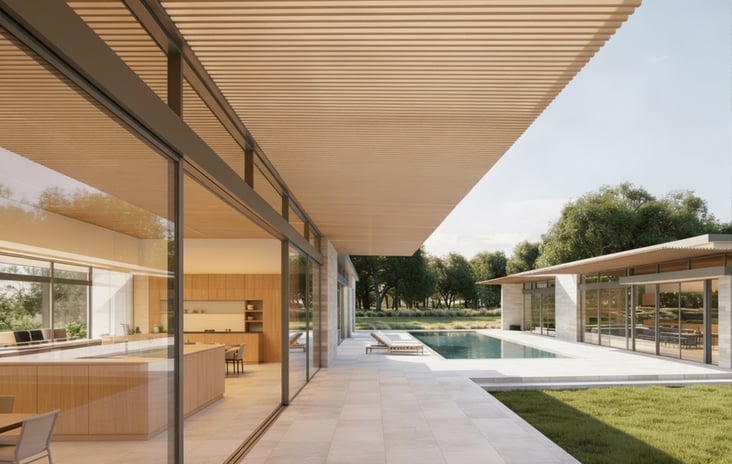
Natural Material continuity between indoor and outdoor areas.
Indoor gardens, green walls, and living roofs that bring nature into urban settings.
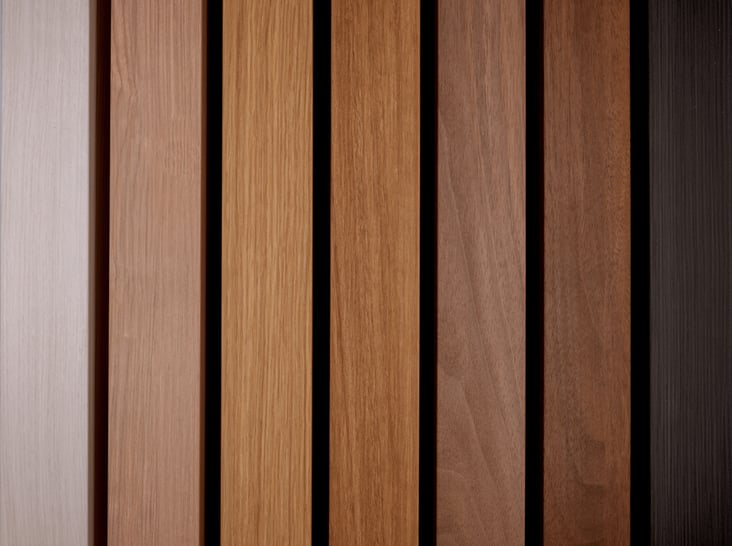
Natural textures like wood, stone, and organic finishes to enhance the feeling of tranquillity.

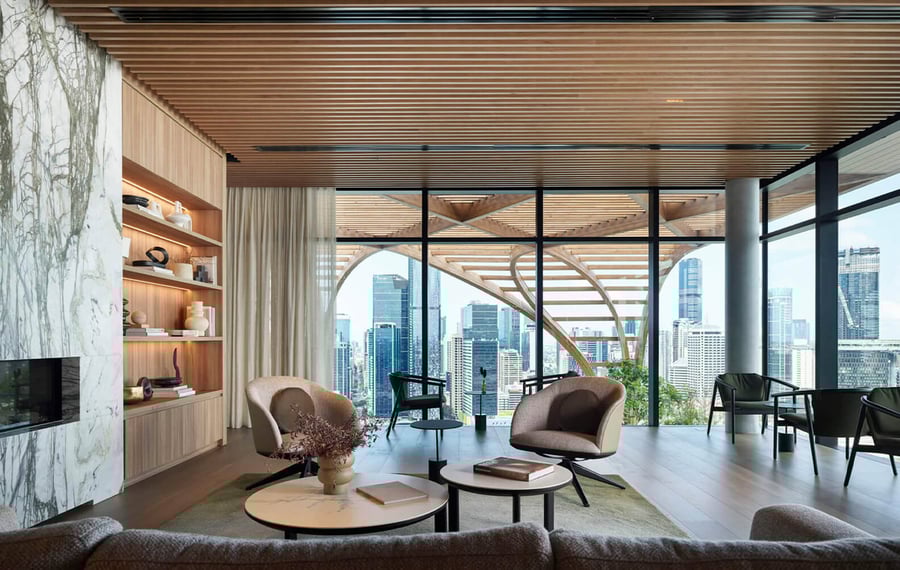
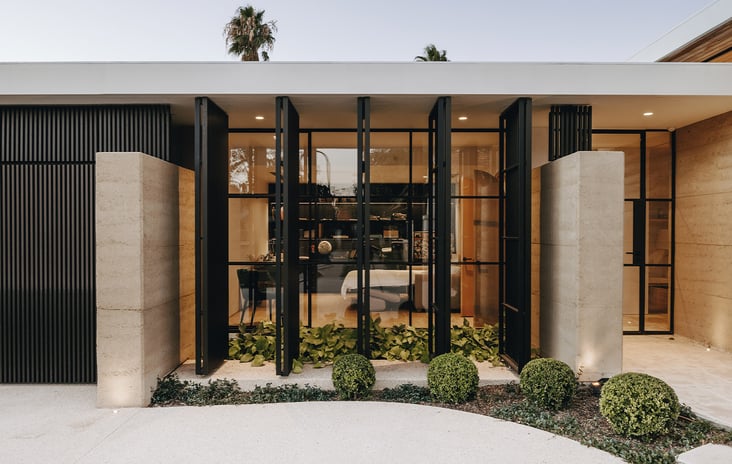
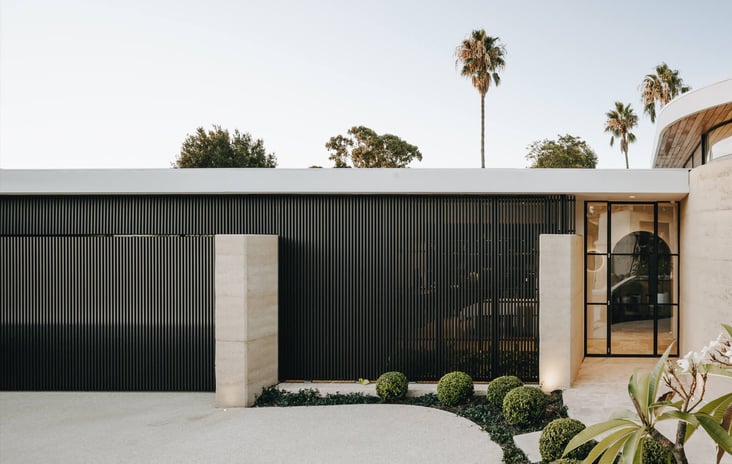
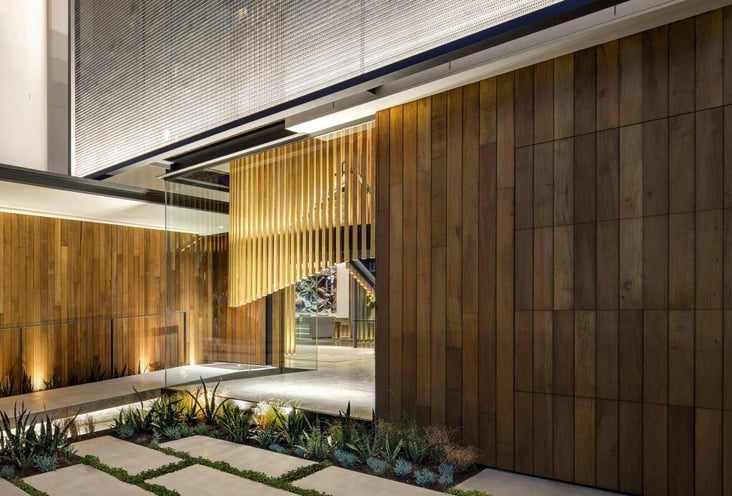
Single-material facades are giving way to curated, layered envelopes that combine materials for depth and rhythm. In 2026, the most considered luxury homes treat the facade as a composition with a hierarchy of materials, each playing a specific role rather than competing for attention.
Aluminum cladding as the primary envelope for durability and wood grain finishes.
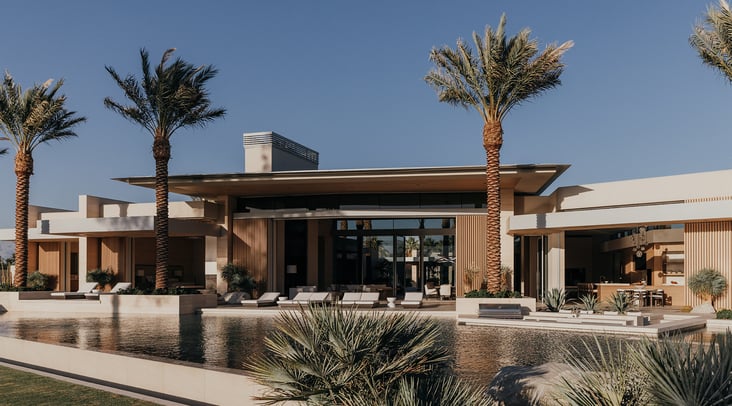
Wood battens for warmth and biophilic character.
Stone base zones for grounding and visual weight.
Matte finishes and shadow gap detailing that add depth without visual noise.

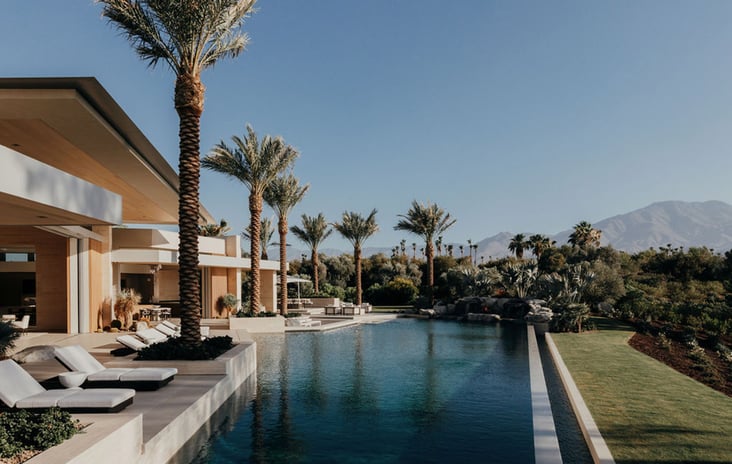
Pool houses, pavilions, and detached garages are now held to the same design standards as the main residence. When outdoor structures use the same cladding profile, batten rhythm, and material palette as the home, the entire property reads as one composed piece of architecture.
Material continuity to match cladding profile and finish across residence.
Screen and batten systems for shade and privacy without enclosing the space.
Weather-resistant materials that perform in sun, rain, and humidity without maintenance.
Lighting integration that mirrors the interior approach outdoors.


The clearest signal in 2026 luxury residential design is this: quality has overtaken spectacle. Clients are specifying homes built for design longevity, materials that age with dignity, spaces that work as hard as they look, and facades that perform as well as they photograph.
For architects and designers, this is a more demanding brief than it might appear. It requires intentional material selection at every decision point, understanding not just how a surface looks, but how it performs, how it ages, and how it reads in context. This requires a modular system that integrates in a high-performance building envelope.
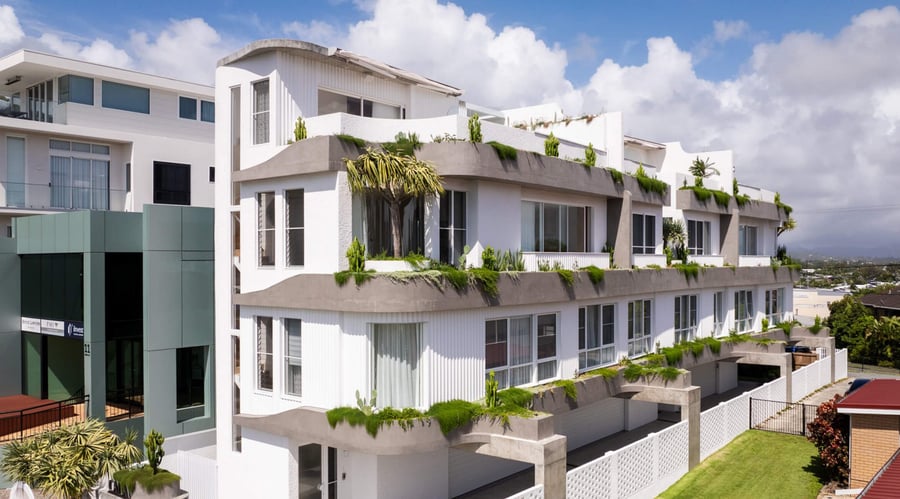
Sculptform's product range is built around the material demands of 2026 luxury residential design. Whether you are specifying a mixed-material facade, a biophilic interior feature wall, or a pool house that mirrors the main residence, the tools are here.
Click-on Battens: Wood and aluminum battens for feature walls, ceilings, screens, and facades.
Click-on Screens: Privacy and shade screens for outdoor structures and facade applications.
Click-on Cladding: Aluminum cladding available in wood-look finishes, designed for layered facade systems.


We get that specifying quickly and to budget is a challenge. Our interactive online tool allows you to drag and drop to create customised designs while being clear on the costs.