Curved Wood Walls and Ceilings
Transform Spaces with Curved Wood Architecture
Transform your space with our curved wallswalls and ceilings, designed to add warmth, elegance, and a striking architectural statement to any project.
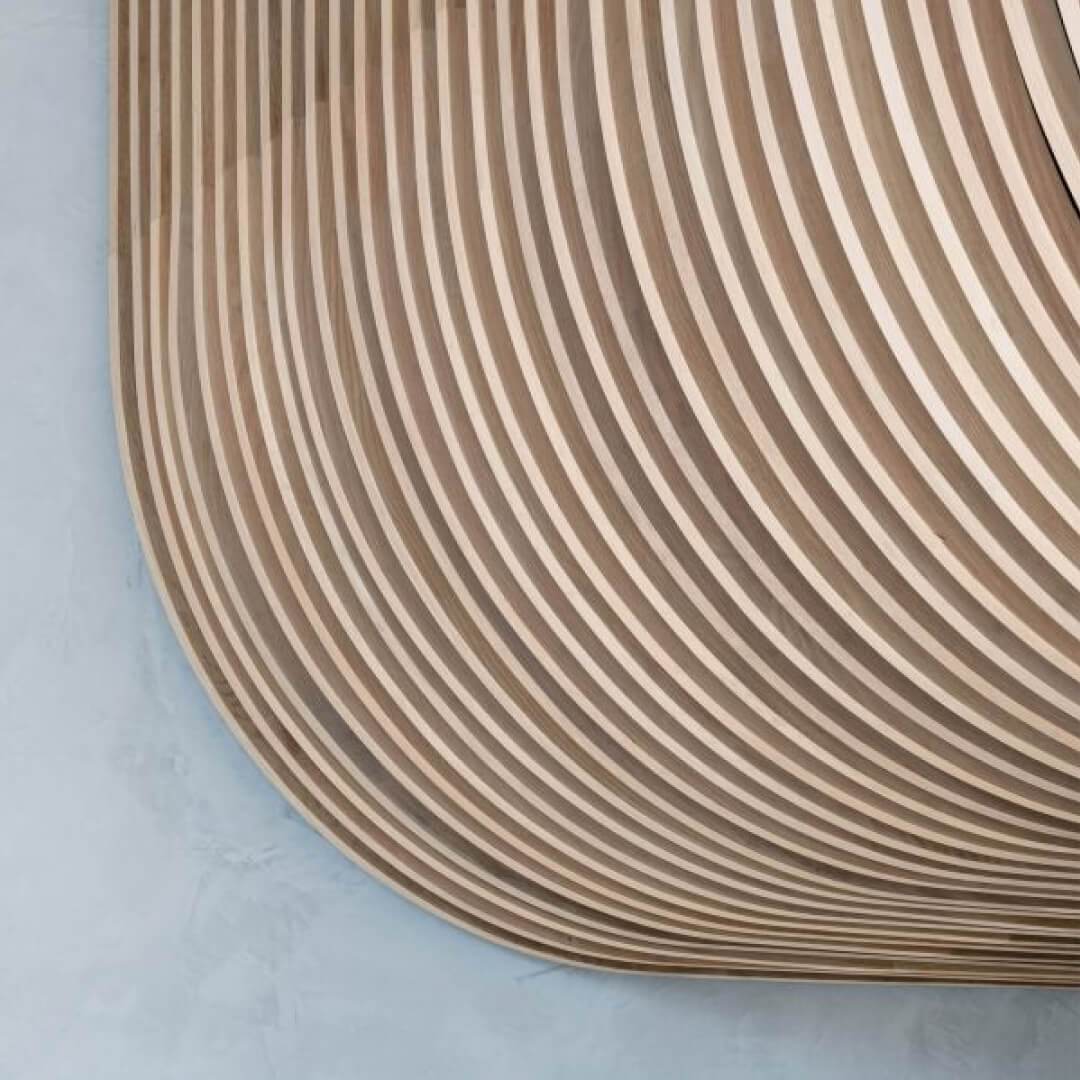
The Art of Architectural Curves
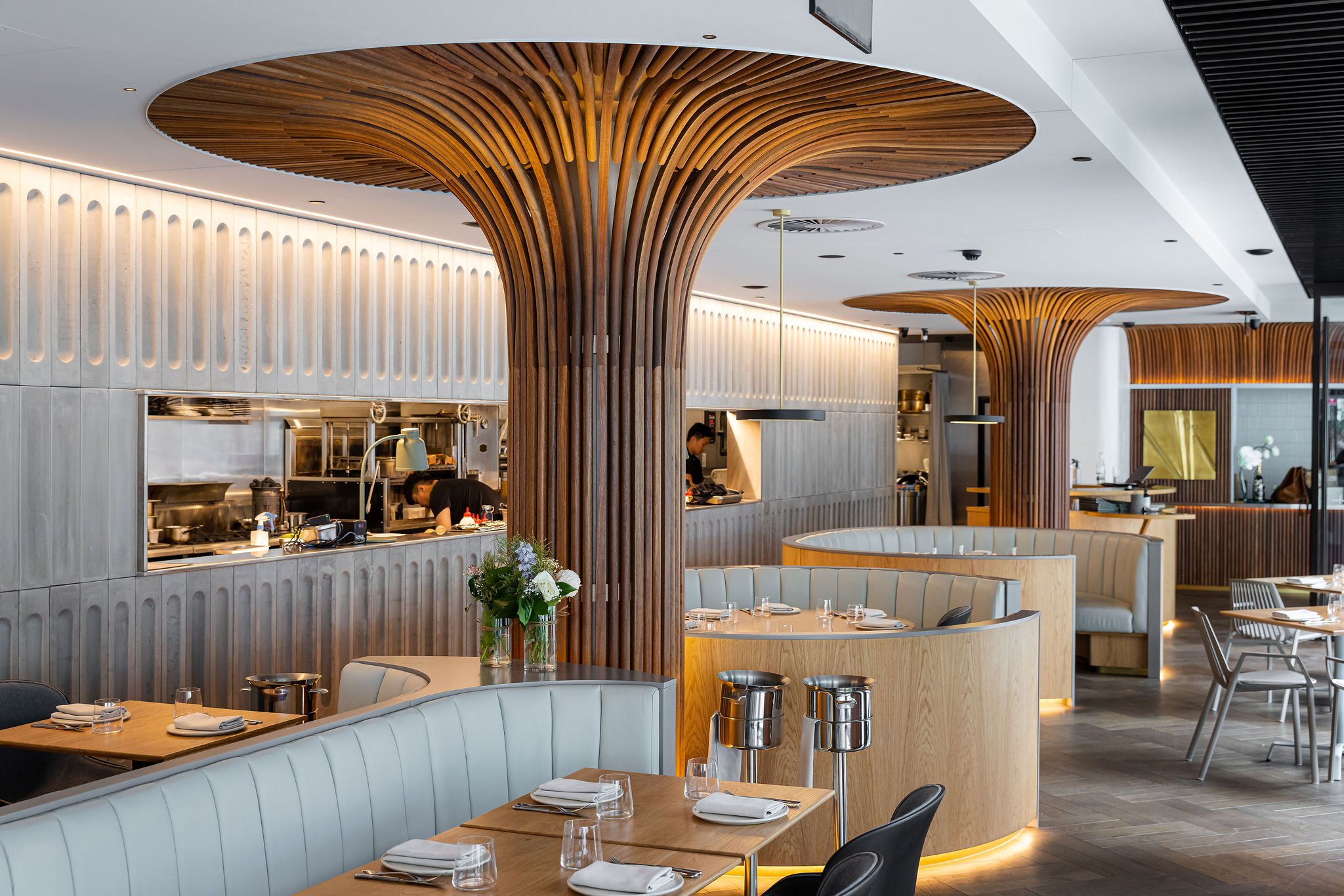
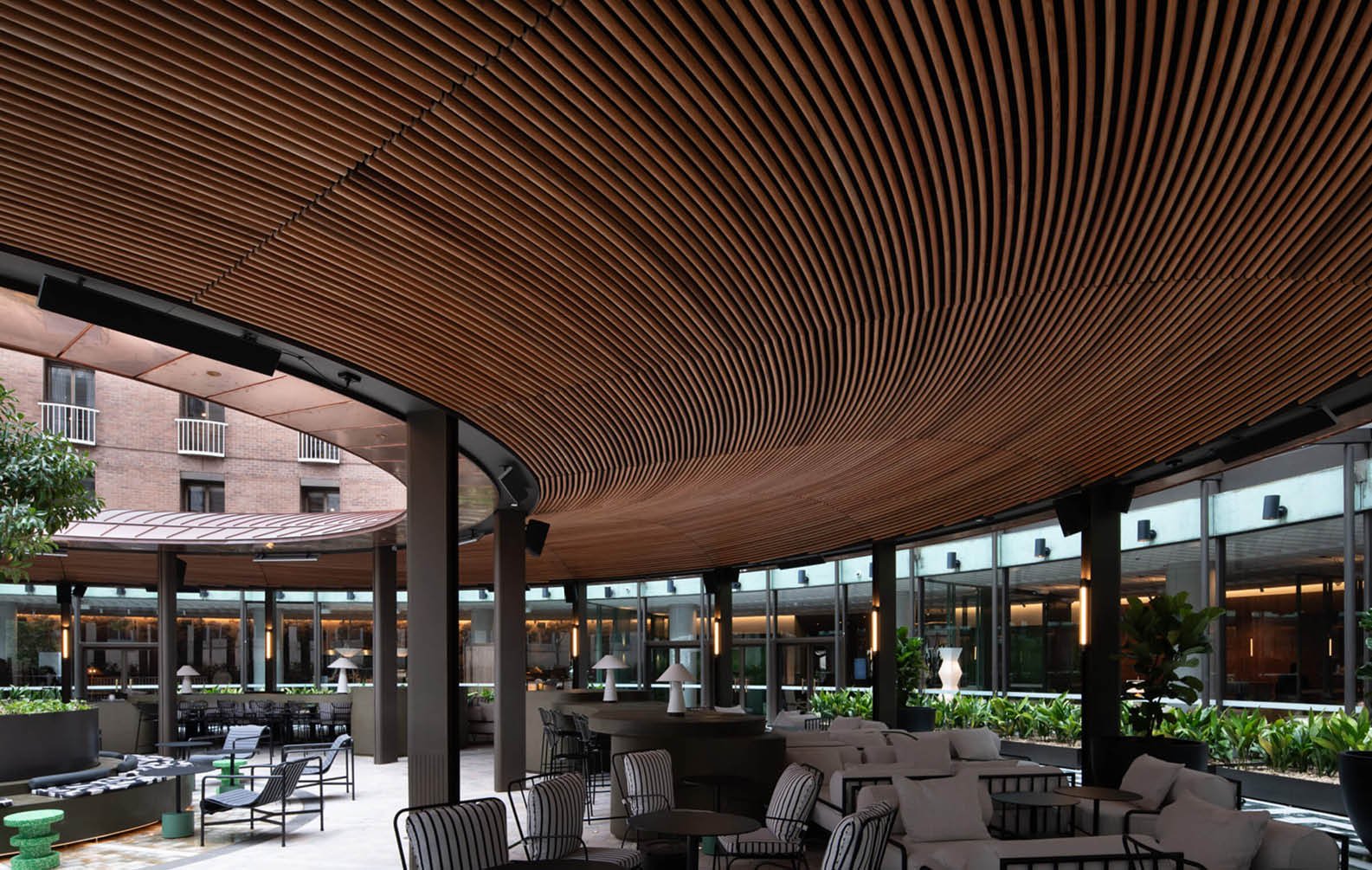
Curved wood walls and ceilings are a design choice you simply can’t go wrong with, as they transform interiors into works of art. Using steam-bending techniques and our award-winning Click-on Batten system, we bring fluid, organic forms to life, enhancing both aesthetics and acoustics.
For any designer or builder, achieving a curved timber ceiling or wall can be a difficult task. With the right solutions, you can trust us to help you throughout the process.
No curve or twist is out of our capabilities, as our manufacturing processes are second to none.
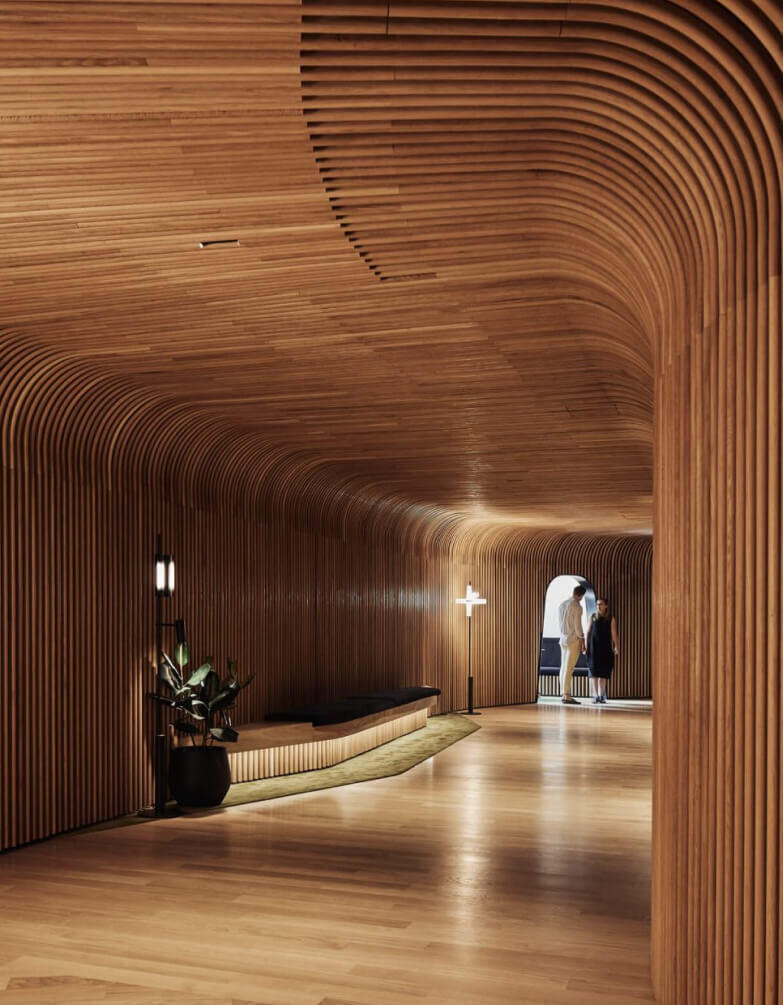
How do we Curve our wood?
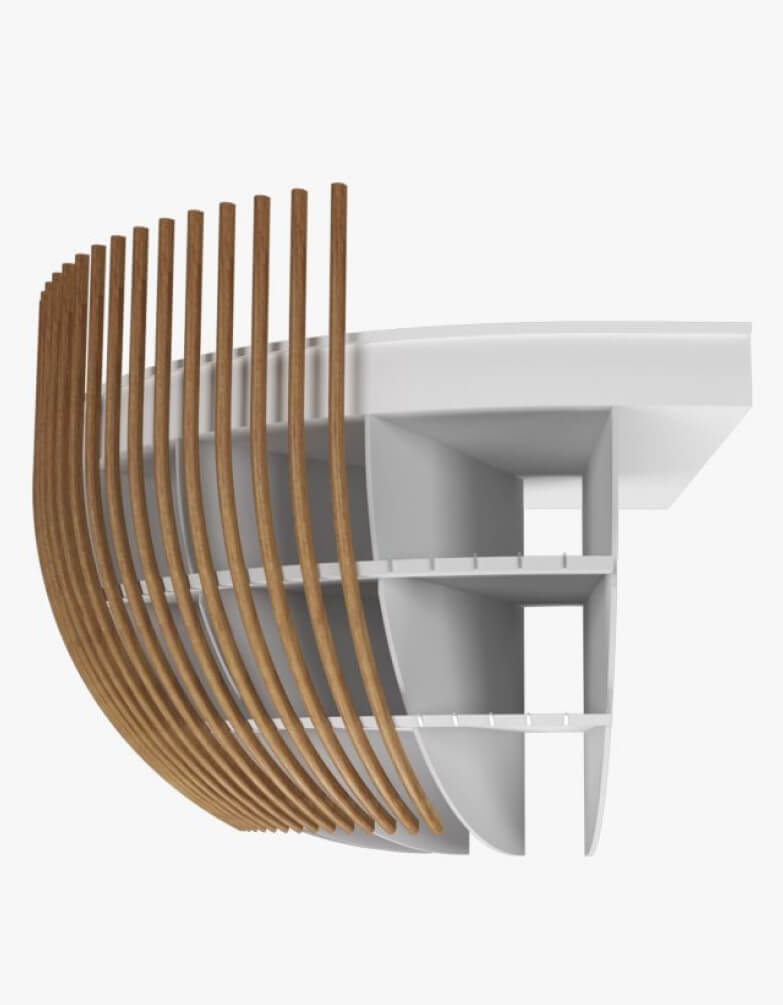
Our expert team uses steam bending and kerfing to curve solid wood battens without compromising strength or quality. These techniques preserve the wood's natural grain while allowing smooth, flowing forms to emerge across curved timber walls and ceilings.
The modular systems within our products enable you to overcome any challenge when you want to push the boundaries of design. We’re specialists at helping you turn your vision into a tangible timber feature wall or curved timber ceiling specification.
The Art of Architectural Curves
Sculptform’s Click-on Battens are available in a considered selection of wood species and coatings designed to complement curved wall, ceiling and façade designs. Spotted Gum is available for both interior and exterior applications, while American Oak and Grandis are suited to interior use, each offered in a curated range of coatings to achieve the desired tone, warmth and finish.
All wood species can be curved using kerfing, where precise cuts are introduced to allow the timber to flex and achieve controlled, accurate bends. For projects requiring a more consistent radius and smoother curved form, American Oak can also be steam-bent. This method is exclusive to American Oak and supports refined curved applications. This capability extends to exterior façade applications, as seen on projects such as the Arkadia.
You can view our wood options with full technical details, including finishes and performance information.
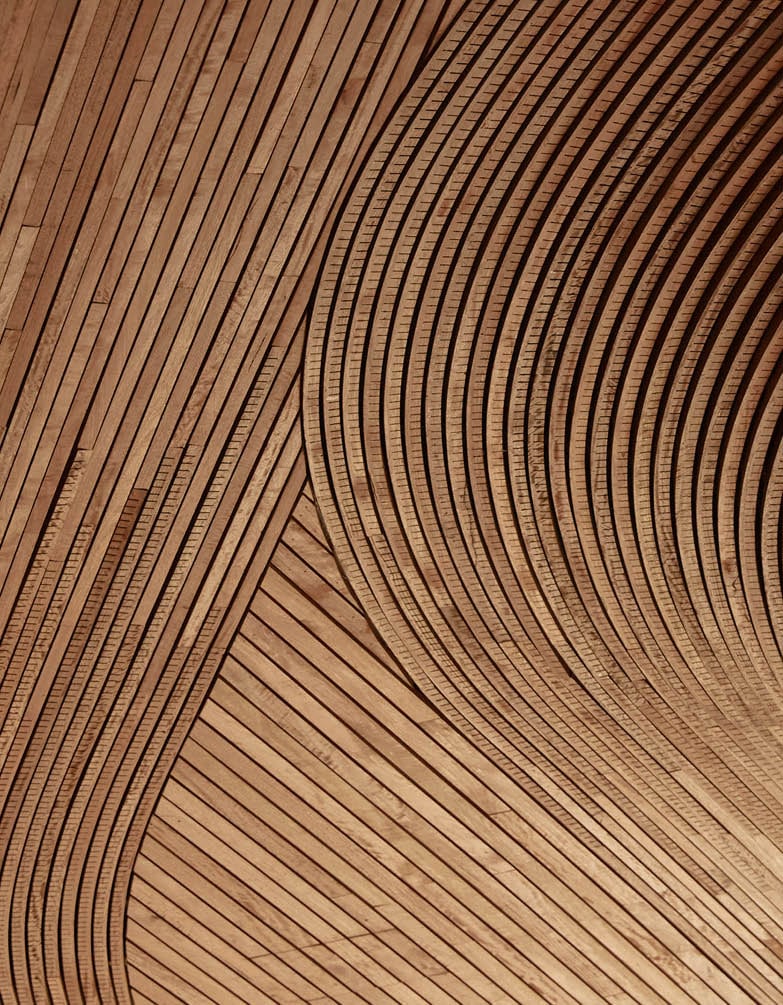
Meticulous Joins for a Flawless Finish
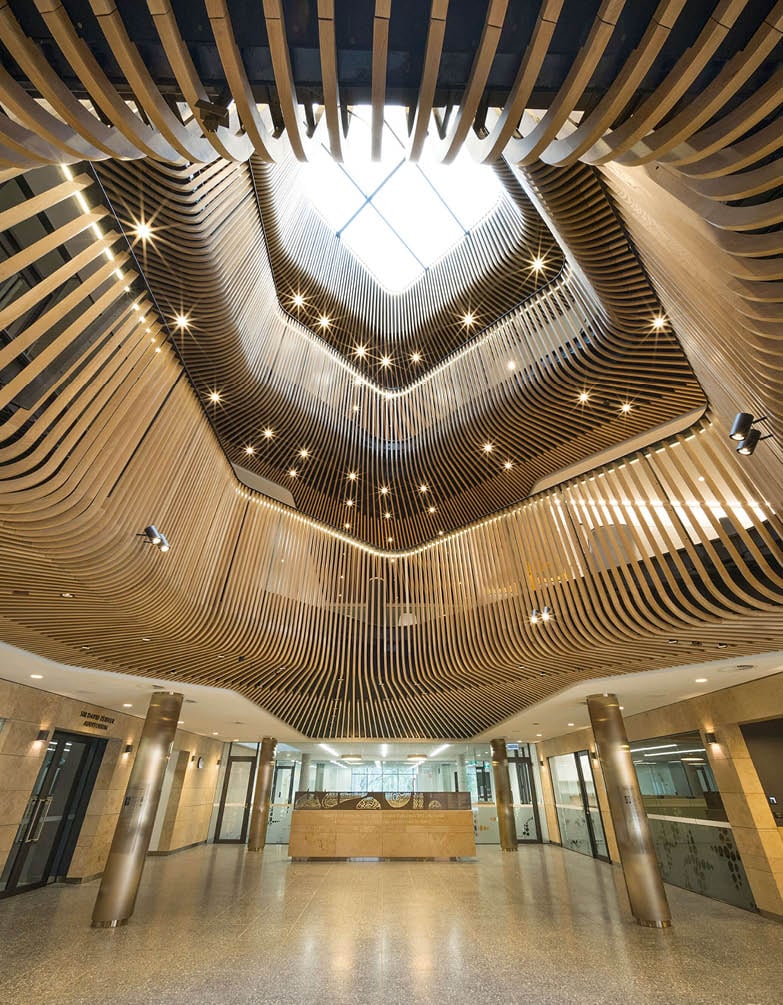
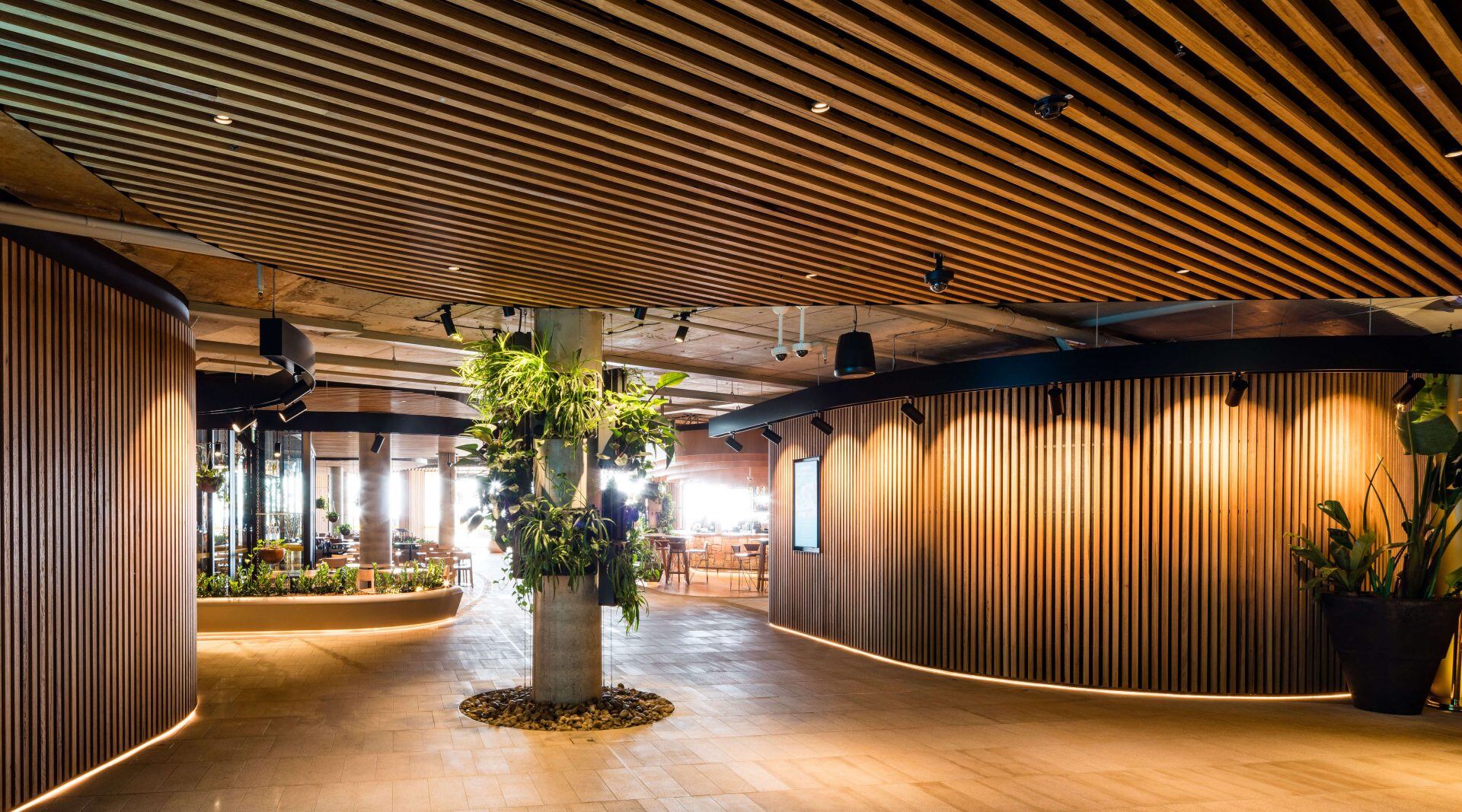
Our patented Click-on Batten system provides uninterrupted textures for any wall or ceiling. Each piece of curved wood seamlessly connects to the next using an end-matching system to create a smooth wall-to-ceiling transition.
Wood tonal variation is an aspect you can enjoy with curved ceilings, curved wood screen walls and curved wood panels, adding texture and further interest to an already impressive design choice.
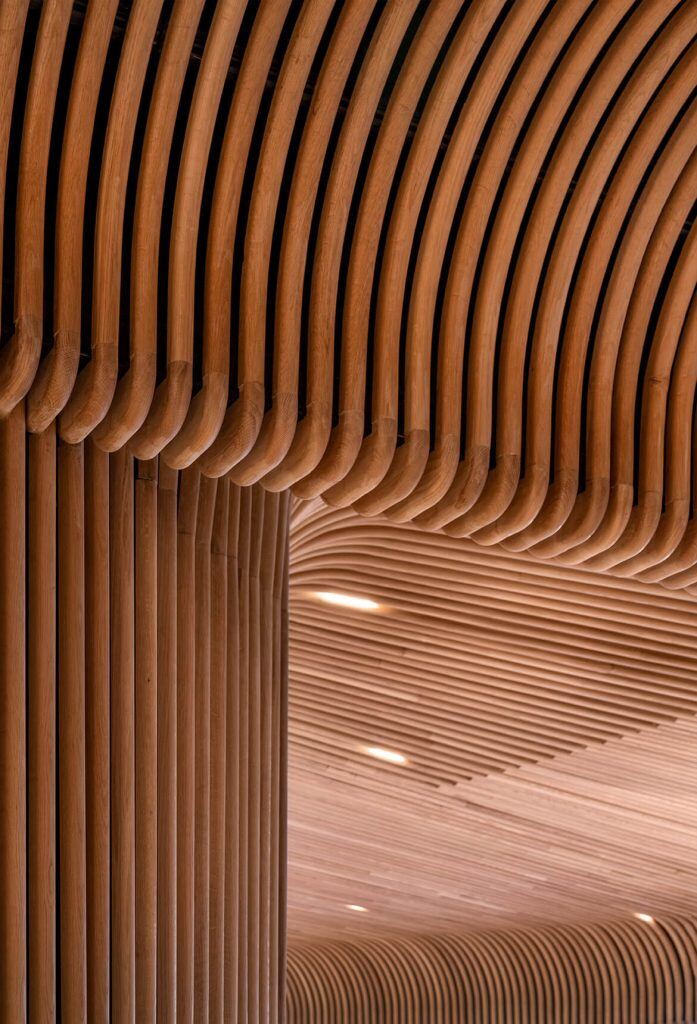
Curved Wood Screen
If you want a curved wood wall that also provides some visibility, our Click-on Screens will do the job perfectly. We are able to steam bend the pieces of wood batten and secure them to our tracks with a unique button connection.
Curved wood screens can also seamlessly connect with a curved wood ceiling. Adding a curved concept to a screen design certainly elevates the effect it has within an interior, drawing the eye upwards and creating intrigue.
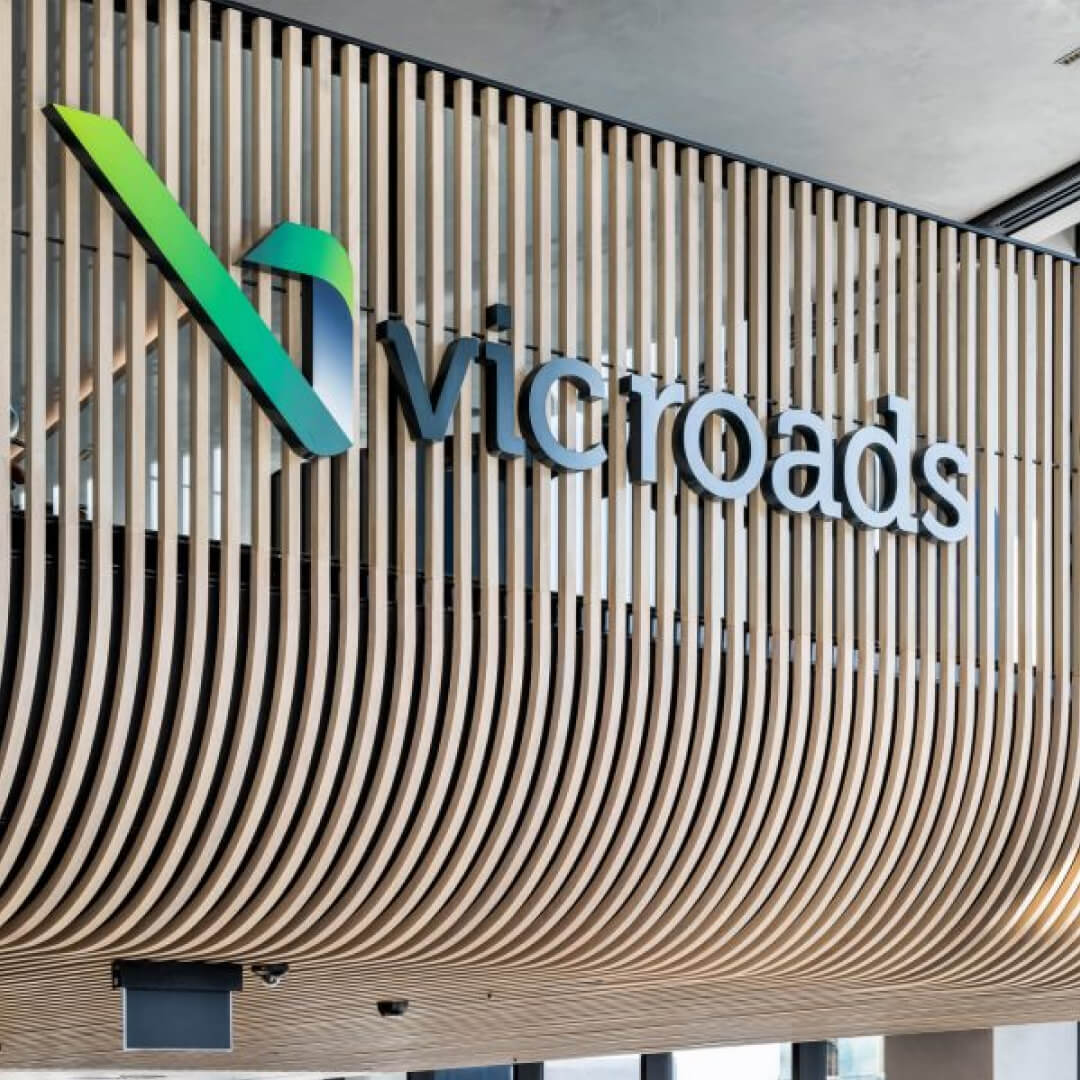
Precise Curves Every Time
Once pieces of timber are steam bent in the Sculptform factory, they stay that way. Longevity is promised and a flawless finish is delivered. Curving wood is one of our crafts and our state-of-the-art steam bending machinery can create multitudes of curved timber at precise degrees of curvature.
Learn how to choose the best curved wood option for your next project below.
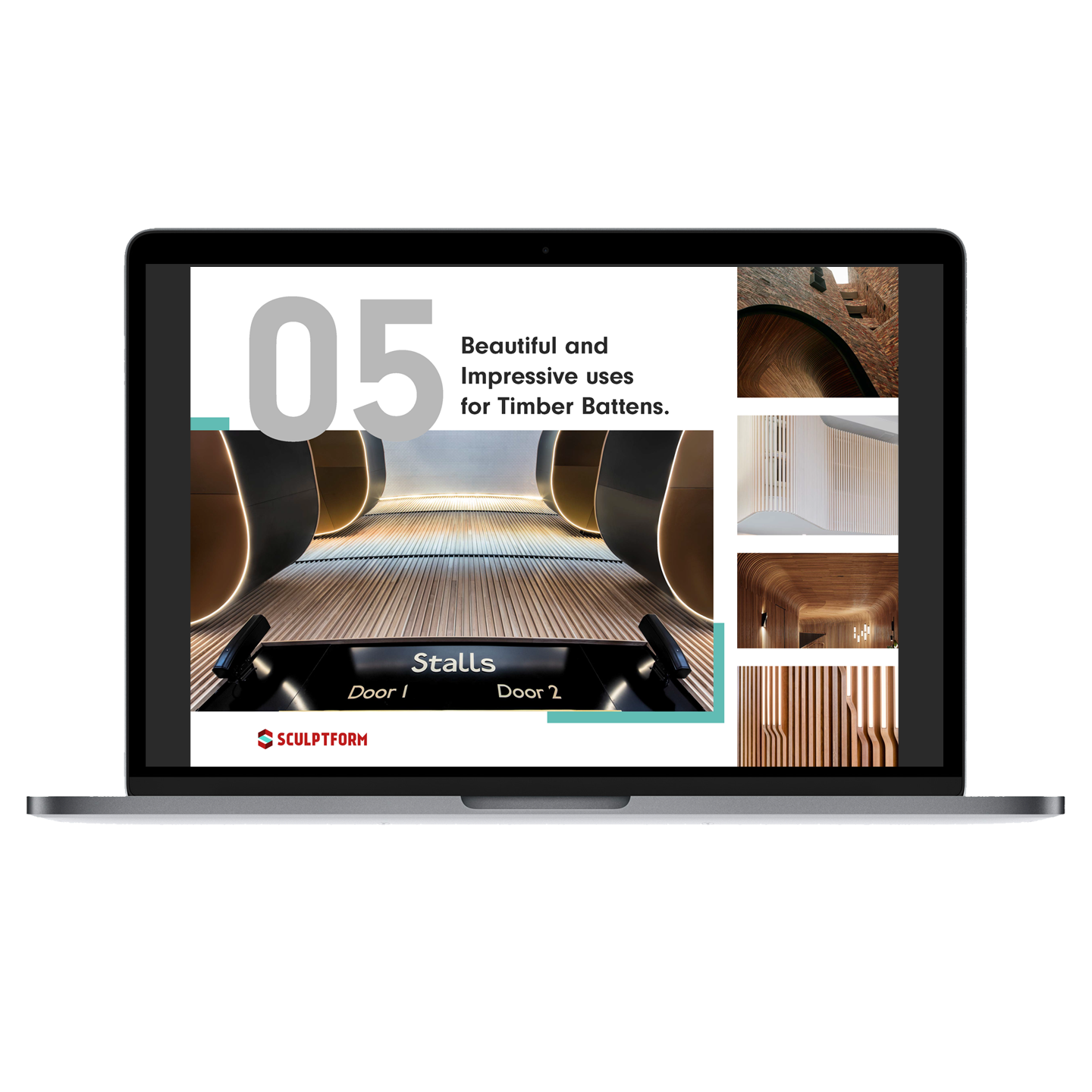
Free Download
5 Incredible projects using Timber Battens – from curves to wayfinding
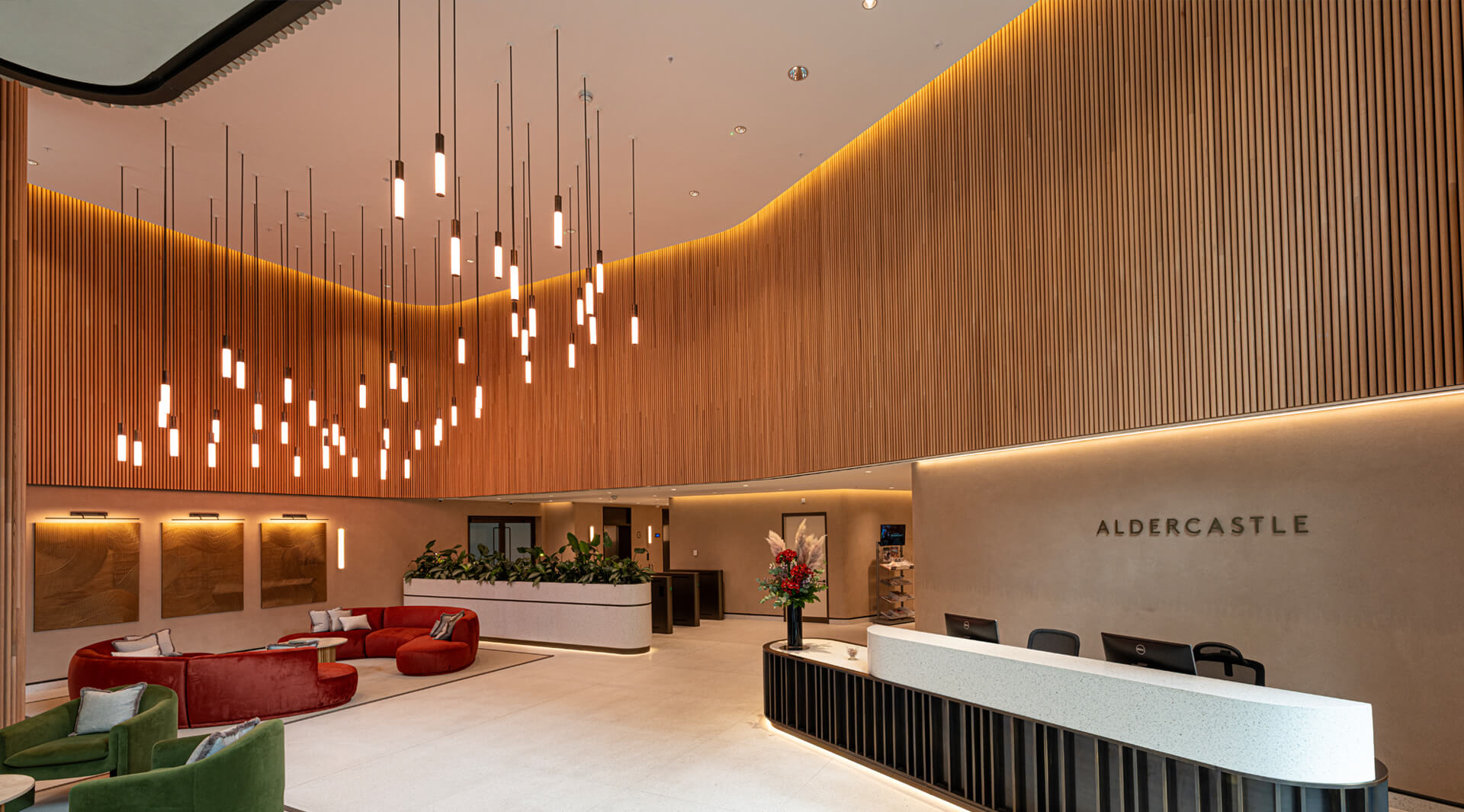
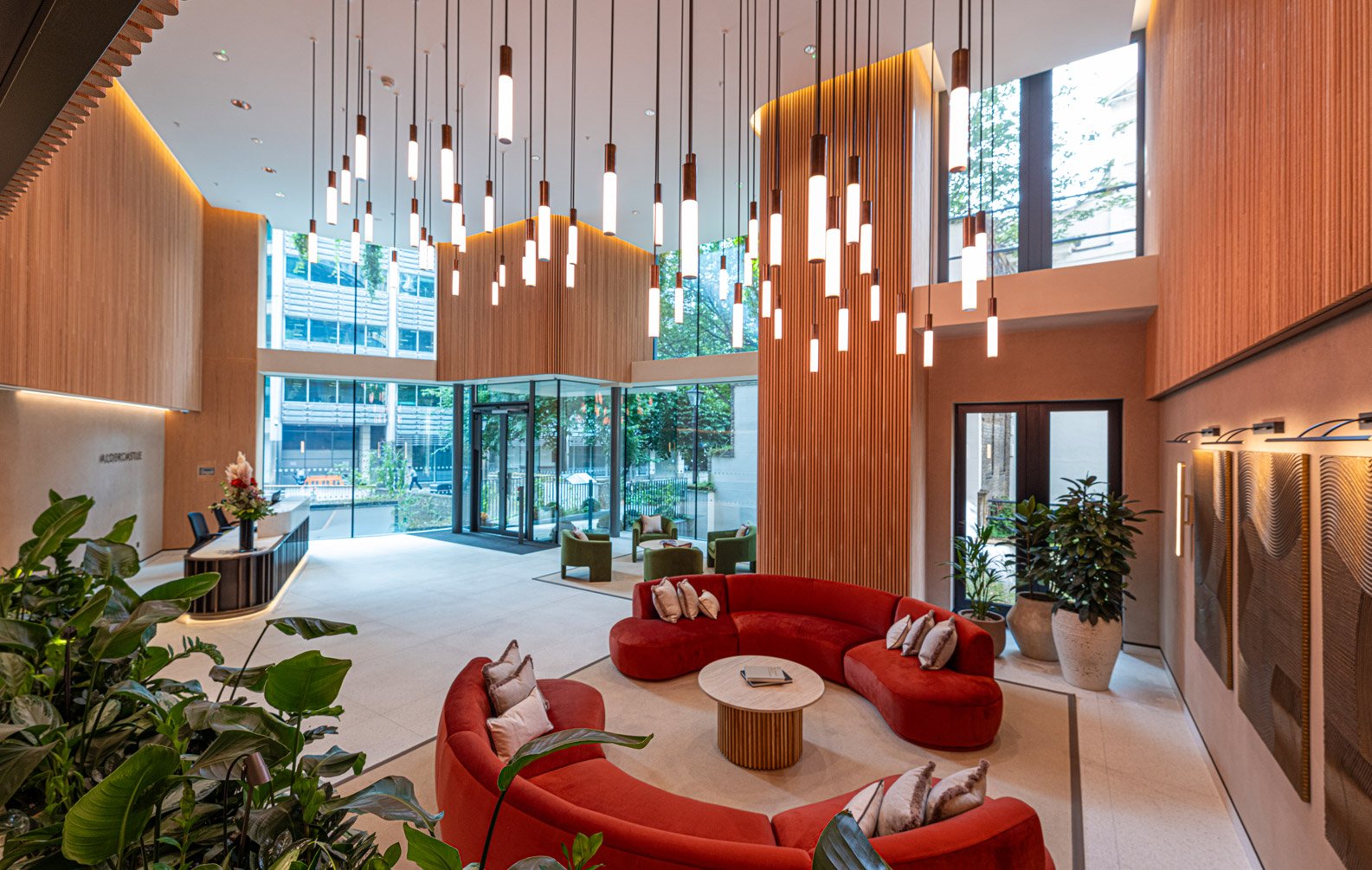
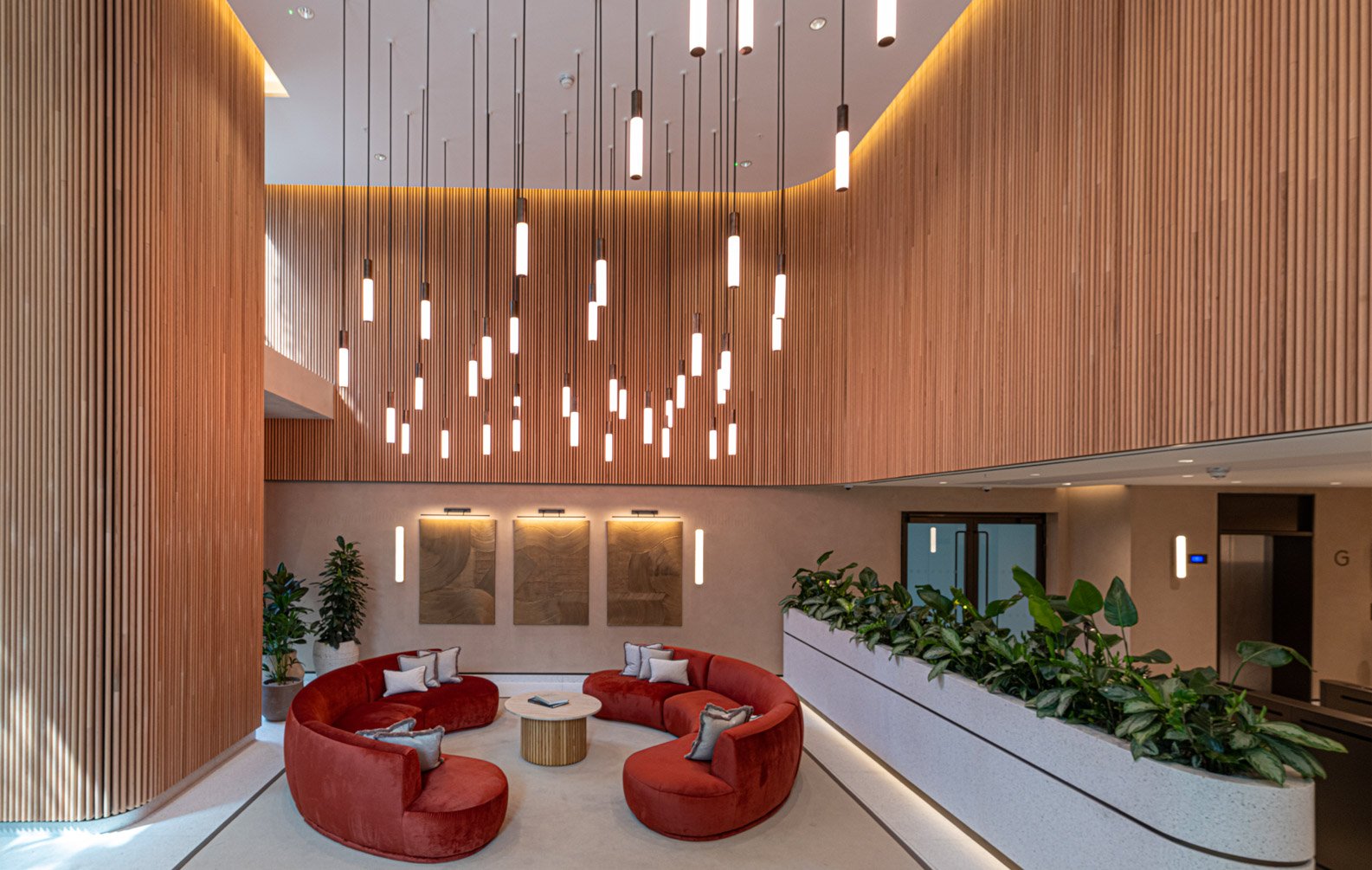
Aldercastle, UK
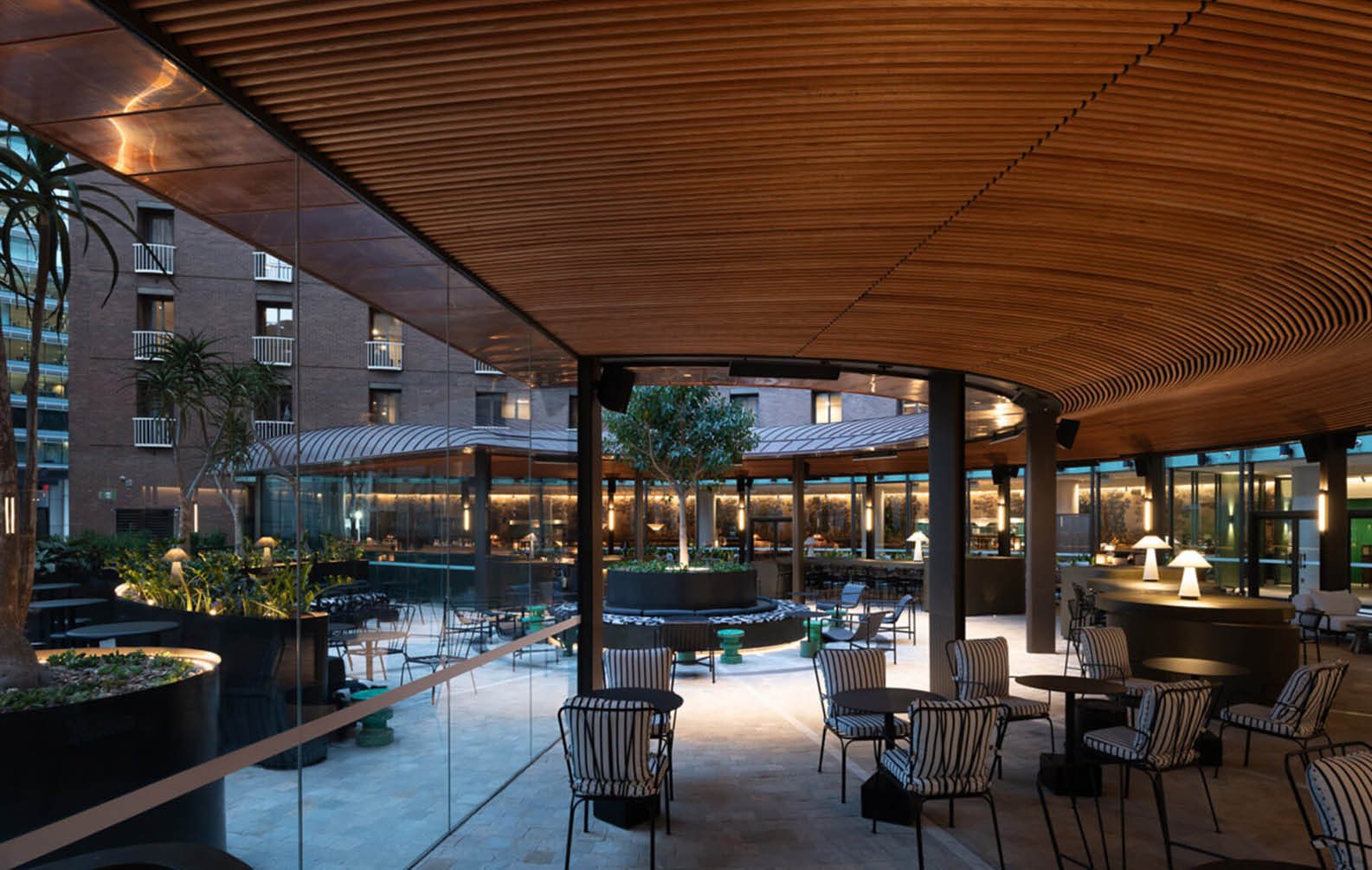
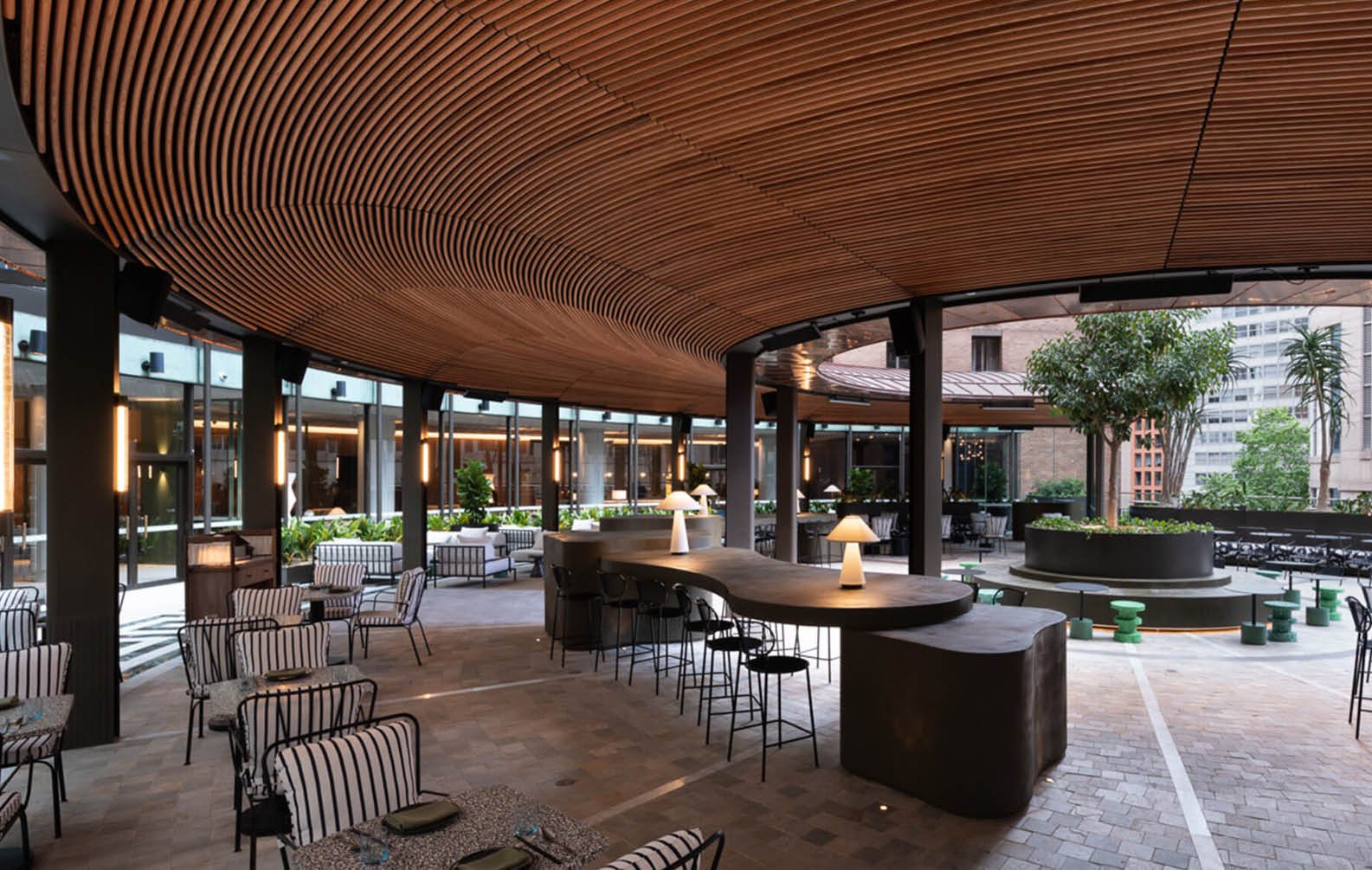
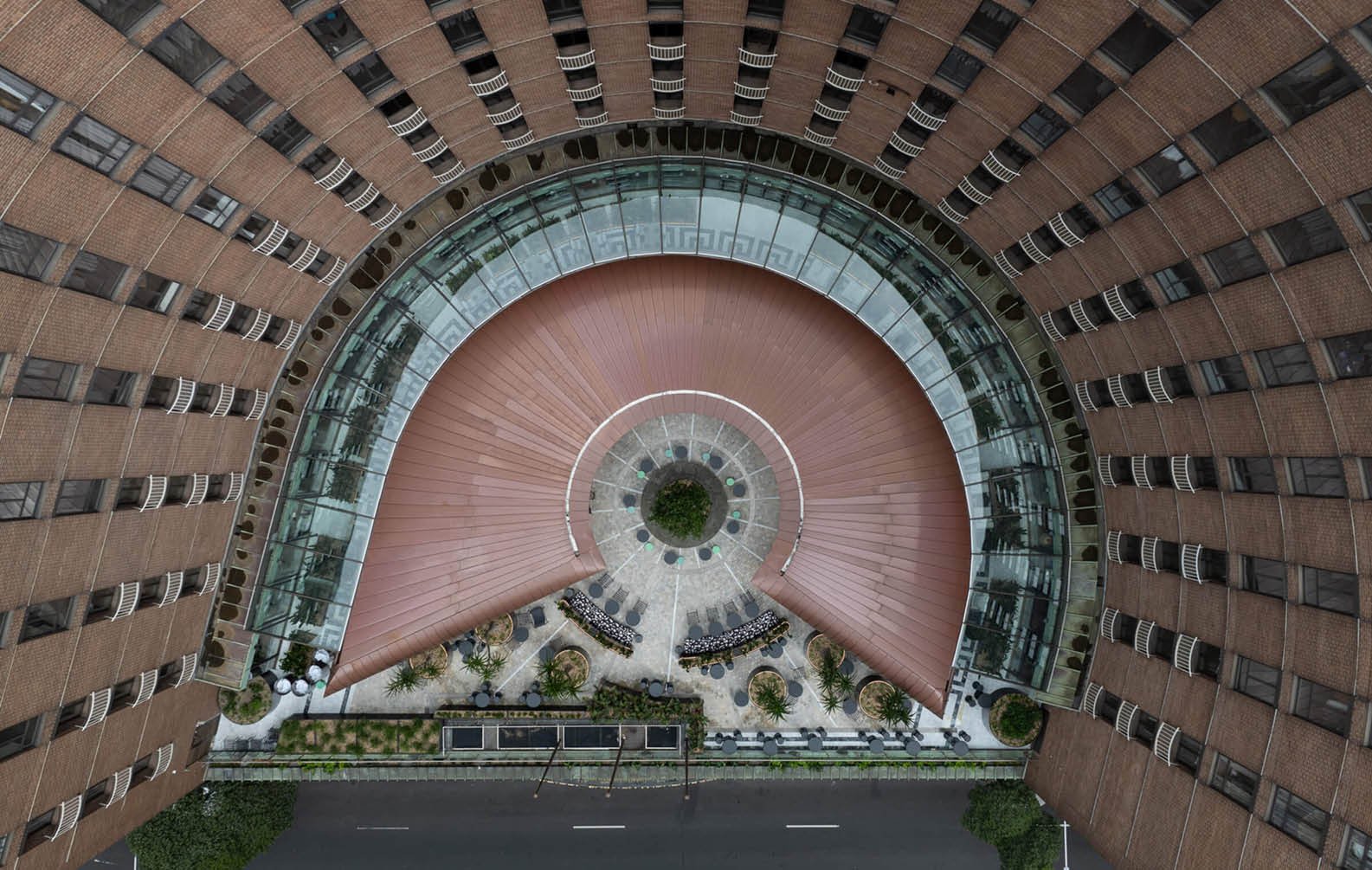
Parametric Curved Timber Rooftop Canopy
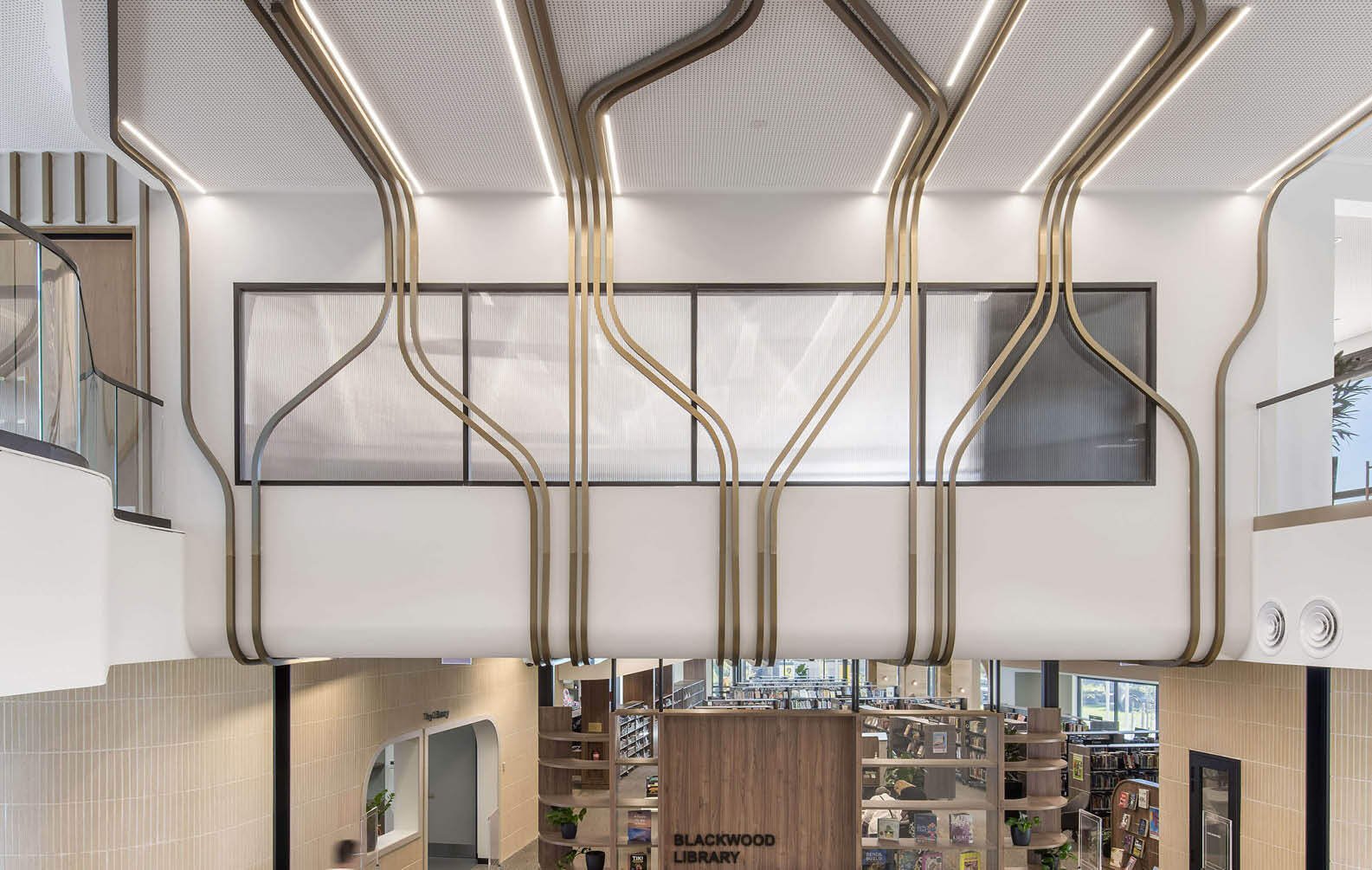
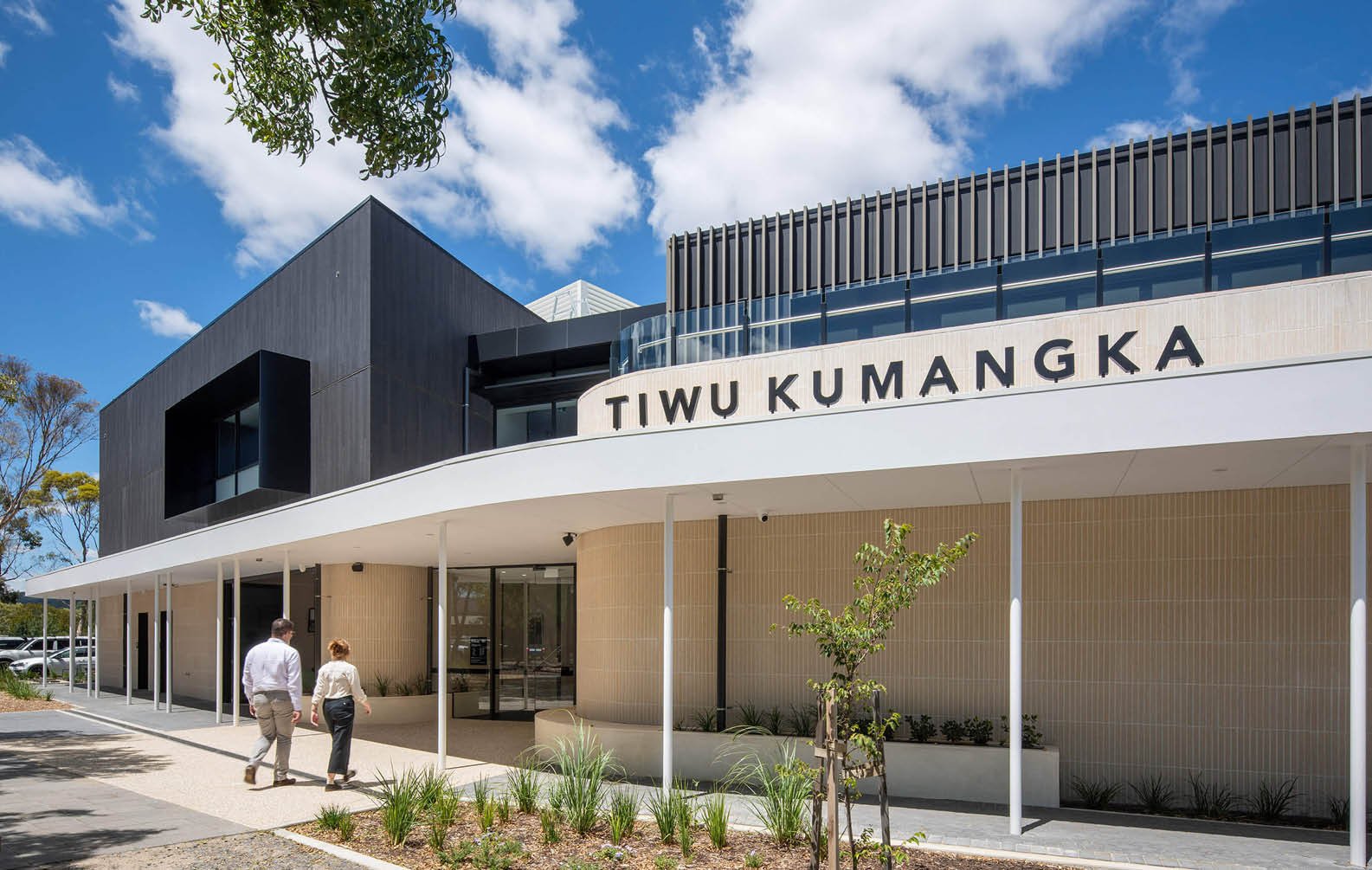
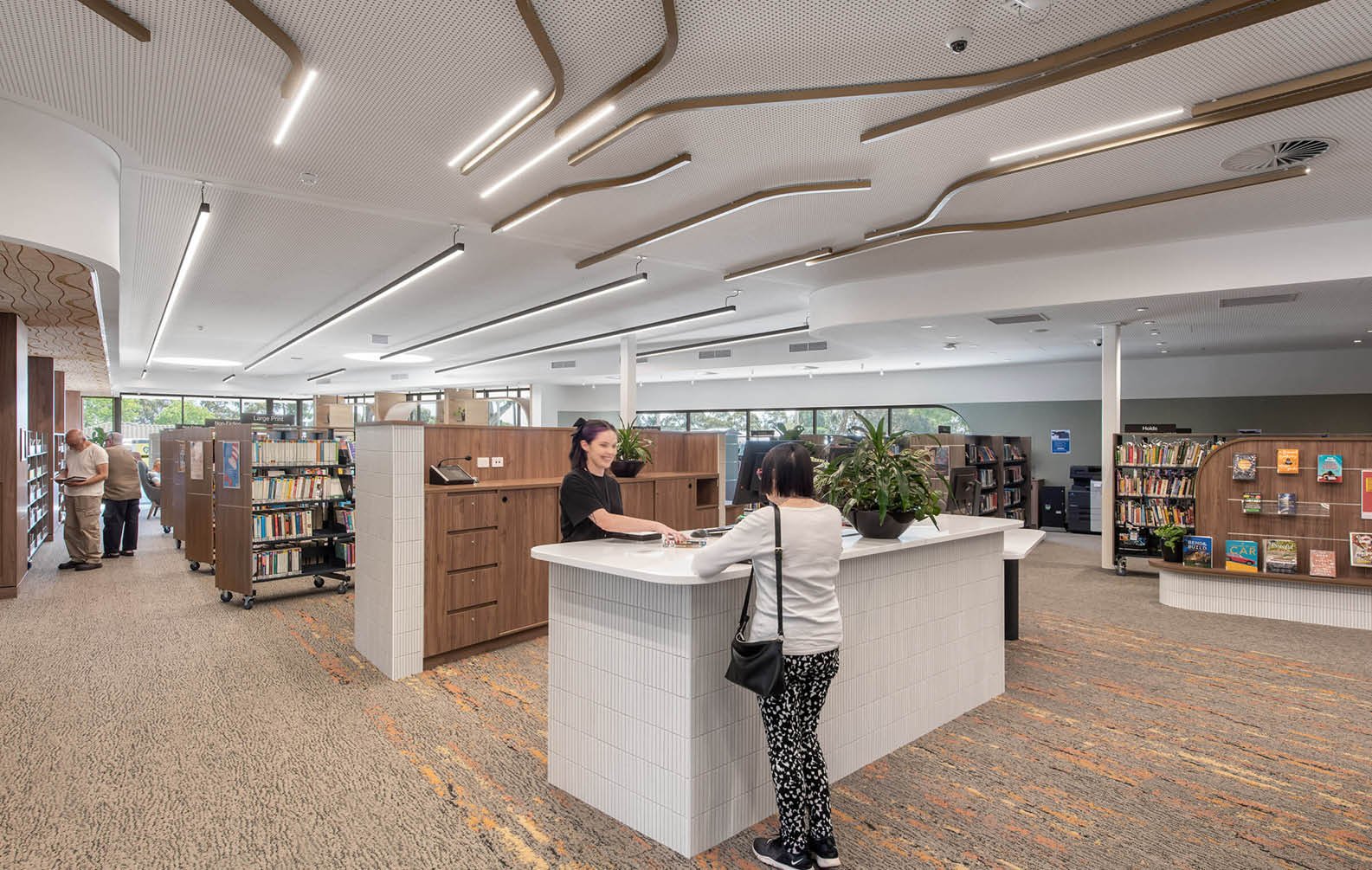
Tiwu Kumangka