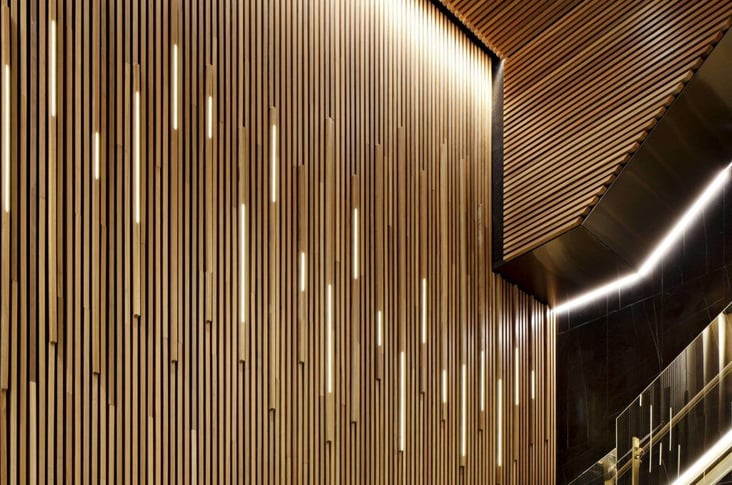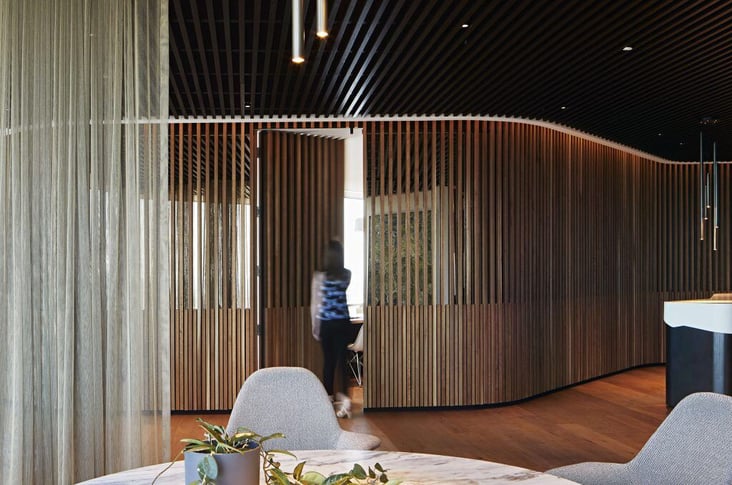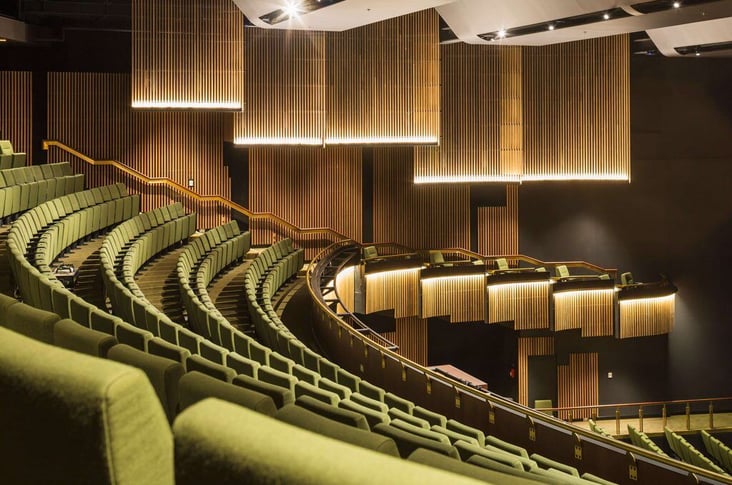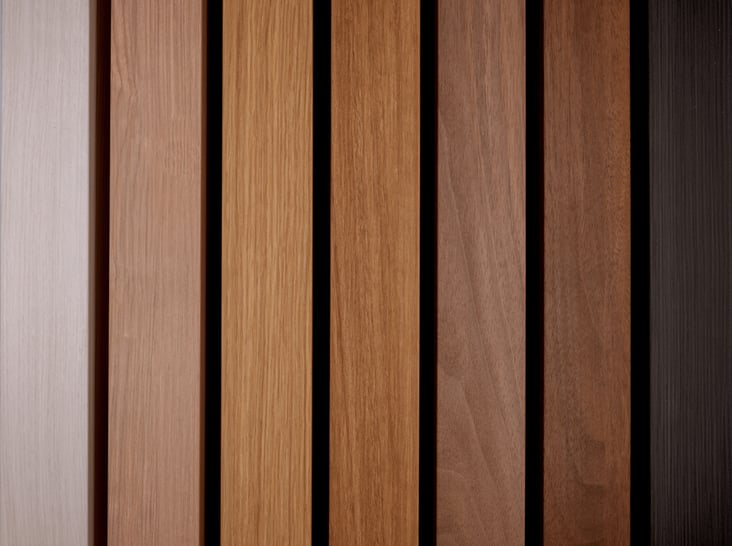
From mixed-material facades to the rise of quiet luxury, high-end residential design in 2026 is defined by intention, material intelligence, and enduring quality. Discover the key trends shaping high-end residential architecture in 2026.
In 2026, luxury residential architecture demands homes that feel resolved, built with material honesty, designed for longevity, and a genuine connection to their environment. Sustainability and personalisation are no longer selling points. They are the starting point.


In 2026, luxury buyers assume passive house principles, low-embodied-carbon materials, and net-zero energy performance as standard. The question is no longer whether a home is sustainable, but how elegantly it achieves it.


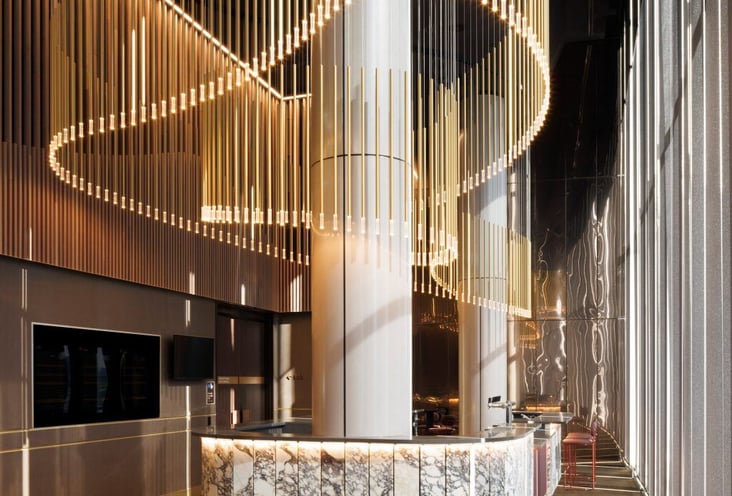
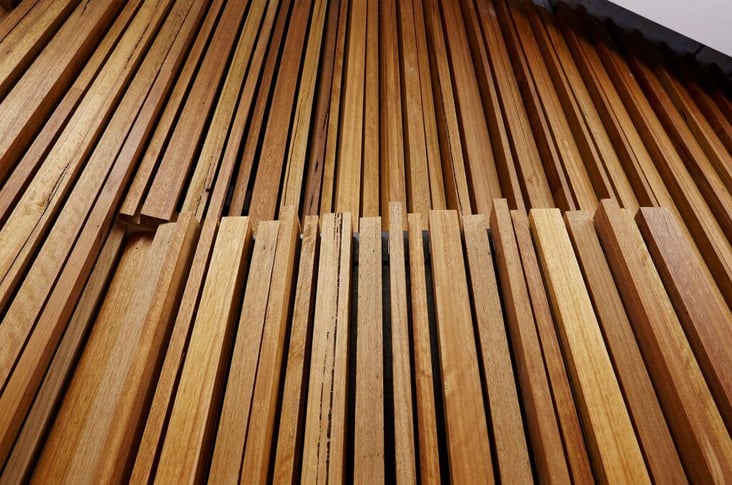
Warm minimalism keeps spaces uncluttered and well-edited, but swaps sterility for tactility, each carrying more weight, chosen for what they feel like as much as how they look.

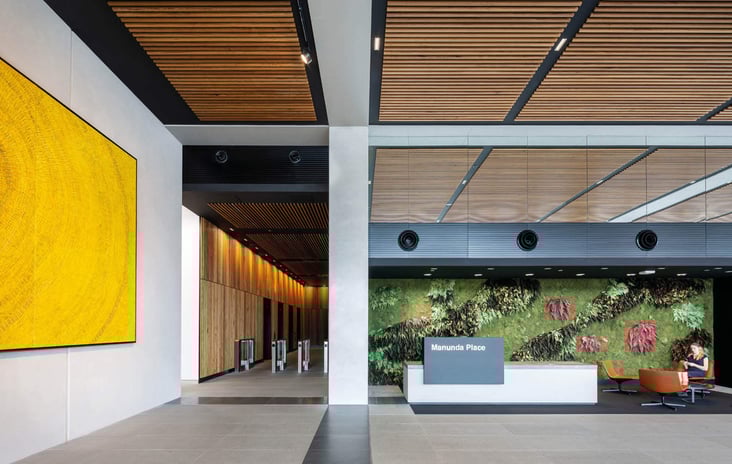
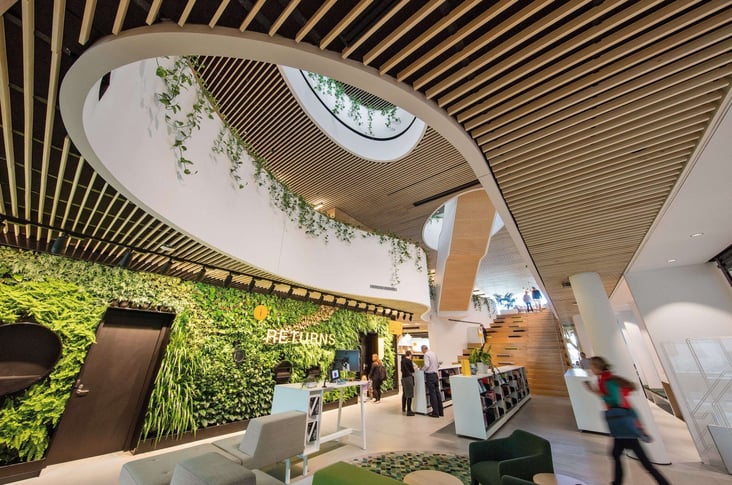
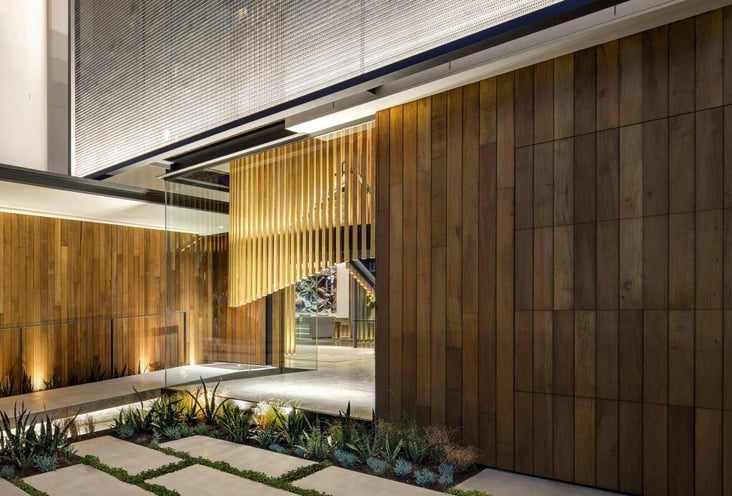
Biophilic design has moved beyond styling into architecture itself. The most compelling luxury homes in 2026 embed the connection to nature through material selection and spatial sequencing, not as an afterthought, but as a foundational design decision.

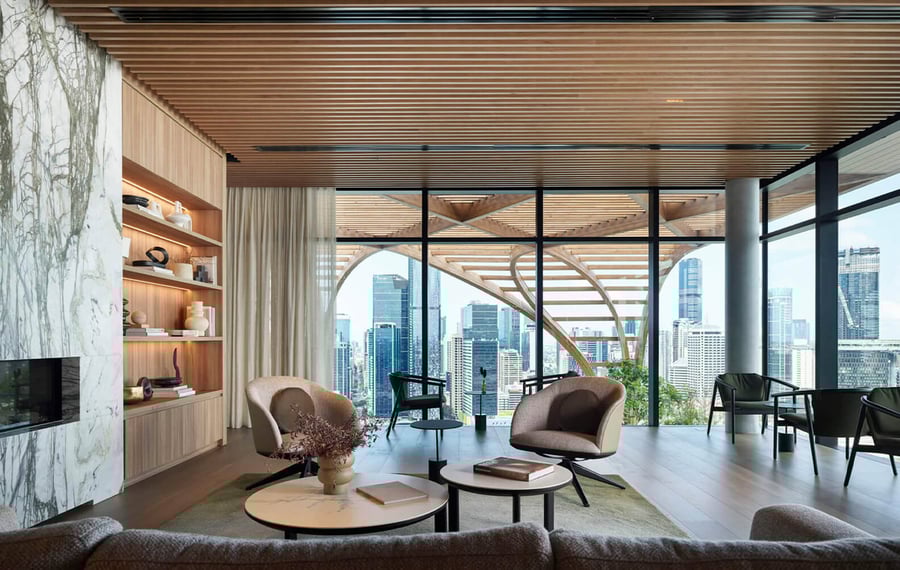
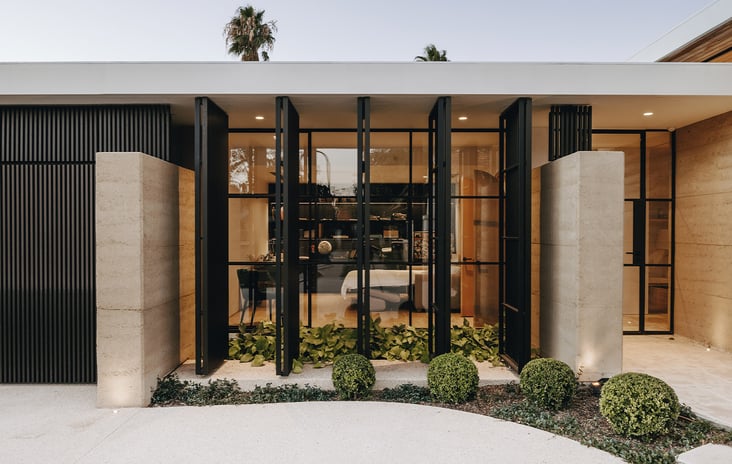
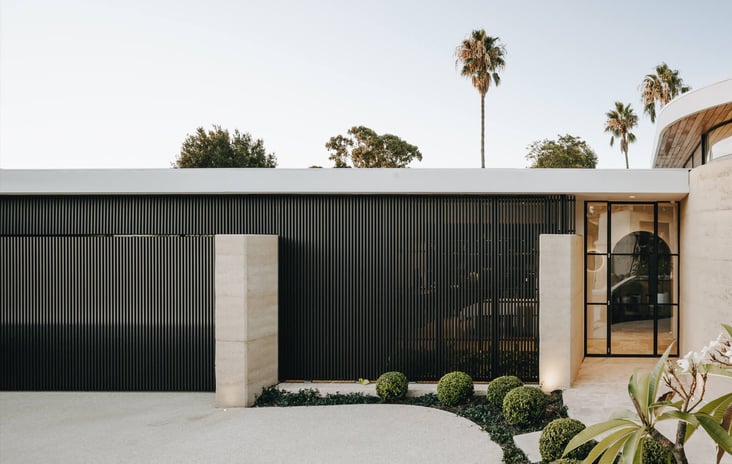
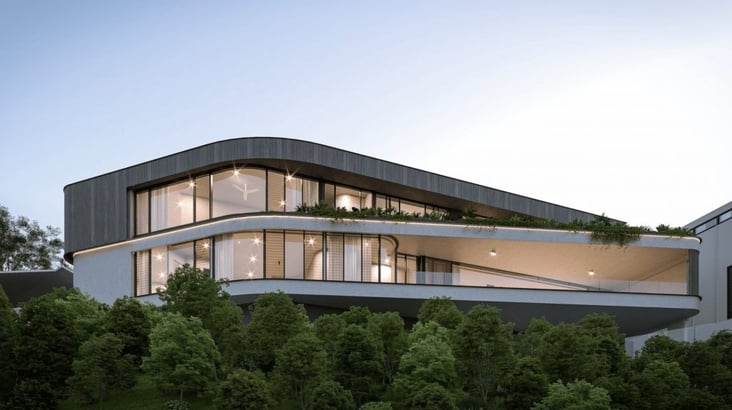
Single-material facades are giving way to curated, layered envelopes that combine materials for depth and rhythm. In 2026, the most considered luxury homes treat the facade as a composition with a hierarchy of materials, each playing a specific role rather than competing for attention.

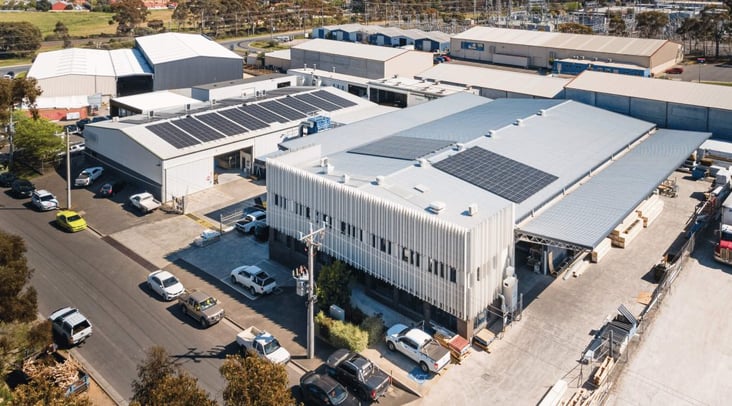
Pool houses, pavilions, and detached garages are now held to the same design standards as the main residence. When outdoor structures use the same cladding profile, batten rhythm, and material palette as the home, the entire property reads as one composed piece of architecture.


The clearest signal in 2026 luxury residential design is this: quality has overtaken spectacle. Clients are specifying homes built for design longevity, materials that age with dignity, spaces that work as hard as they look, and facades that perform as well as they photograph.
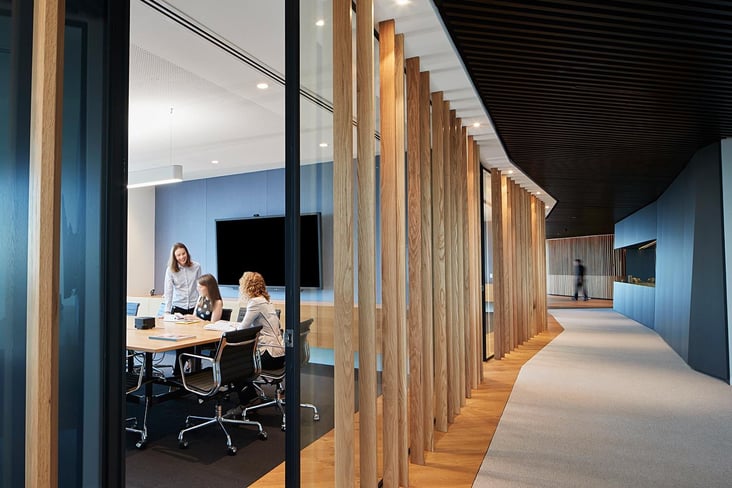
For architects and designers, this is a more demanding brief than it might appear. It requires intentional material selection at every decision point, understanding not just how a surface looks, but how it performs, how it ages, and how it reads in context. This requires a modular system that integrates in a high-performance building envelope.

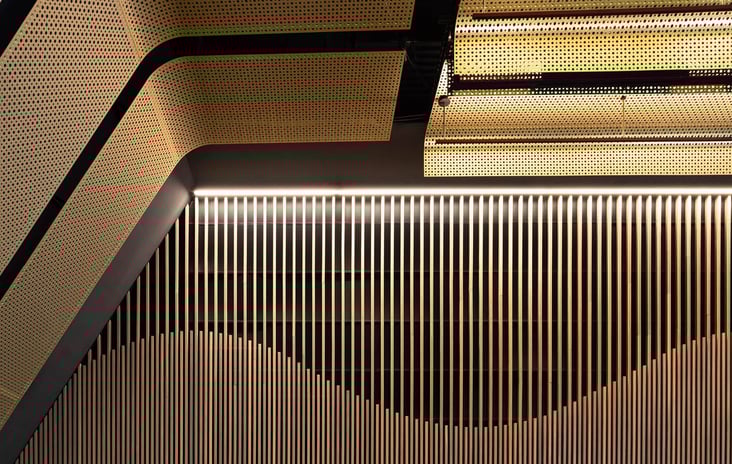
Sculptform's product range is built around the material demands of 2026 luxury residential design. Whether you are specifying a mixed-material facade, a biophilic interior feature wall, or a pool house that mirrors the main residence, the tools are here.