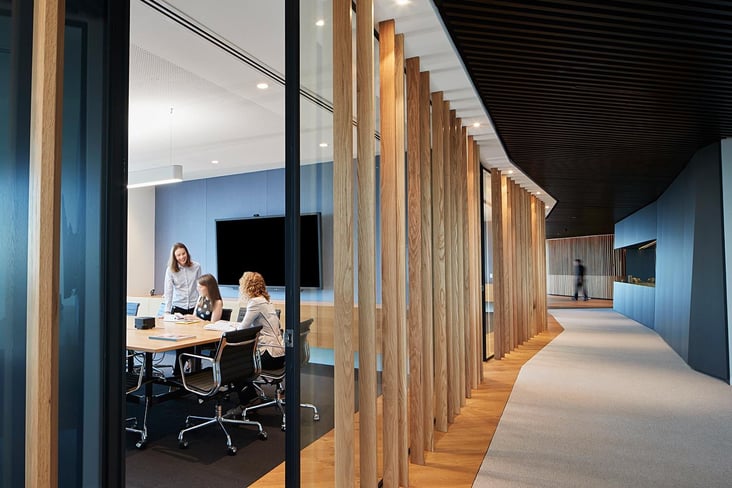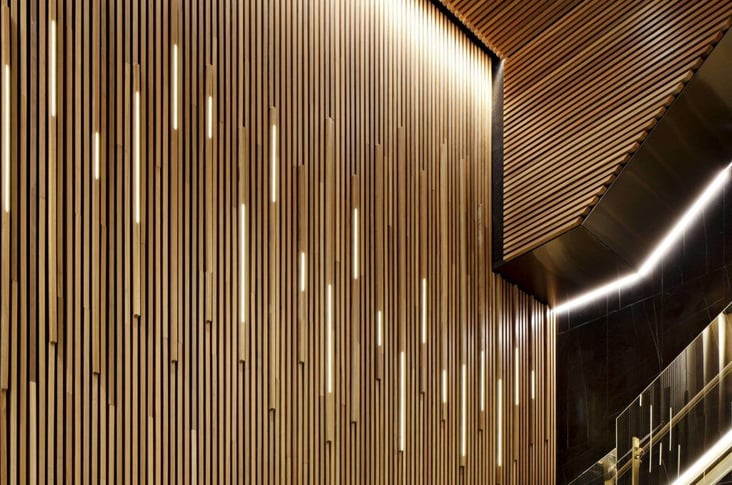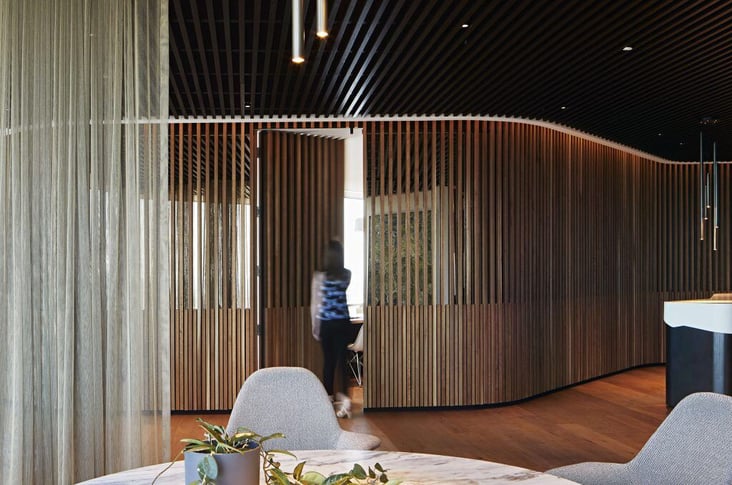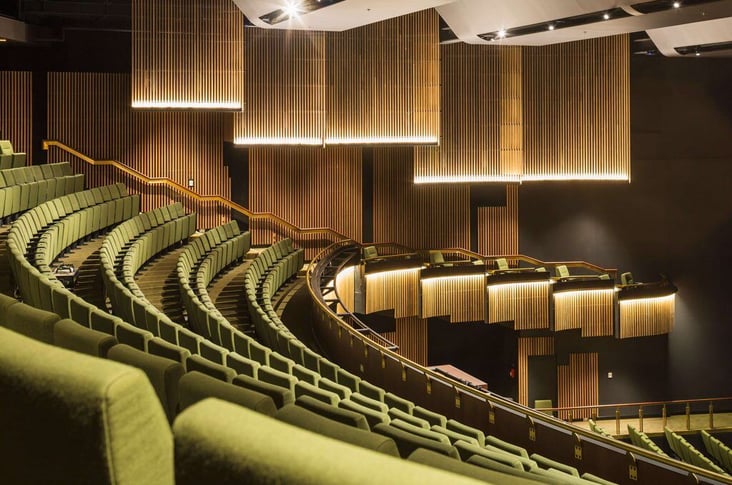
Workplace fitouts are one of the highest-turnover sectors in construction. Businesses move, refresh, or reconfigure their offices regularly. With every change comes a wave of new partitions, flooring, cabinetry, and fixtures.
But what happens to all those materials when a fitout reaches the end of its life? Too often, they end up in landfill. This is why material selection plays such a critical role in reducing the embodied carbon, waste, and costs associated with workplace fitouts.
In this guide, we explore the pros and cons of the most common materials, aluminium, timber, MDF, MGO, and go into depth of modular systems, and how designing for disassembly can shape a more sustainable future.
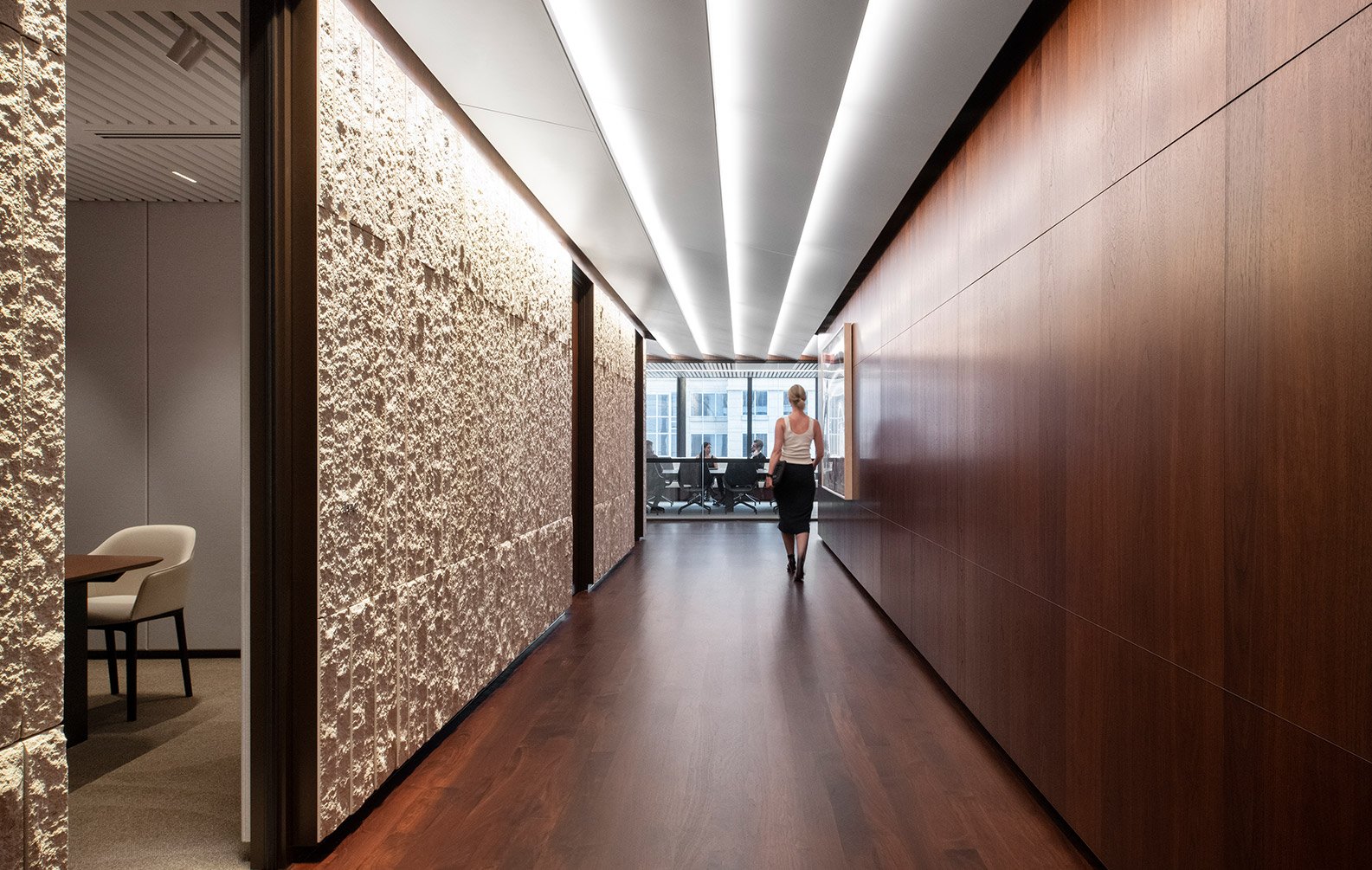 The Role of Materials in Workplace Fitouts
 Every material carries its own footprint. Some, like aluminium, can be recycled indefinitely. Others, like MDF, may be cost-effective upfront but create health and sustainability challenges later. Beyond price, it is essential to weigh several factors. These include embodied carbon, durability, end-of-life options, and cost.
Embodies carbon refers to the greenhouse gas emissions tied to extraction, production, and disposal
Durability measures how long the material can last in a high-turnover workplace
End-of-life options indicate whether it can be reused, recycled, or only discarded
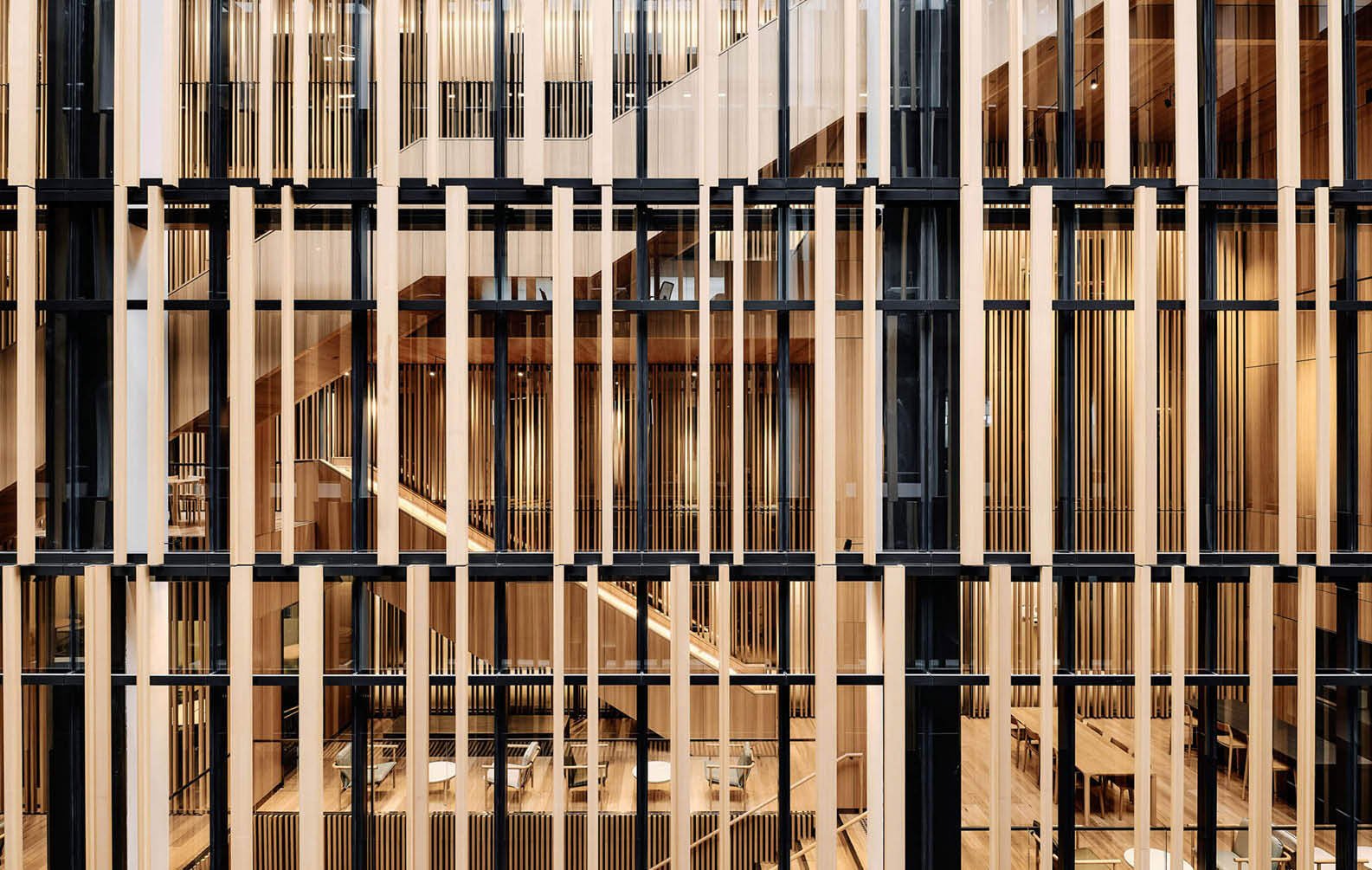 Aluminium in Interiors
 Pros:
Highly durable – long-lasting with minimal wear and tear.
100% recyclable – aluminium retains its quality even after multiple recycling loops.
Fire-rated and easy to work with onsite.
Lightweight yet strong – ideal for modular systems and movable partitions.
Efficient coverage – lower embodied carbon when weight per sqm is considered with further low carbon options becoming more available into the future.
Cons:
High embodied energy per kg.
Higher upfront cost than MDF or some timber options.
Perception gap – not always understood as a sustainable option, despite its recyclability.
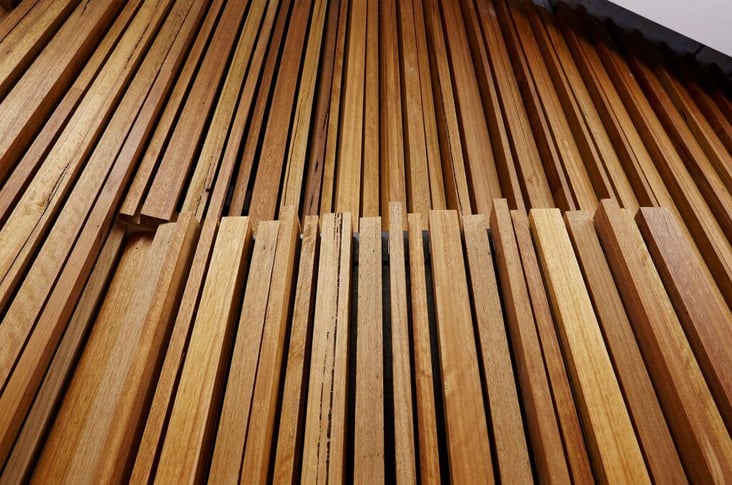
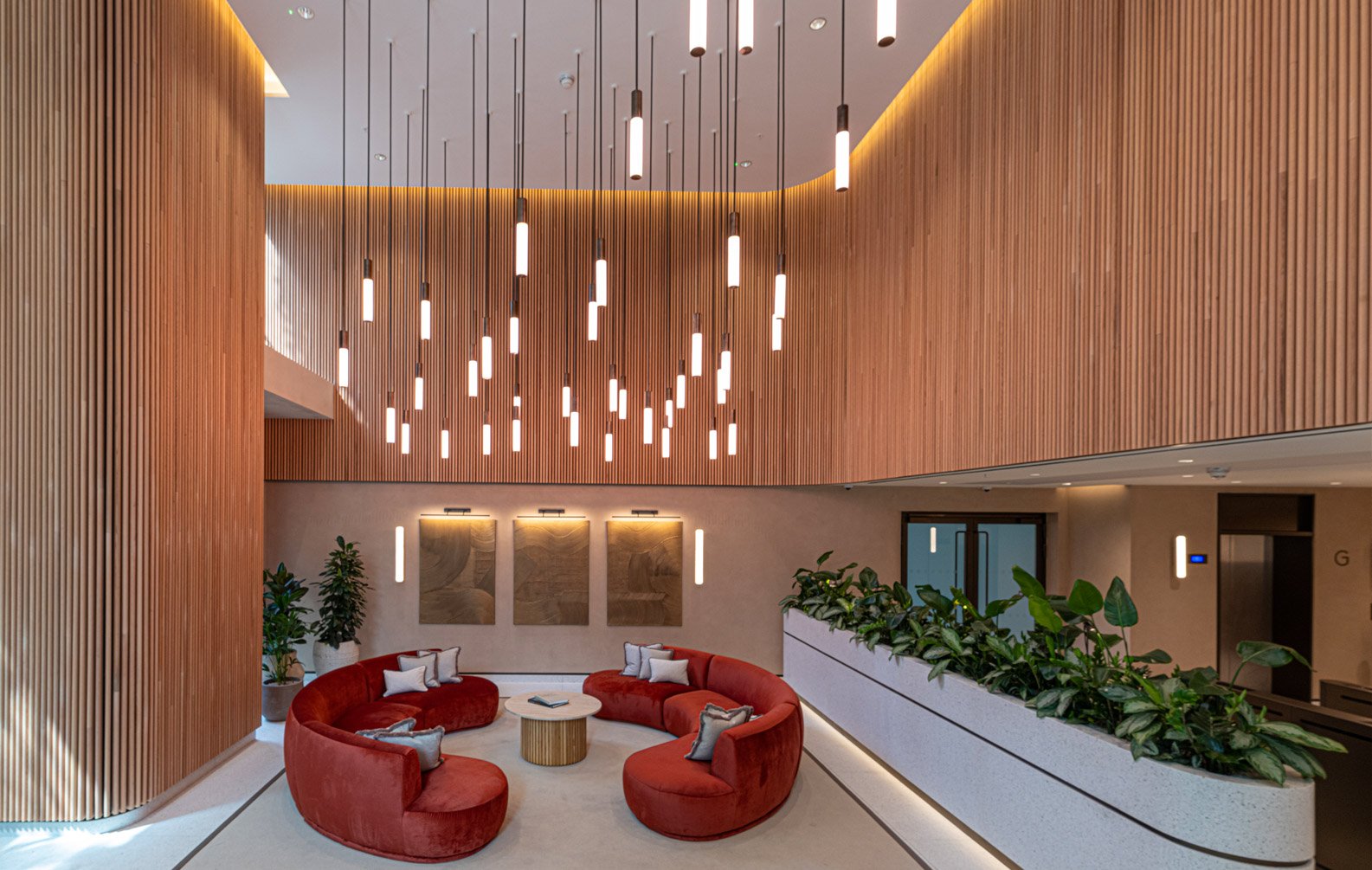 Timber in Interiors
 Pros:
Renewable material – especially when sourced from certified, responsibly managed forests.
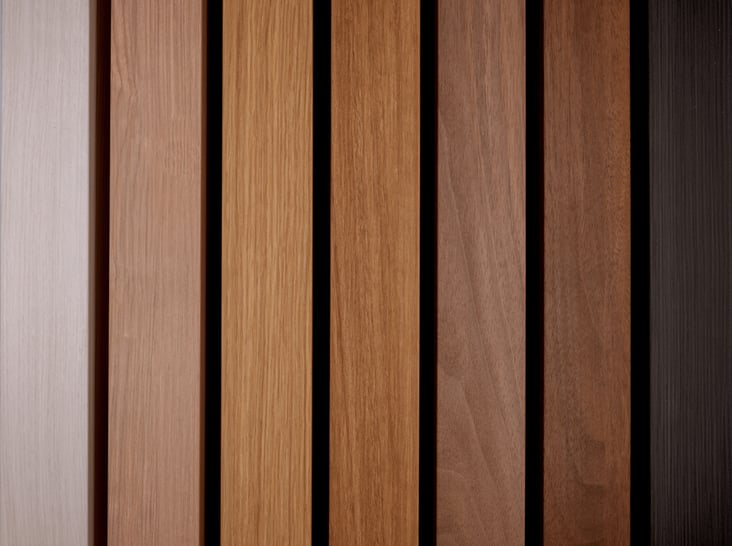
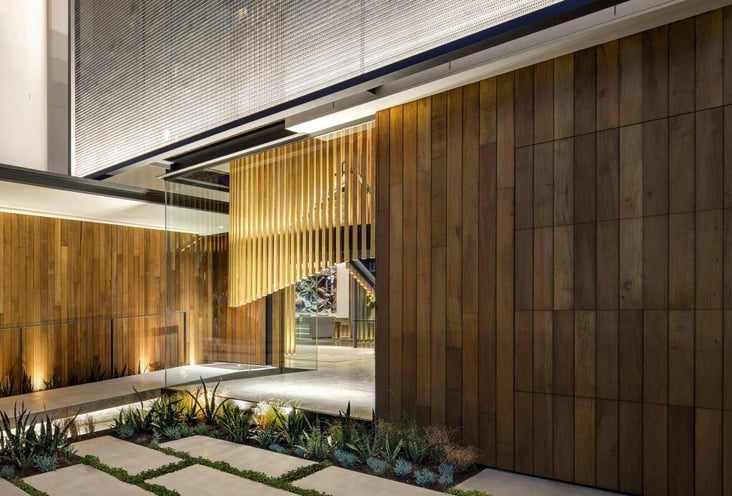
Warm aesthetic – creates natural, biophilic spaces in workplaces.
Monolithic material – scratches and marks can be refinished; the same quality inside and out.
Easily repurposed – can be reshaped, refinished, and reused at end of life.
Minimal maintenance for interiors; can naturally move and change over time.
Made-to-order timber – reduces offcut waste by cutting to exact lengths.
Cons:
Fire risk – timber is combustible and may require additional fire treatment or compliance with fire regulations.
Some wastage can occur from set lengths and offcuts.
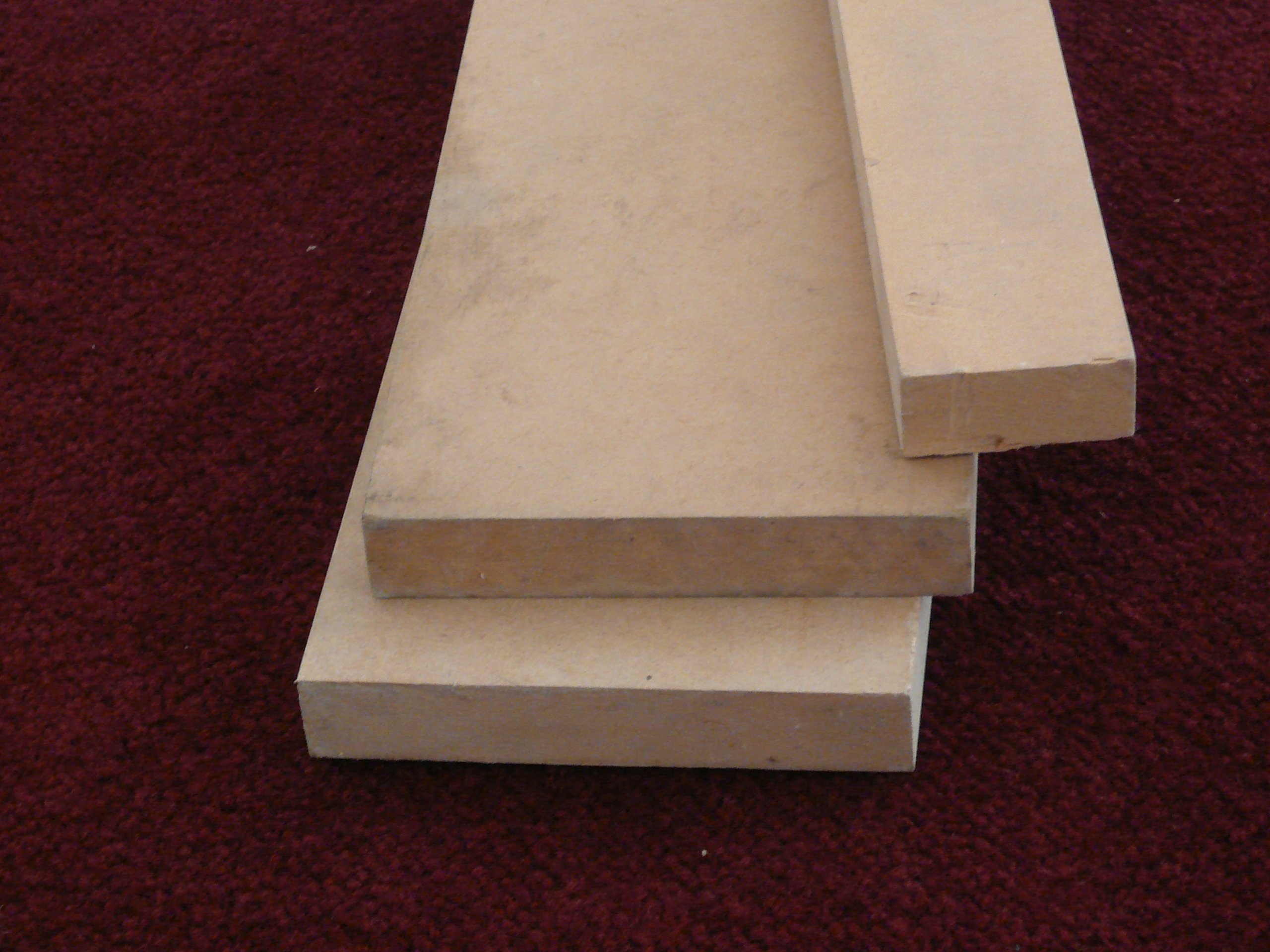 MDF in Interiors
 Pros:
Low cost – budget-friendly compared to other similar alternativesCons:
Manufacturing health risks – MDF production often involves formaldehyde-based resins, which pose health concerns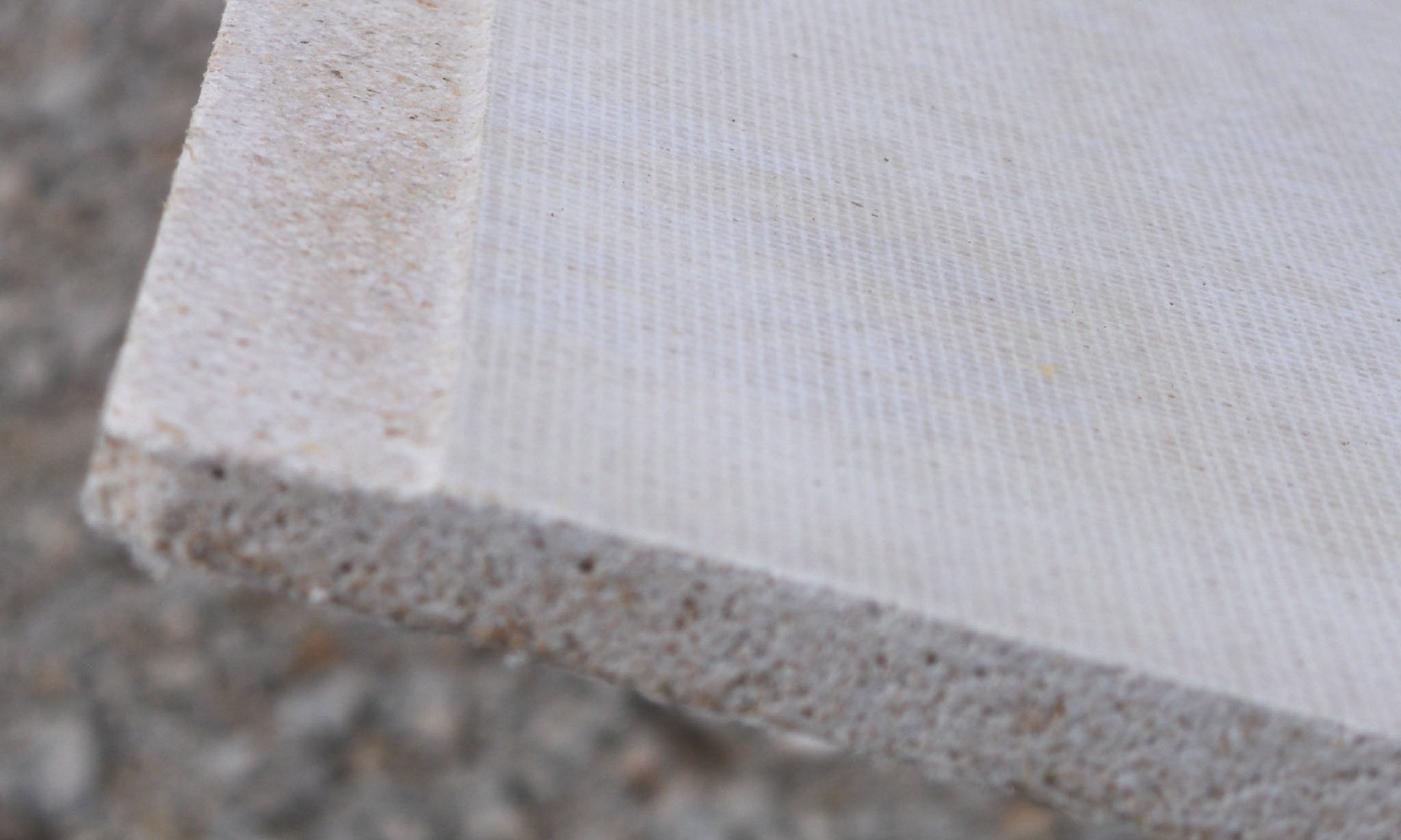 Magnesium Oxide (MGO) Panels
 MGO is a mineral-based board made from natural magnesium oxide, often combined with other non-toxic materials. It’s used as a replacement for traditional plasterboard or MDF in walls, partitions, and ceilings.
MGO is valued for its low embodied carbon, fire resistance, strength, and resistance to moisture and mould. Because it’s mineral-based, it doesn’t burn or off-gas harmful chemicals, making it a healthier, more durable option for interior construction.
Pros:
Low embodied carbon – more sustainable than conventional gypsum or MDFCons:
Higher upfront cost than MDF
 Design for Disassembly & Modular Systems
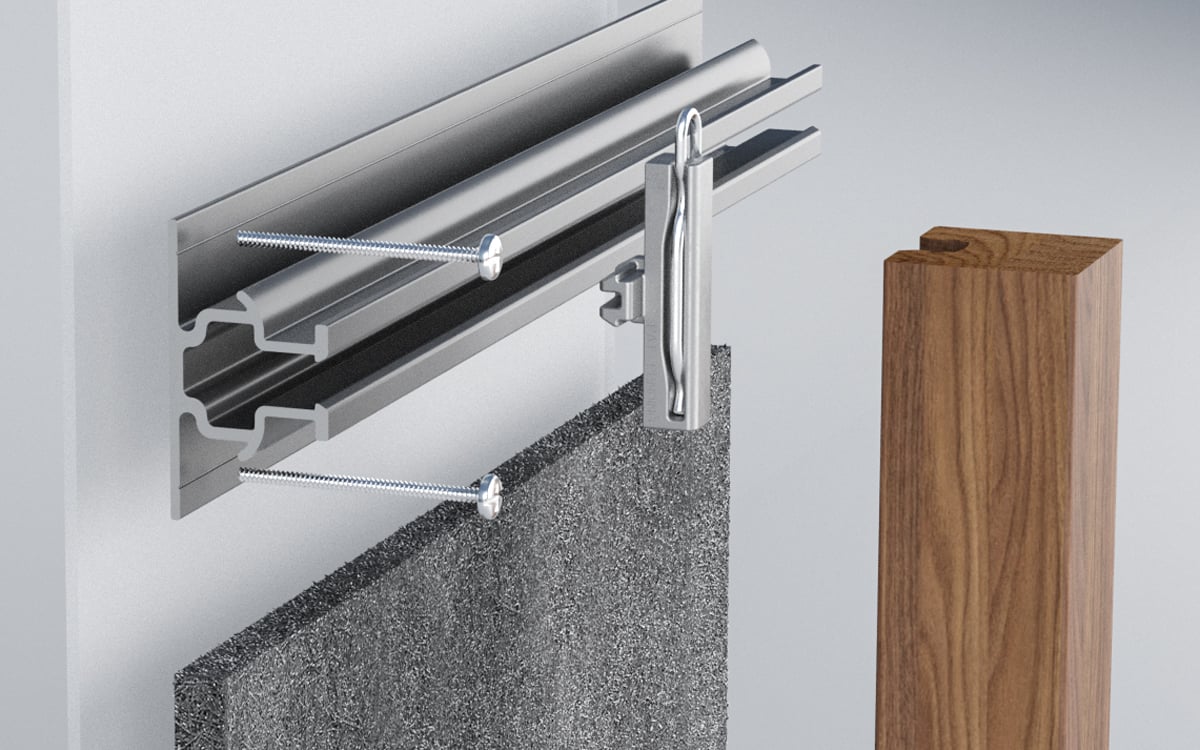
Workplace and commercial interiors don’t have to follow a “use once, throw away” model. Increasingly, companies are turning to systems designed for disassembly.
Clip components make it possible to remove, repair, or replace parts without sending an entire fitout to landfillThis approach not only reduces waste but also lowers costs over time, especially in the high-turnover workplace sector.
|
Material |
Embodied Carbon |
Cost |
Reuse/ |
Notes |
|
Aluminium |
High per kg, efficient per m²; low-carbon options emerging |
Medium–High |
Excellent reuse & recycling potential |
Fire-rated, strong, lightweight, ideal for modular systems |
|
Timber |
Low, renewable if responsibly sourced |
Medium |
Highly reusable and refinish-able |
Monolithic, warm aesthetic, minimal interior maintenance |
|
MDF |
Medium, mostly timber-based |
Low |
Poor – mostly landfill |
Health concerns in production, shorter lifespan |
|
MGO |
Low |
Medium–High |
Reusable & recyclable |
Fire-resistant, durable, low-carbon alternative |
|
Modular/ |
Varies by material |
Higher upfront, lower long-term |
Designed for reuse & repurposing |
Supports circular economy |
No single material is perfect. Aluminium offers durability and recyclability but carries high embodied carbon per kg. Timber is renewable, monolithic, and easily repurposed. MDF is cost-effective but unsustainable long term. MGO offers a low-carbon, fire-resistant alternative.
The most effective strategy blends smart material selection with design for disassembly. Prioritising modular systems and reusable components extends lifespans, reduces waste, and lowers costs, helping interiors meet both environmental and practical goals.

Contact our team to discuss your project or request a sample to see the systems firsthand.