NZ
Welcome! You’ve landed on our NZ website. If this isn’t right you can change regions below or click above any time.

Change to AU or UK, US

Designing for a Responsible Built Environment

Sustainability in Materials, Systems and Manufacturing

At Sculptform, sustainability is embedded in how we design systems, source materials and manufacture. Our goal is to support architects in creating buildings that are durable, adaptable and environmentally responsible. By combining responsibly sourced materials with modular system design, Sculptform delivers architectural solutions built for longevity while supporting evolving building needs over time. 
Sustainability-UK_Square-Header

Our Approach to Sustainability

Sculptform’s sustainability approach is guided by responsible material selection, thoughtful system design and transparent information.

By developing standardised systems that preserve the look and feel of custom design, we simplify specification and installation, reduce material waste, and deliver more predictable, efficient outcomes. 

Our approach is guided by three key principles:

  • Responsible Materials

  • Designed for Disassembly and Reassembly

  • Efficient Manufacturing 

Responsible Materials

Material selection plays a critical role in the environmental performance and longevity of architectural systems. Sculptform prioritises materials that offer durability, responsible sourcing and the ability to remain within recyclable or renewable material streams.

Timber

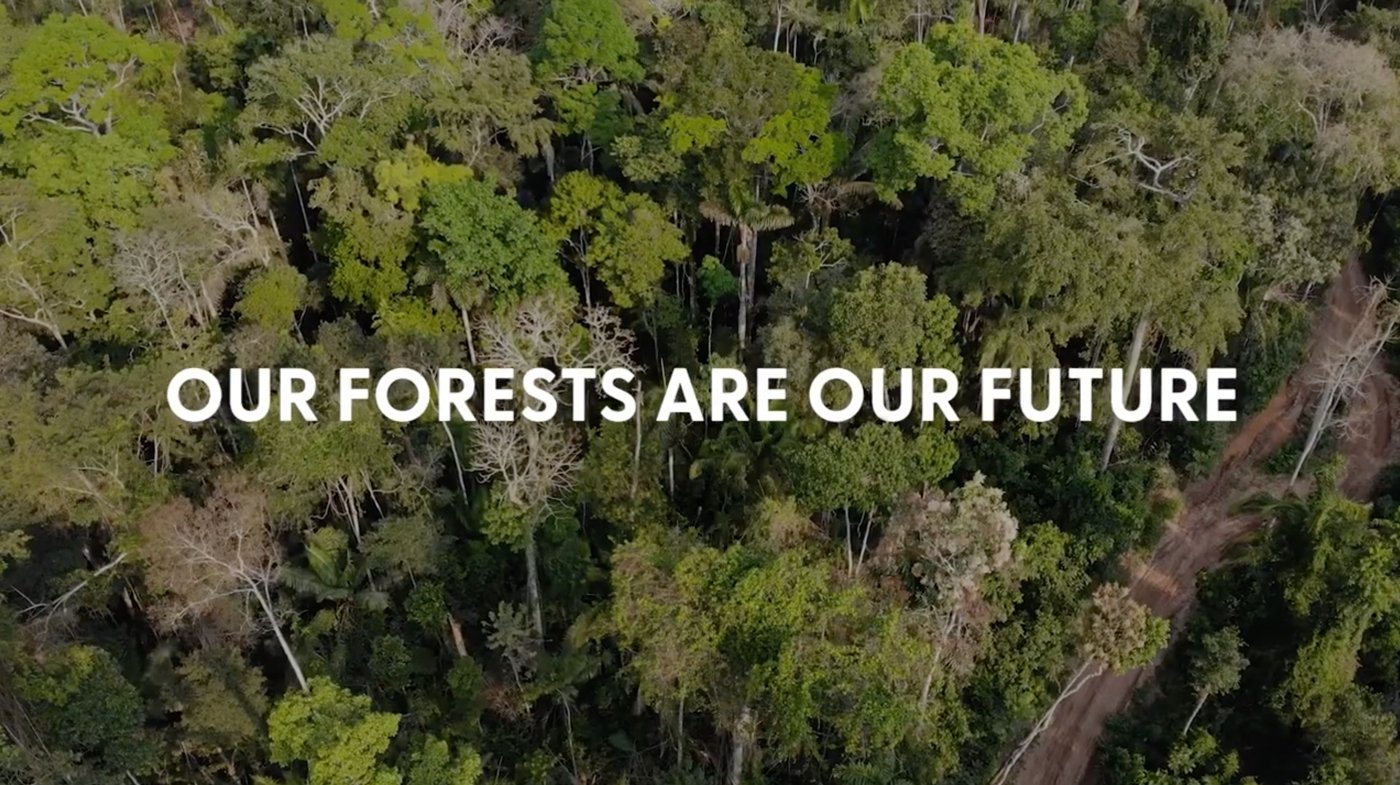
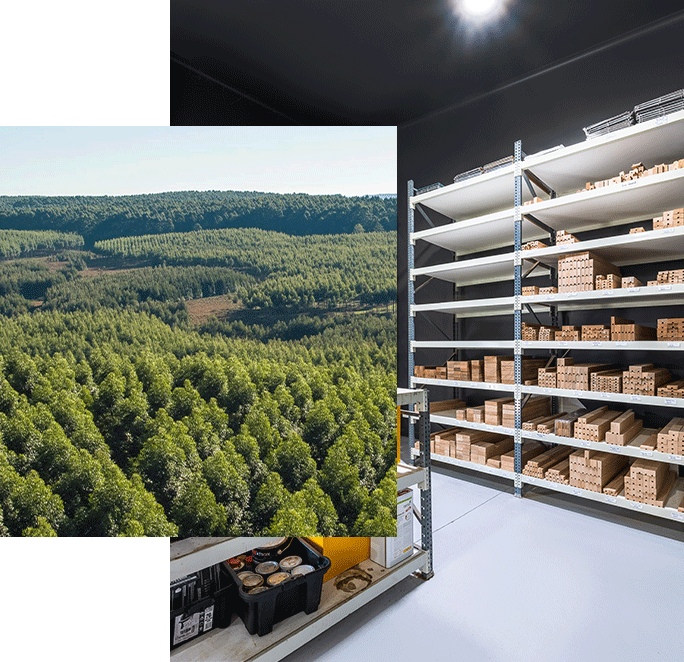
Timber is one of the most renewable resources on the planet and has the unique ability to store carbon absorbed during a tree’s lifetime, keeping it locked in the material until the end of its life. Even after harvesting, the carbon remains in the wood, only being released if the timber is burned or left to decay.

When sourced from responsibly managed forests, timber not only stores carbon but also supports sustainable forestry practices that maintain biodiversity and ecosystem health.

Sculptform offers timber certified under FSC and PEFC systems, ensuring full traceability from forest to finished product.
 

Timber Certifications

Download FSC Certificate
Download PEFC Certificate
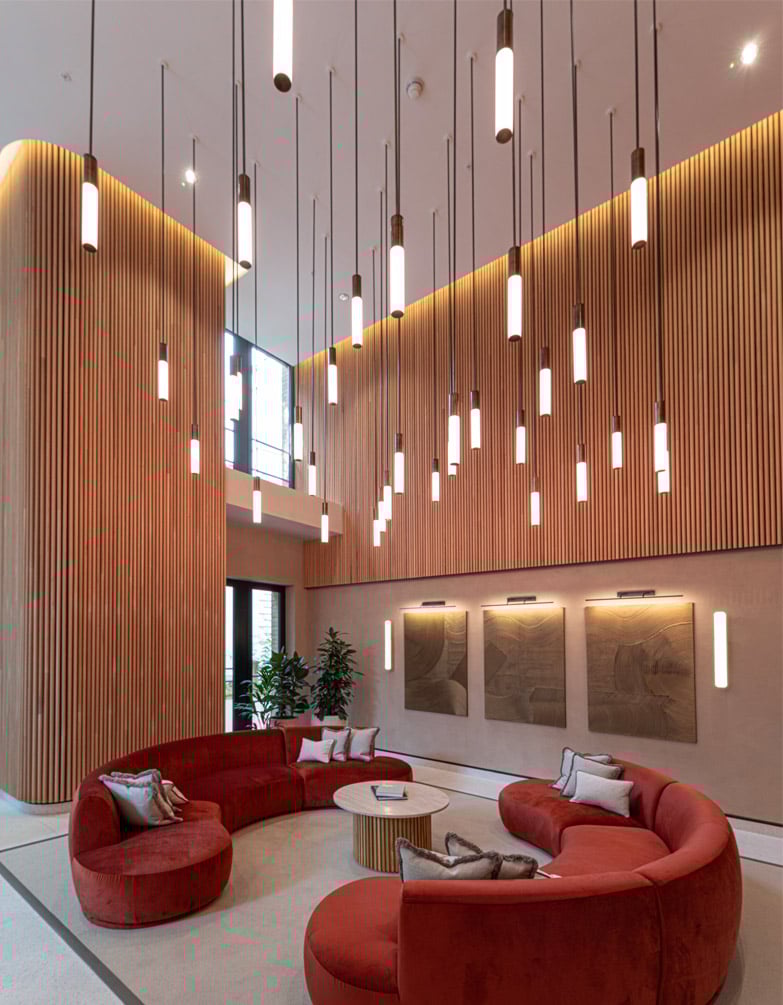
Sculptform Timber Click-on Feature Walls Aldercastle
FSC_image

Aluminium 

Aluminium doesn’t always have the best reputation for sustainability, producing it from raw alumina is energy intensive. However, once produced, aluminium can be recycled repeatedly using only a fraction of that energy, retaining its structural and aesthetic qualities. This allows components to remain in circulation and reduces the need for new raw material extraction.

Final Product Weight Efficiency is Key
Comparing materials by weight in kilograms alone can be misleading, as different materials require different quantities for the same coverage. For example, extruded ceramics have 1-1.4kg of carbon (per kg of material) and it weighs about 35kg per m2  resulting in roughly 42kg of carbon per m2. Whereas low-carbon aluminium has 3kg of carbon (per kg material) with only 6.5kgs per m2 of weight making it about 19.5kg of carbon per m2. This shows how aluminium’s lightweight, recyclable nature can significantly reduce system-level carbon while delivering durable, high-quality finishes. 

Environmental Transparency

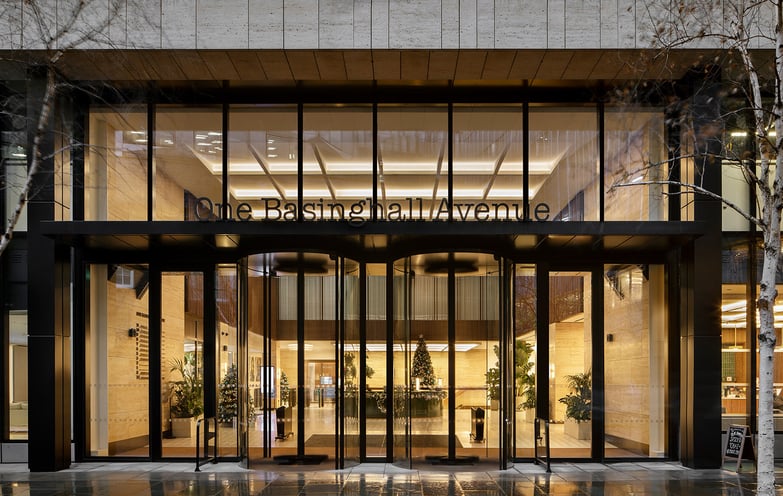
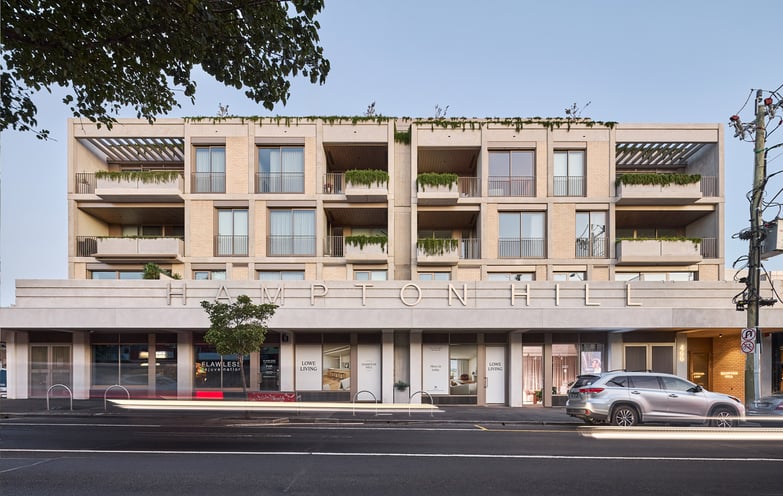
Sculptform systems have been specified on projects that have achieved leading green building certifications, including GreenStar, LEED, WELL and BREEAM. Sculptform products can support sustainability outcomes through responsible material selection, adaptable system design and transparent environmental documentation.
Sustainability_Logos

Building health is also a key part of sustainability, all materials and coatings undergo VOC testing, ensuring spaces are safe, healthy, and comfortable for occupants.

Declare labels provide verified information on product ingredients, supporting the assessment of material health, environmental impacts, and alignment with green building certification requirements.
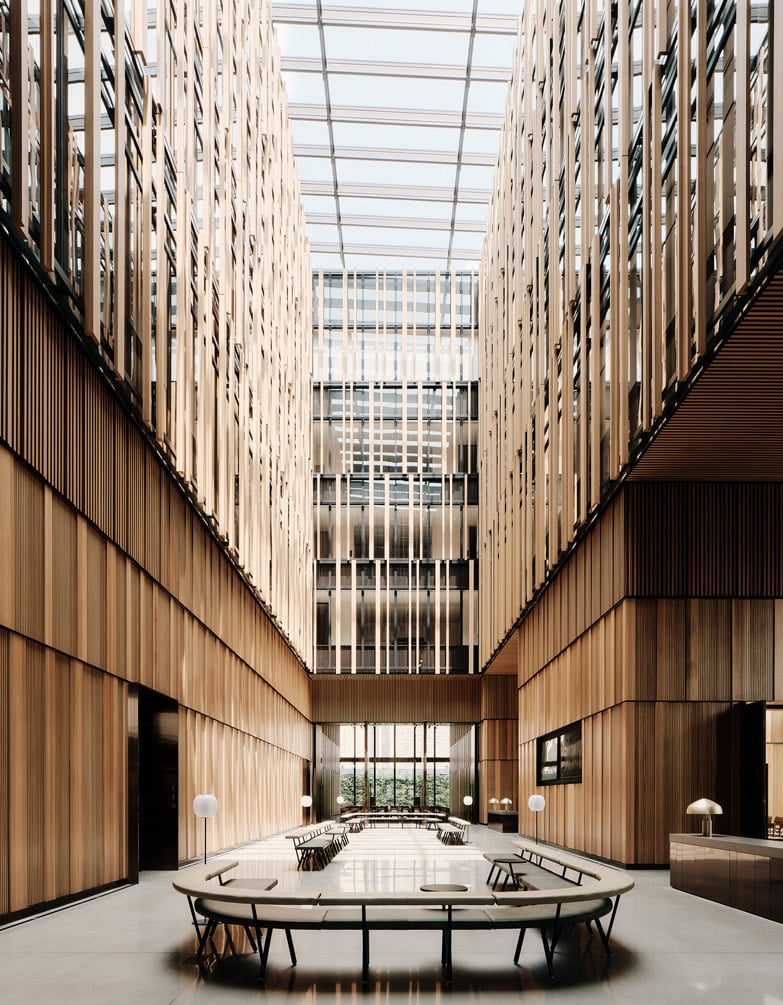
Australian_embassy_sustainability_LEED
Editorial-Sustainable-Forest-Masthead

Designed for Disassembly and Reassembly 

Sculptform systems are designed to support long-term building performance and flexibility. The Click-on system enables architects to design buildings that prioritise efficient disassembly. Modular installation methods allow components to be removed, replaced or reconfigured without damaging surrounding materials, supporting easier upgrades, refurbishment and adaptive reuse of spaces. 

Key benefits include:

  • Systems designed for disassembly

  • Adhesive-free installation

  • Replaceable components

  • Modular track and clip system for easy reuse and reconfiguration

  • Reduced demolition waste during refurbishment projects

  • Simplified end-of-life material separation for recycling 

Components can also be reused in other areas or future projects, extending material life and reducing the need for new resources. Aluminium further supports circular construction, maintaining long-term value through its ability to be recycled repeatedly without loss of quality. 

Watch the video below to see how our Click-on Cladding was designed for disassembly.
 

Efficient Manufacturing

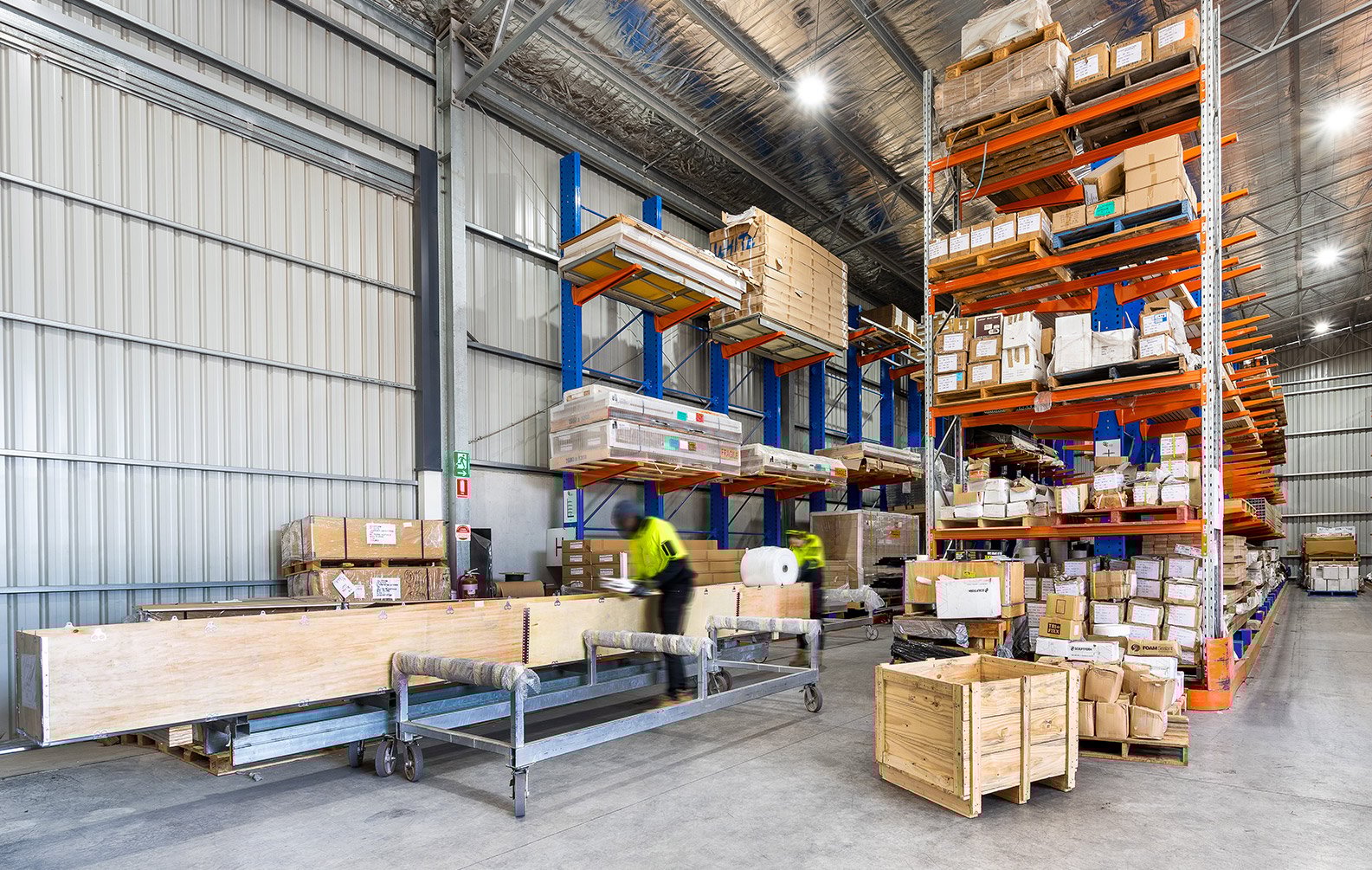
Sculptform’s global manufacturing model allows systems to be produced closer to the project location, reducing the environmental impact associated with international material transport.

Where appropriate, we also partner with specialised local manufacturers to utilise regional capabilities and optimise production efficiency. 


Production_Floor_Landscap_08

Latest Projects & Inspiration Gallery

inlineCTA
Let’s get started!

Ready to chat about your next project?