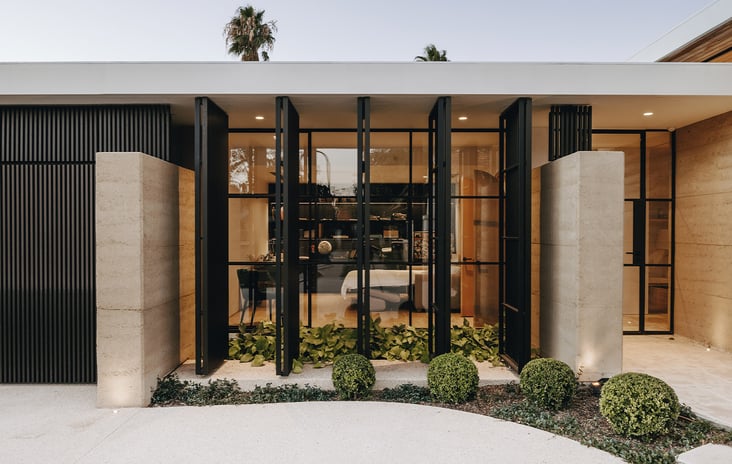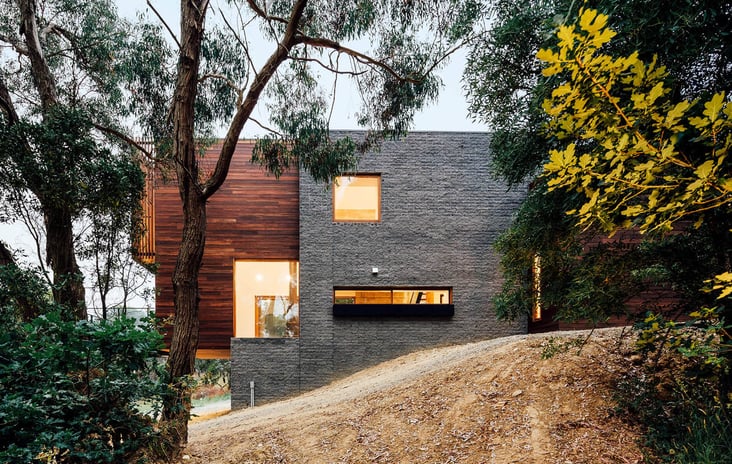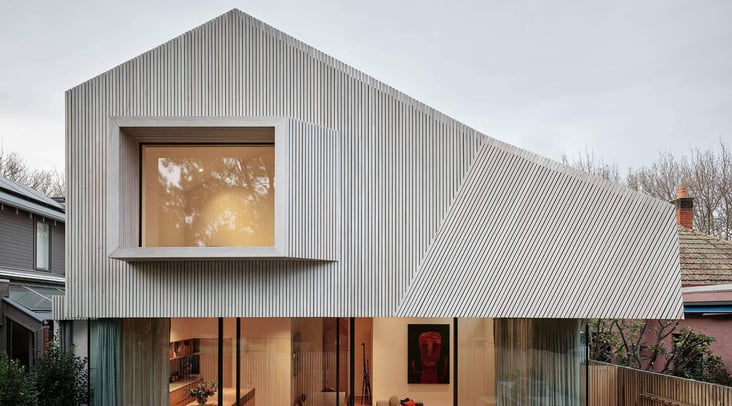

In Australian architecture, cladding refers to the exterior wall systems that shape both the protection and personality of a building. This guide outlines the main types of cladding used across homes and commercial projects and shows how each relates to Sculptform’s modular systems. Whether you’re designing a facade, soffit or feature wall, these options help achieve your creative and technical goals
Cladding is the protective and decorative outer layer of a building. Its performance depends on both the chosen material and the wall build-up behind it, which together determine weather resistance, acoustics, insulation and overall durability.
Each project demands a slightly different approach. The right solution depends on design intent, lifespan, maintenance and compliance standards. The cladding materials list below summarises the main cladding types Australians specify the most.
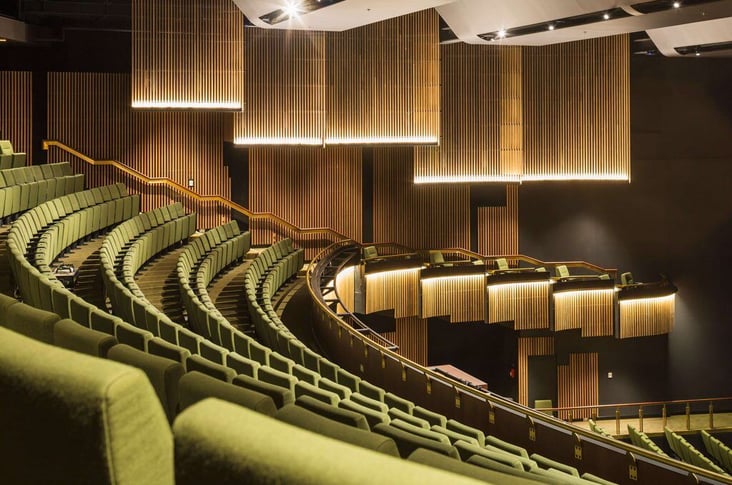
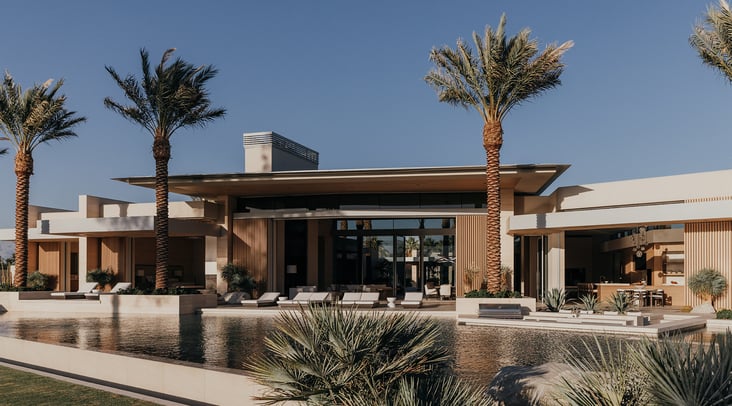
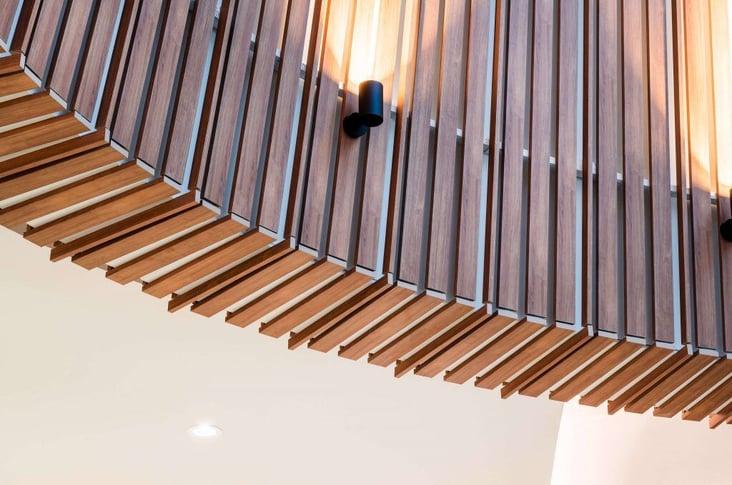
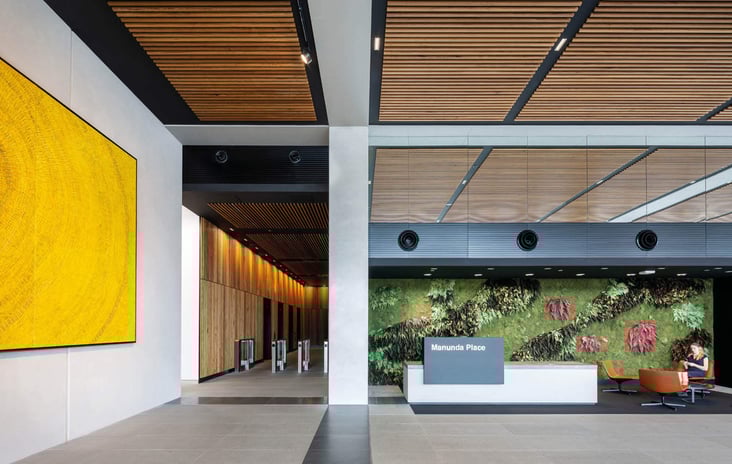
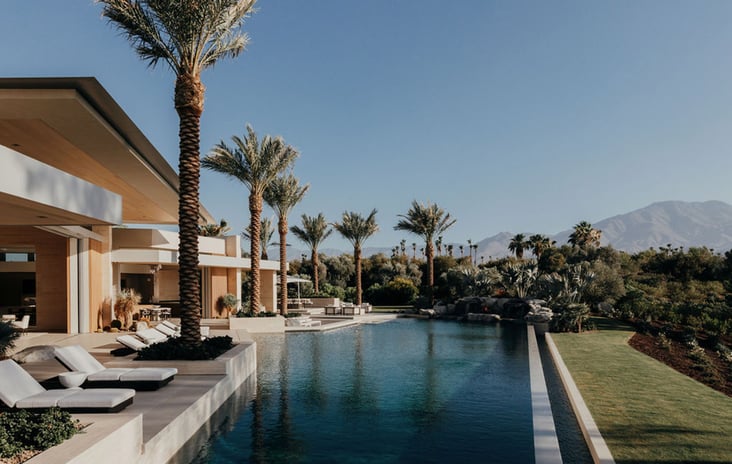
Timber cladding offers warmth, texture and natural variation that connects a building to its surroundings. Its visible grain and tonal depth make it a popular choice for facades and soffits. To preserve appearance, design teams plan for weathering and specify coatings that suit exposure and maintenance schedules.
Sculptform’s Tongue & Groove cladding provides concealed-fix timber systems that maintain clean lines and minimise onsite labour. Each profile is precision-milled for a premium, easy-to-install result with full documentation and samples available.
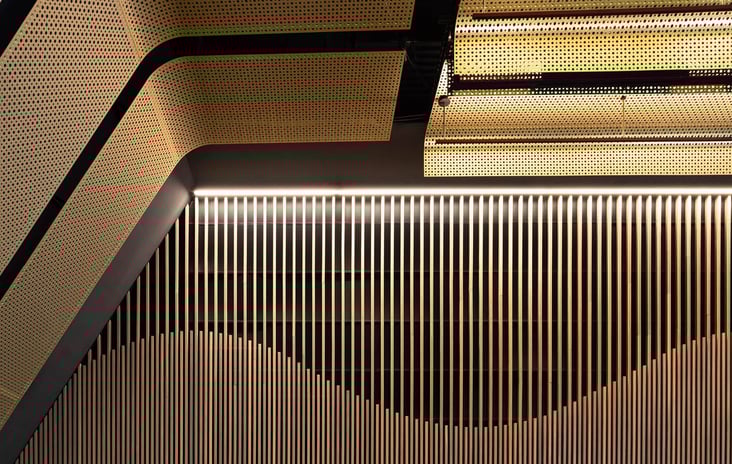
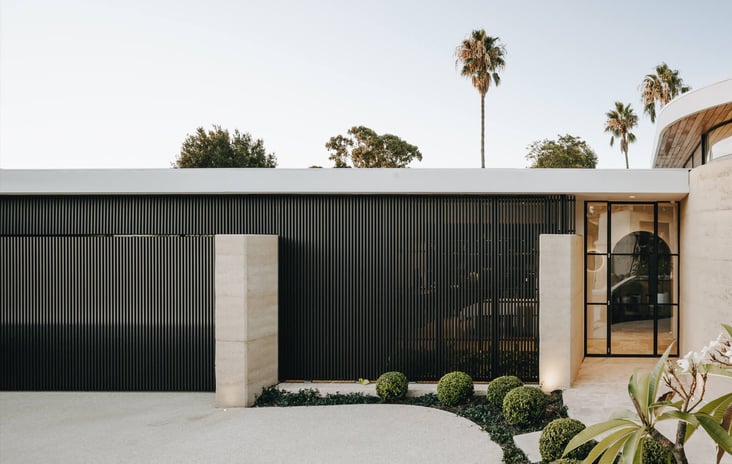
Architects and contractors prefer aluminium cladding in Australia for its strength, light weight and minimal upkeep. It provides sharp detailing, consistent profiles and an extensive selection of finishes with genuine timber appearances. The result is a sleek, durable surface that stands up to the harshest environments.
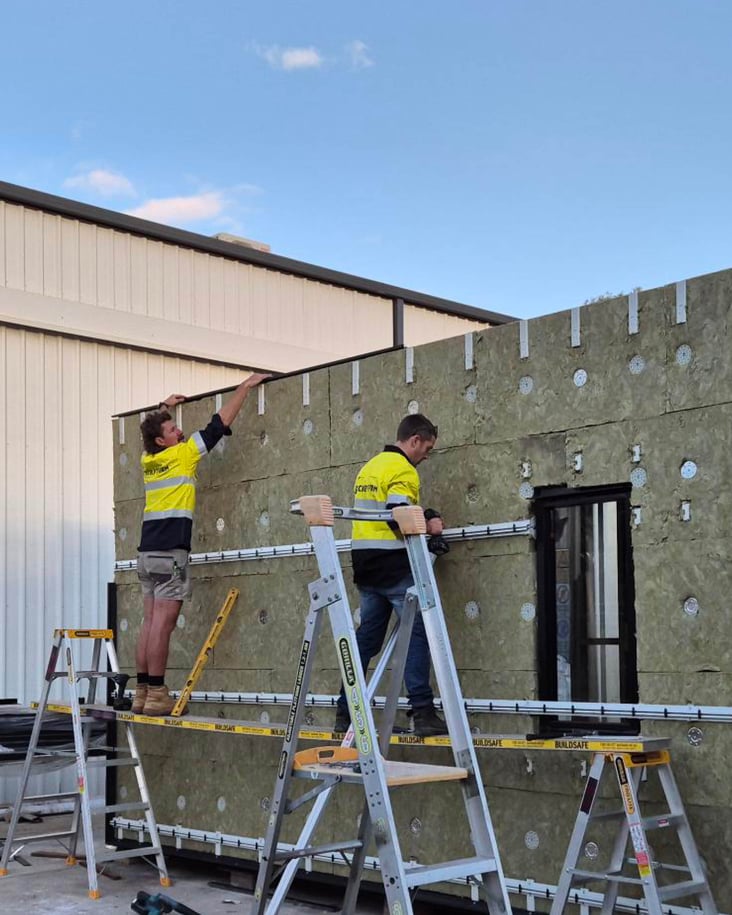
With Click-on Cladding, designers get accurate geometry and concealed fixing that speeds installation and reduces labour. For a complete building envelope, Velo Facades integrates aluminium rainscreens, membranes and insulation into a balanced system.
Fibre cement panels consist of cement and cellulose fibres, producing a stable, paintable surface with excellent dimensional accuracy. They are often used in ventilated facades where clean lines and simple detailing are priorities. This reliable option offers good fire resistance and easy maintenance, though it lacks the depth and natural variation of timber or aluminium textures.
Composite cladding blends materials like aluminium, polymer and fibre layers to improve strength, stability and weather performance. These products are designed to be symmetrical and modern, sometimes mimicking timber or stone but providing greater durability. Composites can be a smart, innovative choice for contemporary facades where budget and performance need to align.
As testing requirements vary between manufacturers, always request certification for fire, acoustic and structural compliance before specifying.
Integrated facade systems bring everything together, combining rainscreen panels, substructure, membranes and insulation into a single specification. This approach saves time, simplifies coordination and keeps performance data consistent across the full wall build-up.
Sculptform’s Velo Facades exemplify this method. The system pairs aluminium rainscreens with compatible cavity options for thermal or ventilated performance. It’s a high-performance, easy-to-install and sustainable solution that supports efficiency from design to delivery.
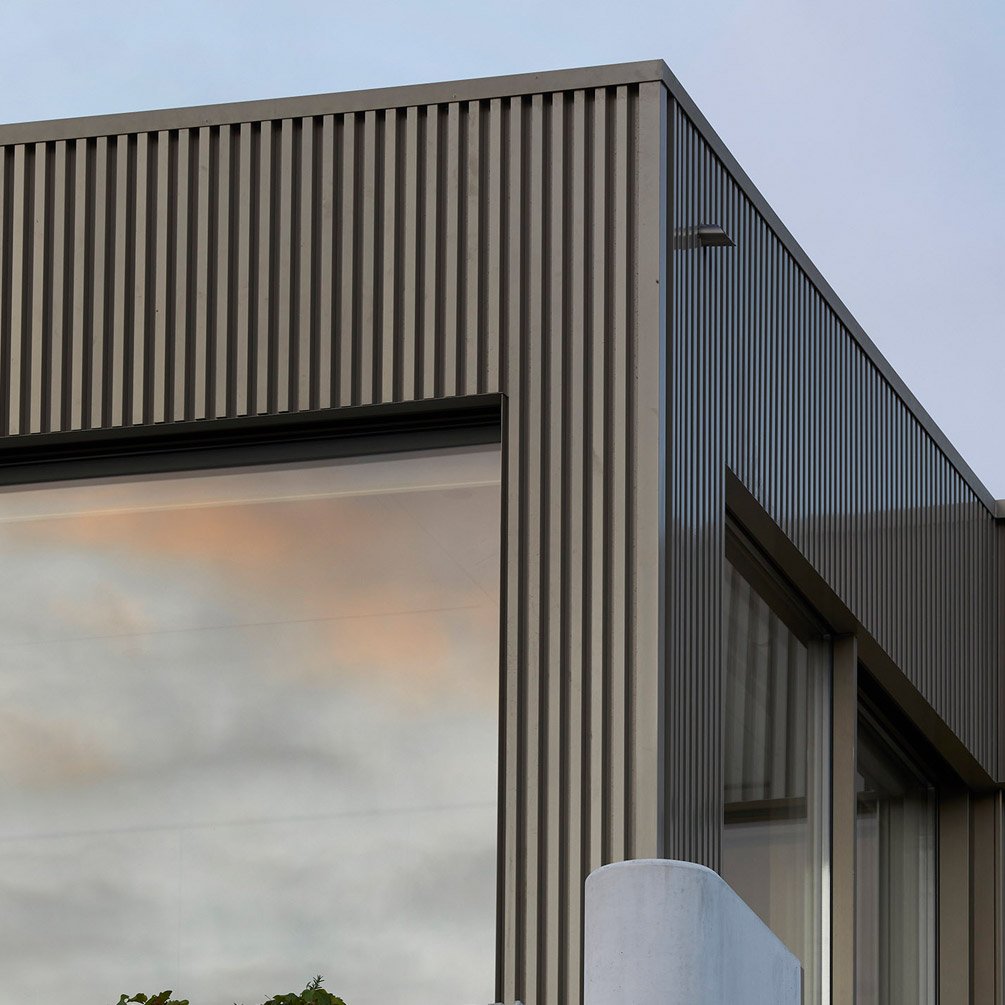
Selecting the right cladding starts with balancing appearance, longevity, maintenance, installation and compliance. Referring to a clear cladding materials list helps evaluate which system best suits your project and environment.
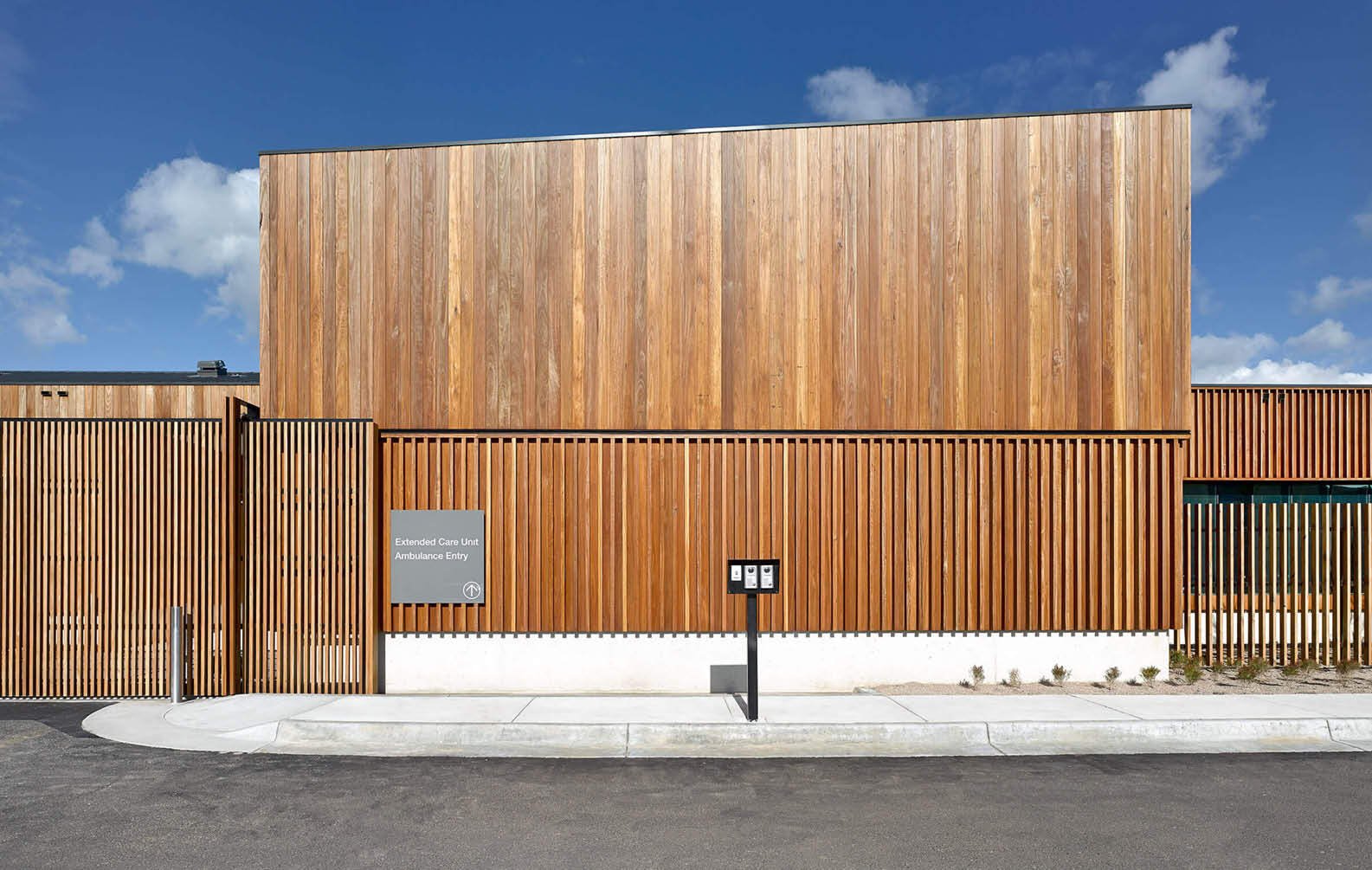
Sculptform’s modular cladding systems turn complex ideas into practical details. Concealed fixing keeps surfaces seamless, while clear documentation and testing data simplify specification.
Tongue & Groove Cladding is a refined timber cladding system designed for seamless, durable performance. With hidden fixings, engineered detailing, and a wide range of profiles and finishes, it delivers a clean, elegant look for interior and exterior applications.
Click-on Cladding is a contemporary aluminium rainscreen system featuring interchangeable profiles and timber-look coatings. It combines aesthetic freedom with technical reliability and detailed documentation for architects and builders.
Velo Facades provide a complete facade package, integrating aluminium rainscreen, membranes and external insulation. Designed for precision and performance, Velo delivers sustainable, compliant and easy-to-install building envelopes that save time during installation.
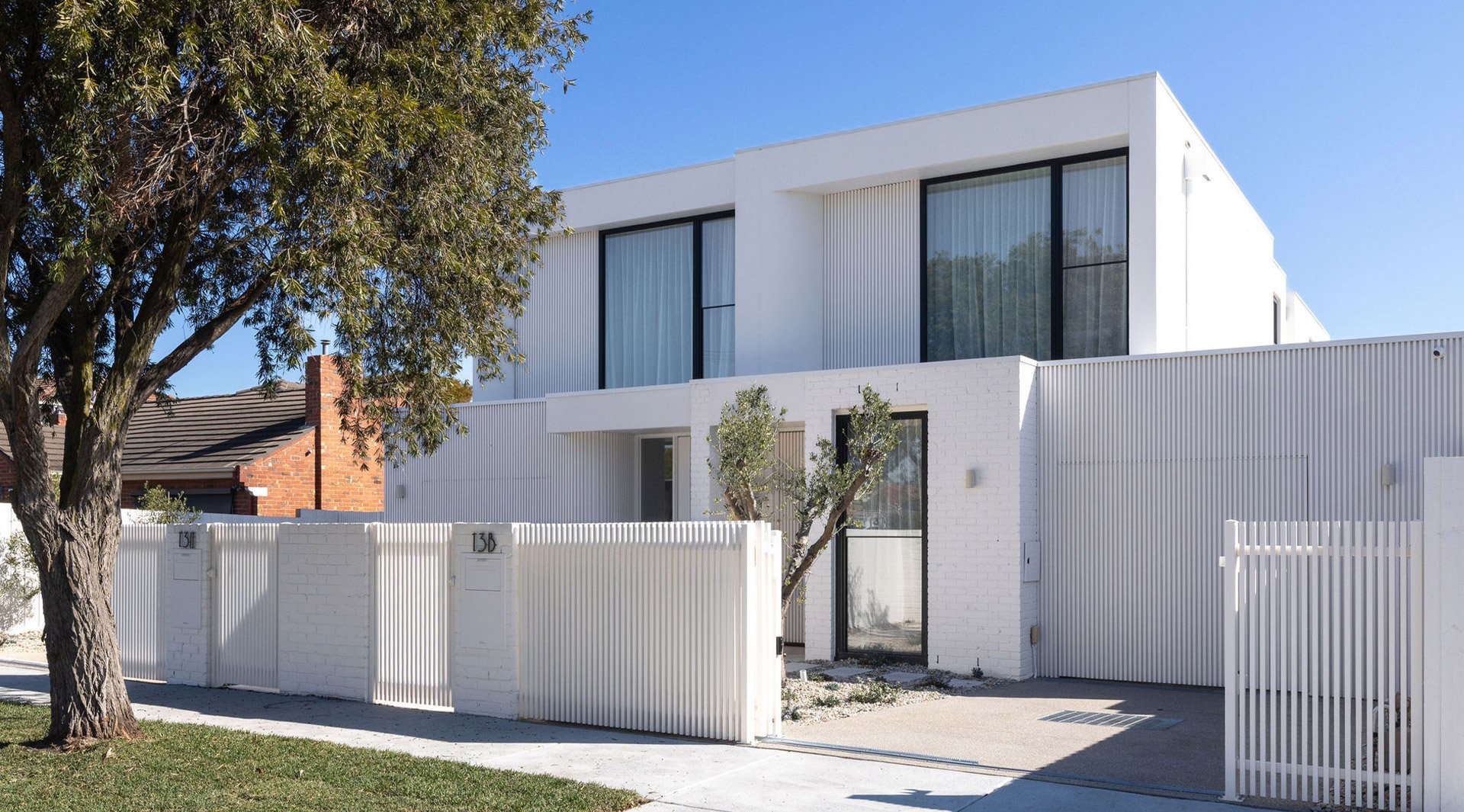
Sculptform’s wall and ceiling systems appear across many celebrated Australian projects. Each example shows how profiles, finishes and materials can transform a concept into a functional, enduring surface.
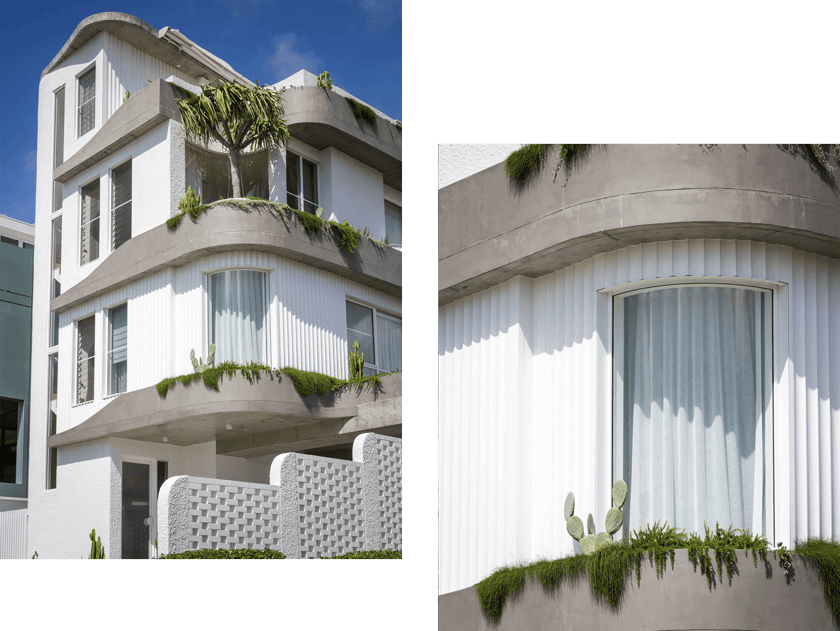
Cala Apartments in Melbourne’s Bayside area features a striking aluminium facade that captures the building’s coastal identity. The project uses Sculptform Click-on Cladding in a durable powder-coated finish designed for seaside conditions. The concealed-fix system creates a smooth, continuous surface that balances aesthetic precision with long-term performance.
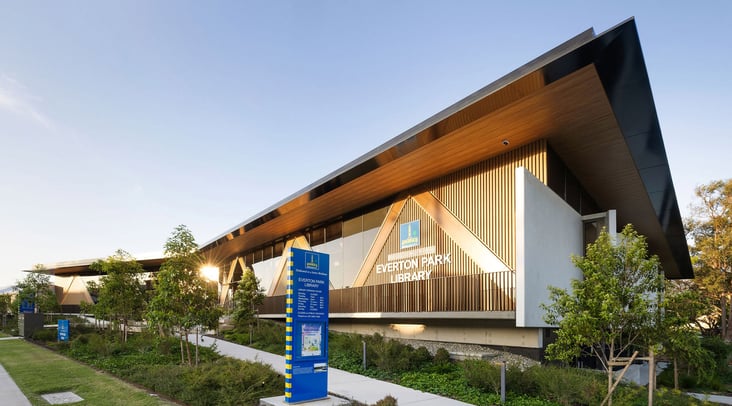
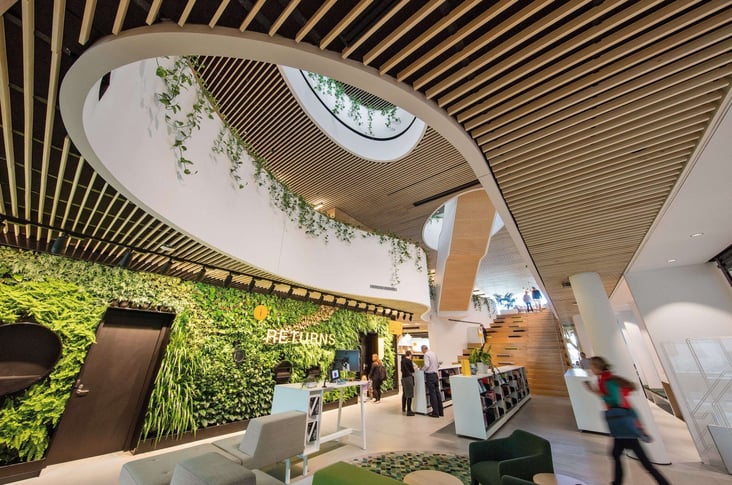
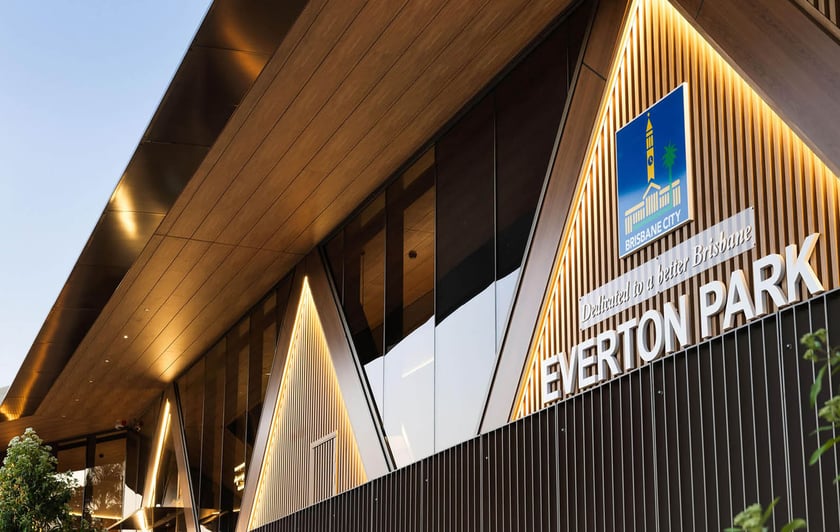
 Everton Park Library
 Inspired by the branching forms of a tree canopy, the Everton Park Library features Sculptform Aluminium Cladding in Series 1 and Series 2 profiles with a natural timber-look finish. The system offers the warmth of timber with the longevity of aluminium, helping the building sit comfortably within its green surroundings while remaining low maintenance.
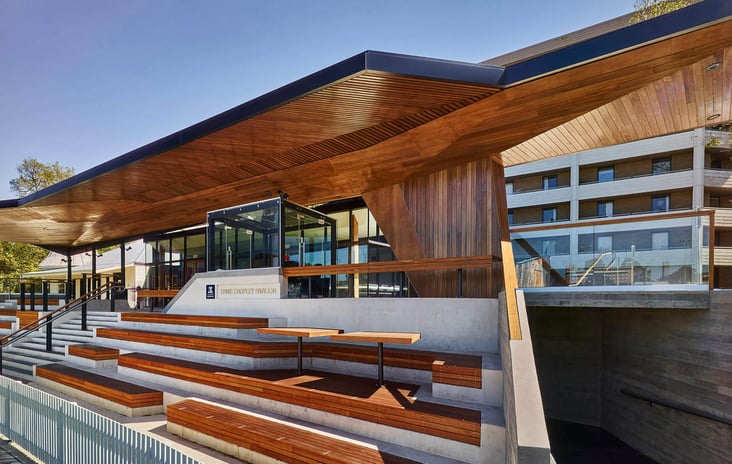
At Sydney’s Gunyama Park, Sculptform’s Click-on Cladding and Tongue & Groove Cladding define the building’s curved timber ceilings and soffits. The system’s precision profiles and modular design helped achieve complex geometry while maintaining a warm, organic aesthetic suitable for high-humidity environments.
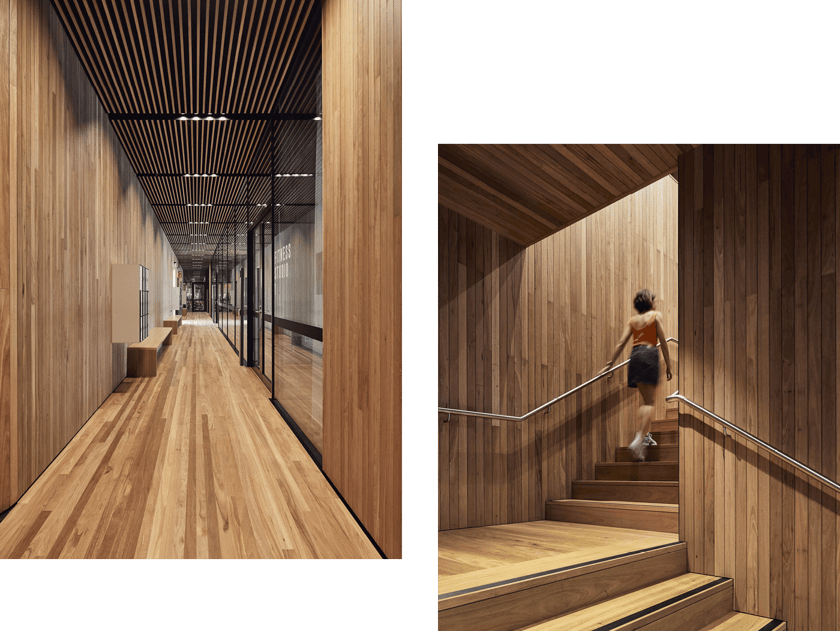
Upper House in Melbourne combines Sculptform Timber Cladding, Battens and Screens to deliver a cohesive architectural language across interiors and facades. The result is a landmark residential tower that demonstrates how premium materials and thoughtful detailing can elevate multi-residential design.
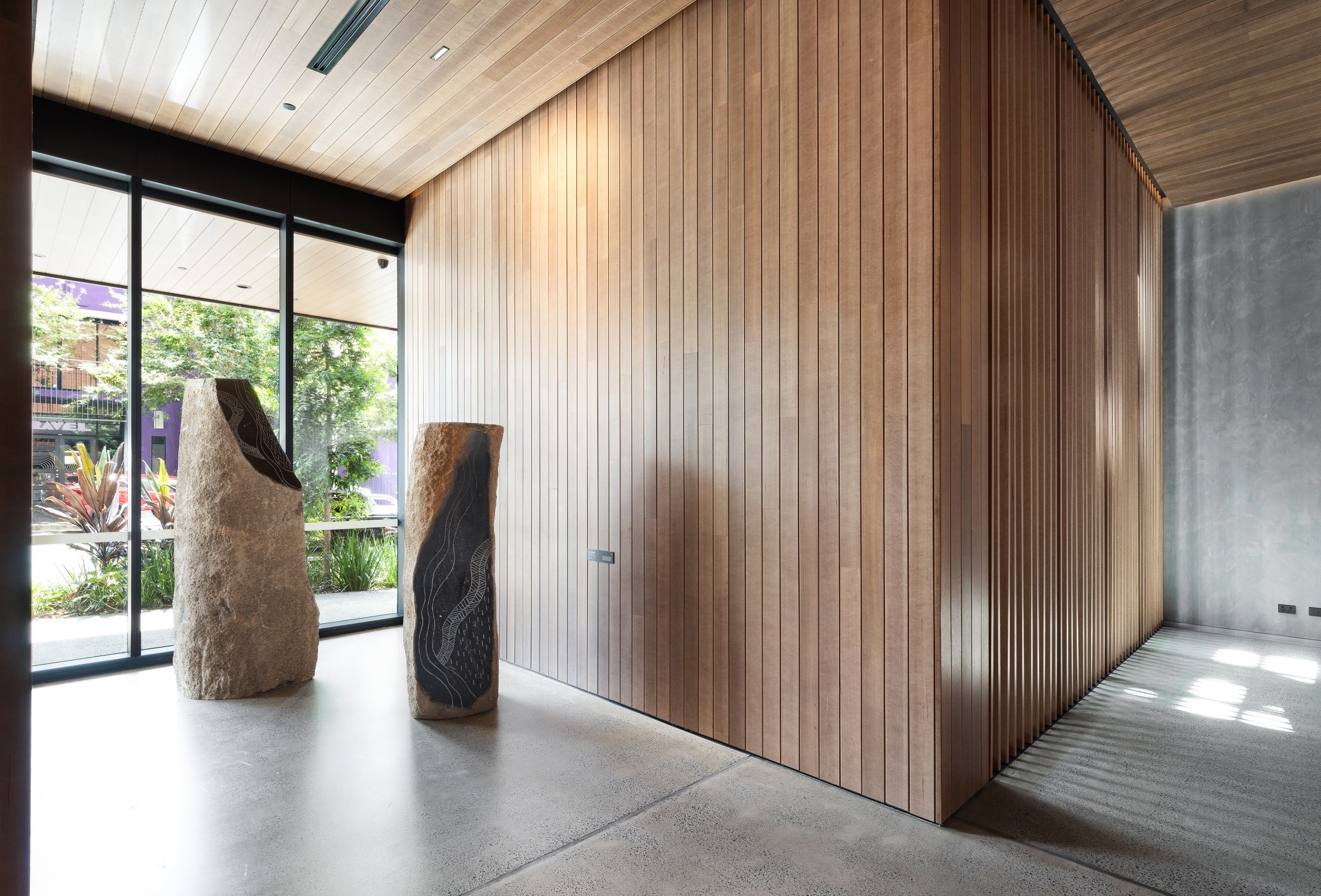 Across every project, Sculptform worked closely with design and construction teams to provide samples, specifications and ongoing support. The result is architecture that looks exceptional, performs reliably and is genuinely buildable.
Start your specification now with our Price and Spec tool. Confirm your spans and finishes, compare materials and download all documentation in one place — everything you need to bring your design to life with confidence.