Fire-Resistant Cladding
The Essentials of Fire-Resistant Cladding
Durable, compliant and crafted for safety, Sculptform’s fire-resistant cladding gives architects, designers and builders confidence that safety does not come at the expense of design. Our systems are built to protect lives, simplify compliance and deliver premium finishes. This guide explains the essentials of fire-resistant cladding and shows how Sculptform combines safety with design freedom.
What is Fire-Resistant vs Non-Combustible Cladding
Non-combustible cladding refers to the protective layer or external materials of a building, such as aluminium, steel or fibre cement, which do not catch fire or fuel flames.
Fire resistance considers the performance of the whole wall build-up rather than just the surface layer. It measures how long the cladding, sheathing, barriers, fixings and coatings can hold back fire and smoke.
Rules differ across regions. In Australia, the National Construction Code (NCC) sets specific requirements, while in the UK, Approved Document B defines performance. Details vary, but the principle is the same: a wall system must resist fire as a whole, not just as one material.
When specifying fire-resistant (FR) aluminium cladding, steel or fibre cement, it is essential to remember that the finish, fixings and layers behind the surface all contribute to final performance.
Benefits of Fire-Resistant Cladding
Choosing fire-resistant cladding offers clear, practical advantages:
- Clearer compliance pathway during approvals.
- Improved life safety for building occupants.
- Reduced flame spread across the surface.
- Durable performance with lower maintenance risk.
- Strong visual outcomes that preserve design intent.
Core Fire Performance Factors to get Right
A facade is more than its outer skin. Fire resistance depends on the performance of the entire wall build-up, with each layer working together to delay fire spread and protect lives.
Material Non-Combustibility
Materials like aluminium, steel and fibre cement are deemed non-combustible. Choosing non-combustible cladding is an important first step, but it is only part of the solution. Real performance depends on how these materials work together with layers, coatings and fixings to create a complete wall system.
Wall Build-Up and Layers
What sits behind the cladding matters as much as the surface. Layers of sheathing and insulation add protection. Using gypsum or fibre cement sheathing boards can make a big difference, improving how long the wall resists fire. This is why hospitals and schools often include gypsum. Those layers act as a buffer, slowing fire and buying valuable time.
Spread of Flame and Coating Systems
Even when the base material is FR aluminium cladding, coatings influence how flames behave. A timber-look finish, for example, must be tested to confirm it will not allow flames to spread too quickly. Coatings also affect durability and appearance, so they must be chosen with care. Sculptform finishes are backed by test data, giving you confidence that the look you want also supports compliance.
Cavity Barriers and Compartmentation
Ventilated facades create cavities, and those gaps can act like hidden channels for fire and smoke. To control this hidden risk, cavity barriers and intumescent closers divide the gaps into safe compartments.
Cavity barriers are fire-stopping strips hidden inside the gap behind a ventilated facade. They break the cavity into smaller sections, stopping fire and smoke from racing through. While intumescent closers expand when exposed to heat, swelling to seal the gap and block flames. Together, they act like invisible walls that slow fire and smoke, helping to stop fire from spreading up and across the building. Without them, even the best fire-resistant cladding cannot perform as intended.
Substructure Fixings and Joints
Rails, clips and fixings may seem like small details, but they are critical to fire performance. These parts need to match the fire strategy for the project; otherwise, they can become weak spots.
Openings and penetrations, like service holes or cut-outs, are especially vulnerable. If they are not detailed correctly, fire and smoke can pass through quickly. Careful planning with the fire engineer helps ensure every joint and fixing supports the overall safety of the wall.
Sculptform Fire-Resistant Cladding Options
At Sculptform, we believe safety should never limit creativity. Our facade systems combine compliance with the freedom to explore shapes, profiles, textures and finishes.
Click-on Cladding
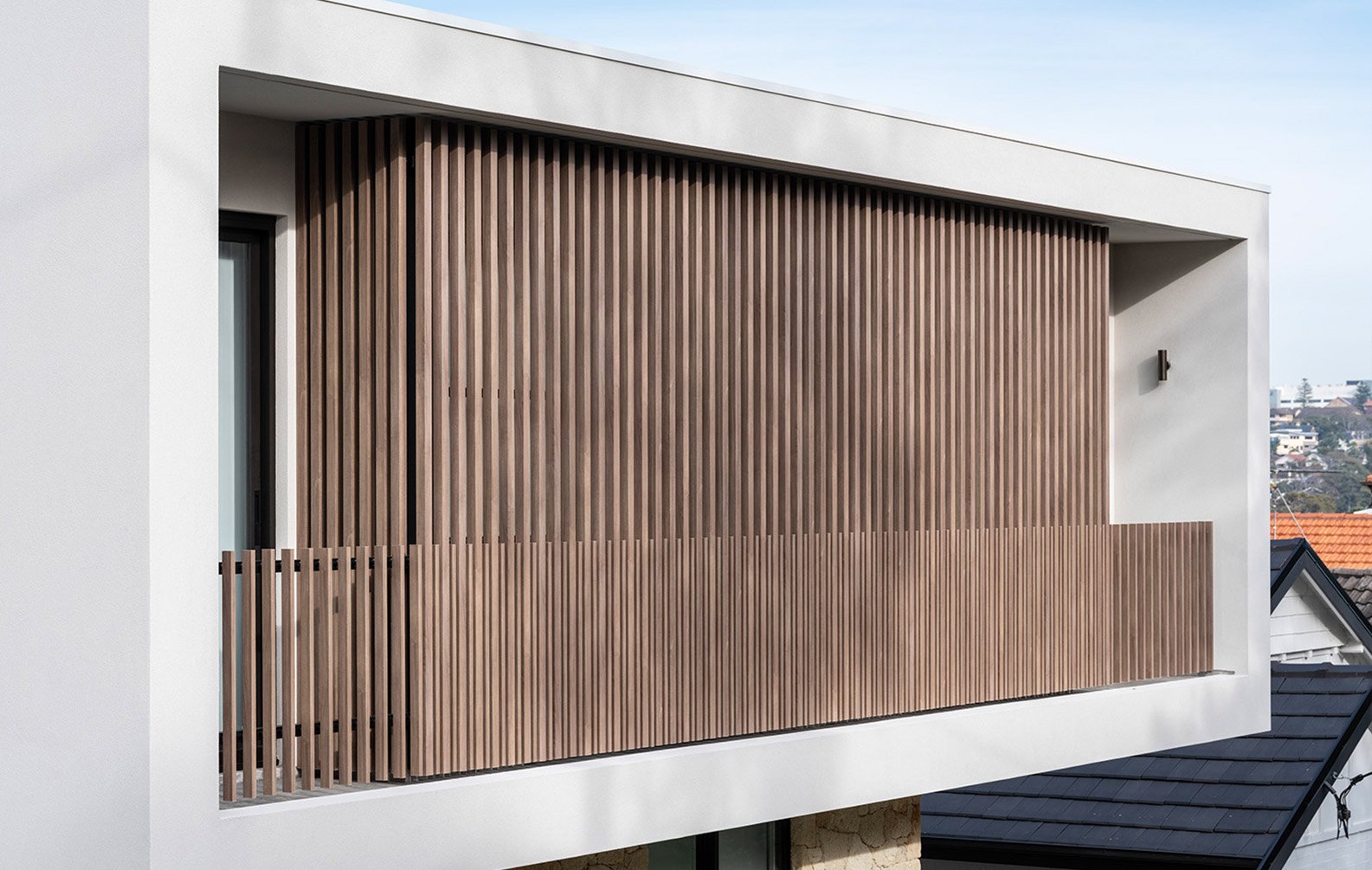
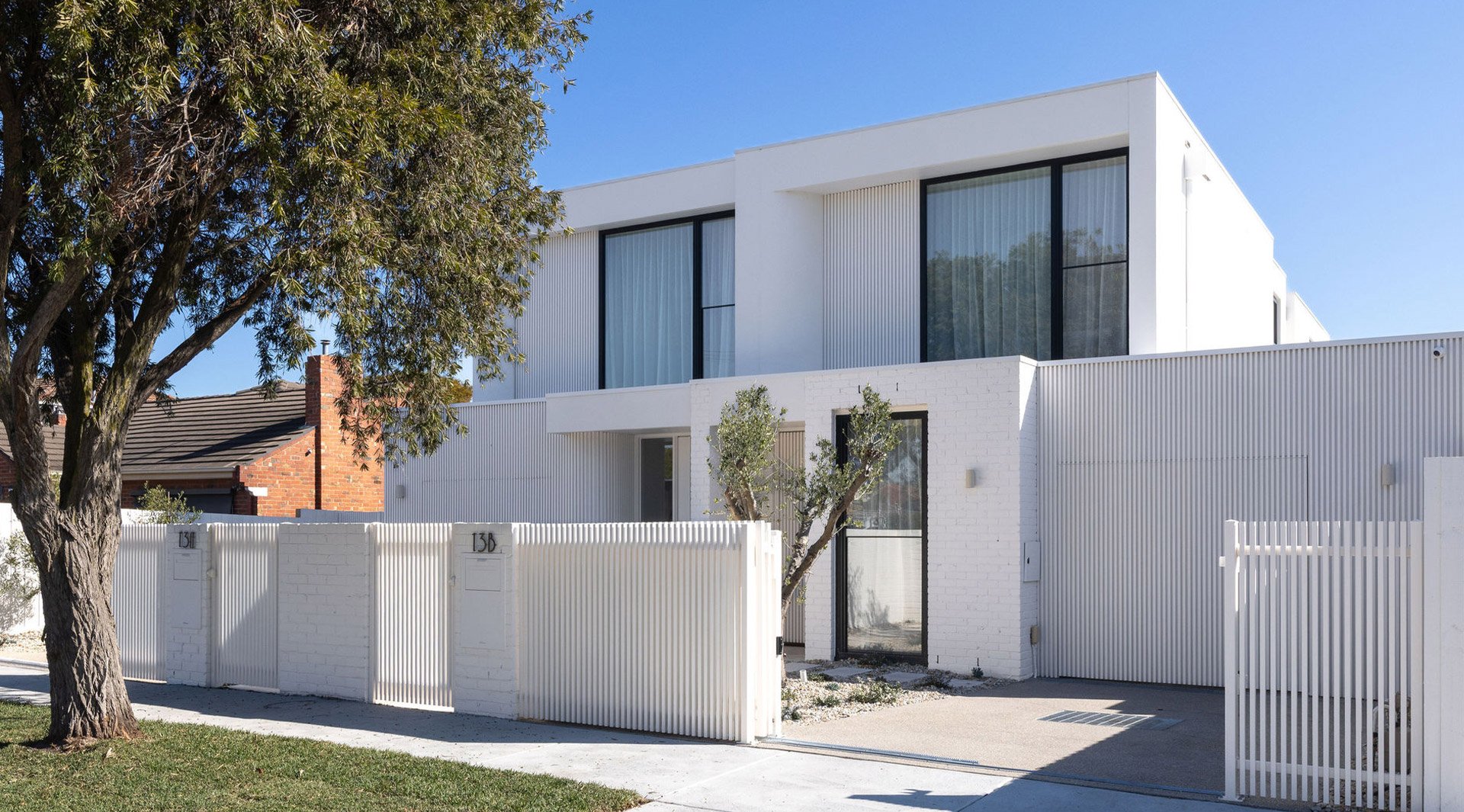
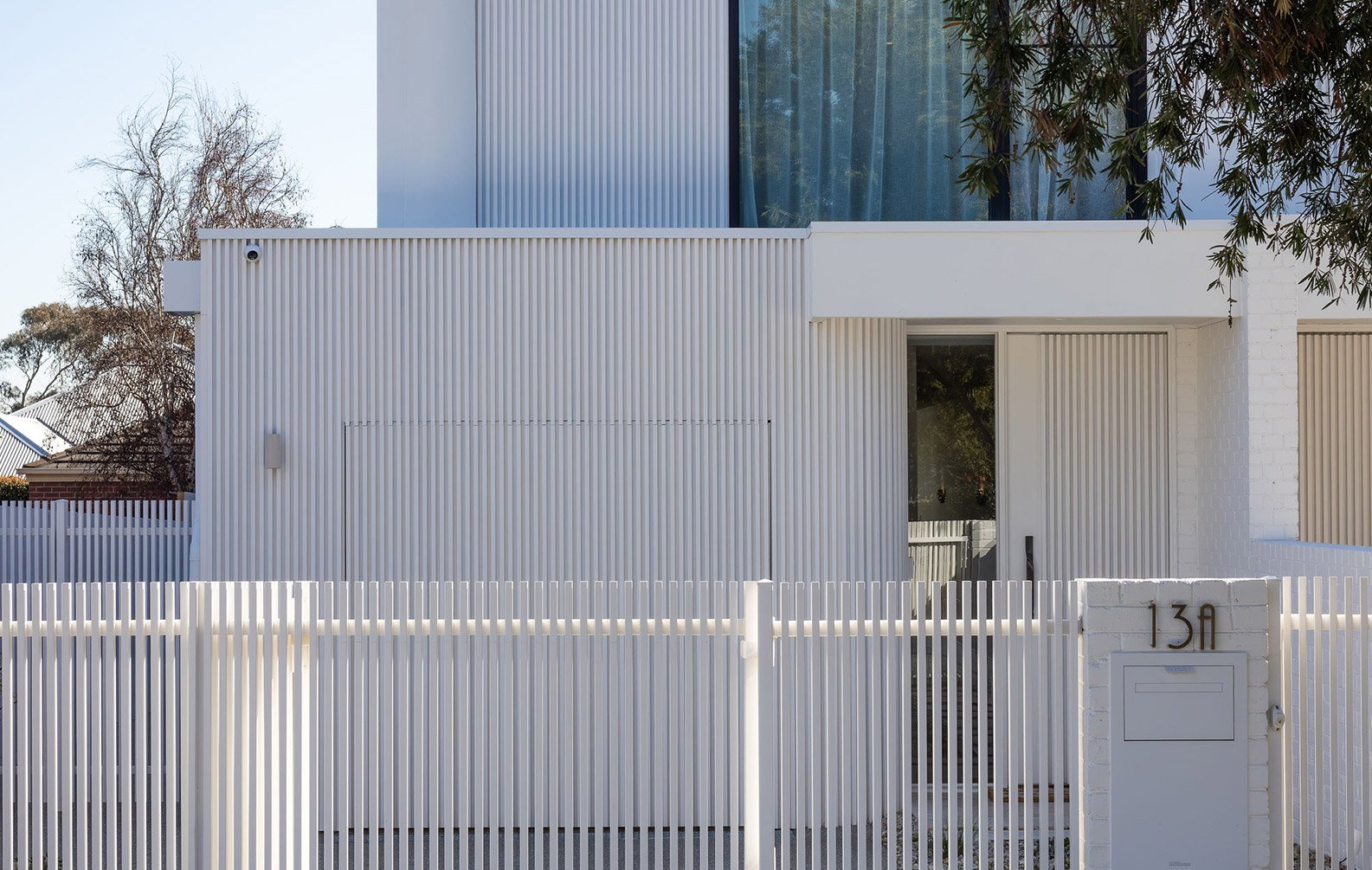
Click-on Cladding is a design-led facade system with concealed fixings that create a seamless finish. It offers a wide choice of aluminium profiles, allowing vertical or horizontal installation for a variety of architectural expressions.
Paired with gypsum sheathing, cavity barriers and tested coatings, Click-on Cladding becomes part of a strong fire strategy without reducing design choices. Architects can also use our Click-on Battens to carry the same language across walls and ceilings.
Velo Facades
Velo Facades are built for scale and design impact. Large panels can be perforated or patterned to control rhythm, shadow and airflow.
The system integrates with sheathing, barriers and coatings to maintain fire performance. It is often chosen for cultural, commercial and educational projects where safety is essential but bold design is part of the brief. Velo supports sustainability through controlled ventilation that reduces reliance on mechanical systems.
Case Studies and Applications
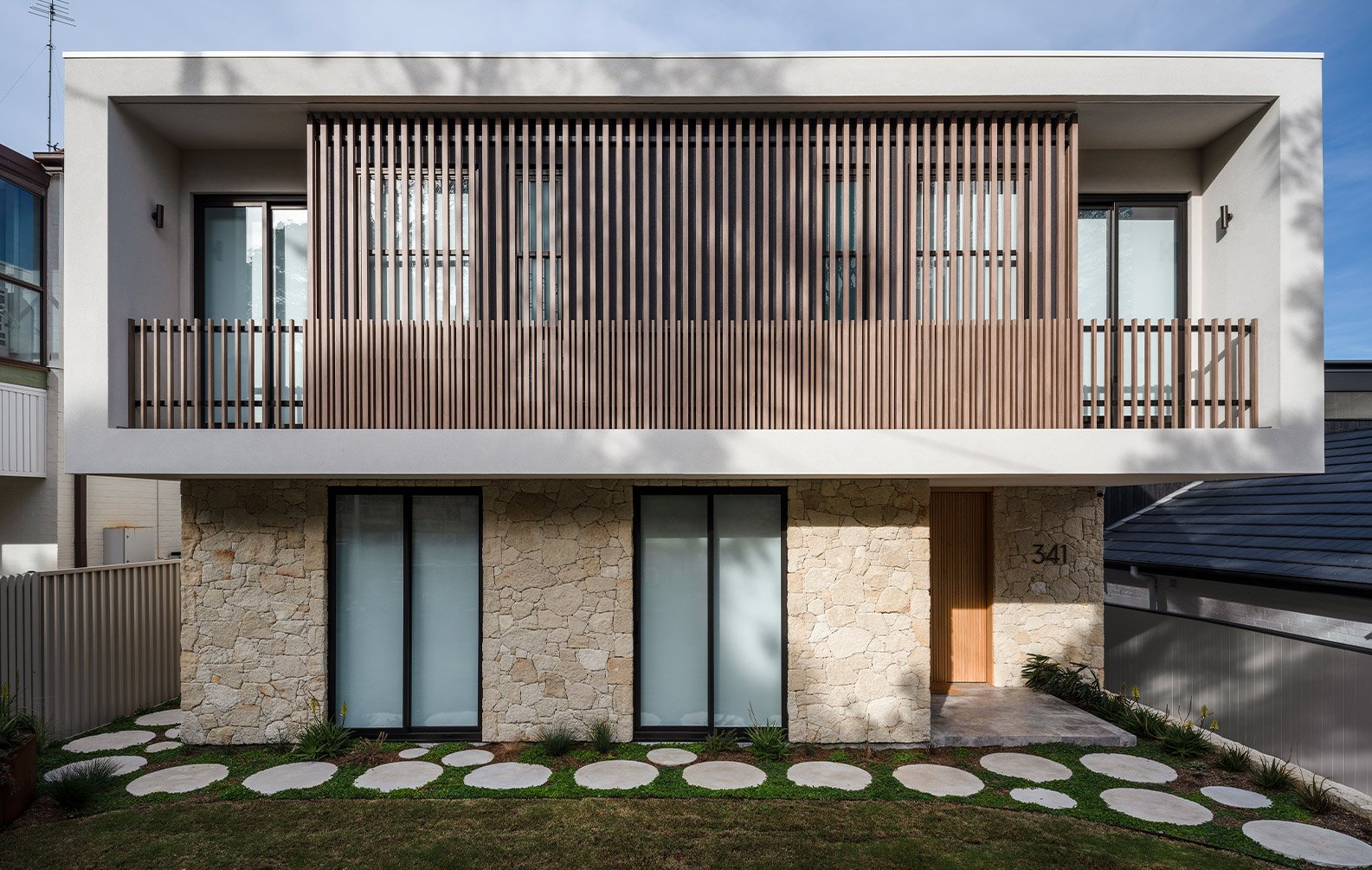
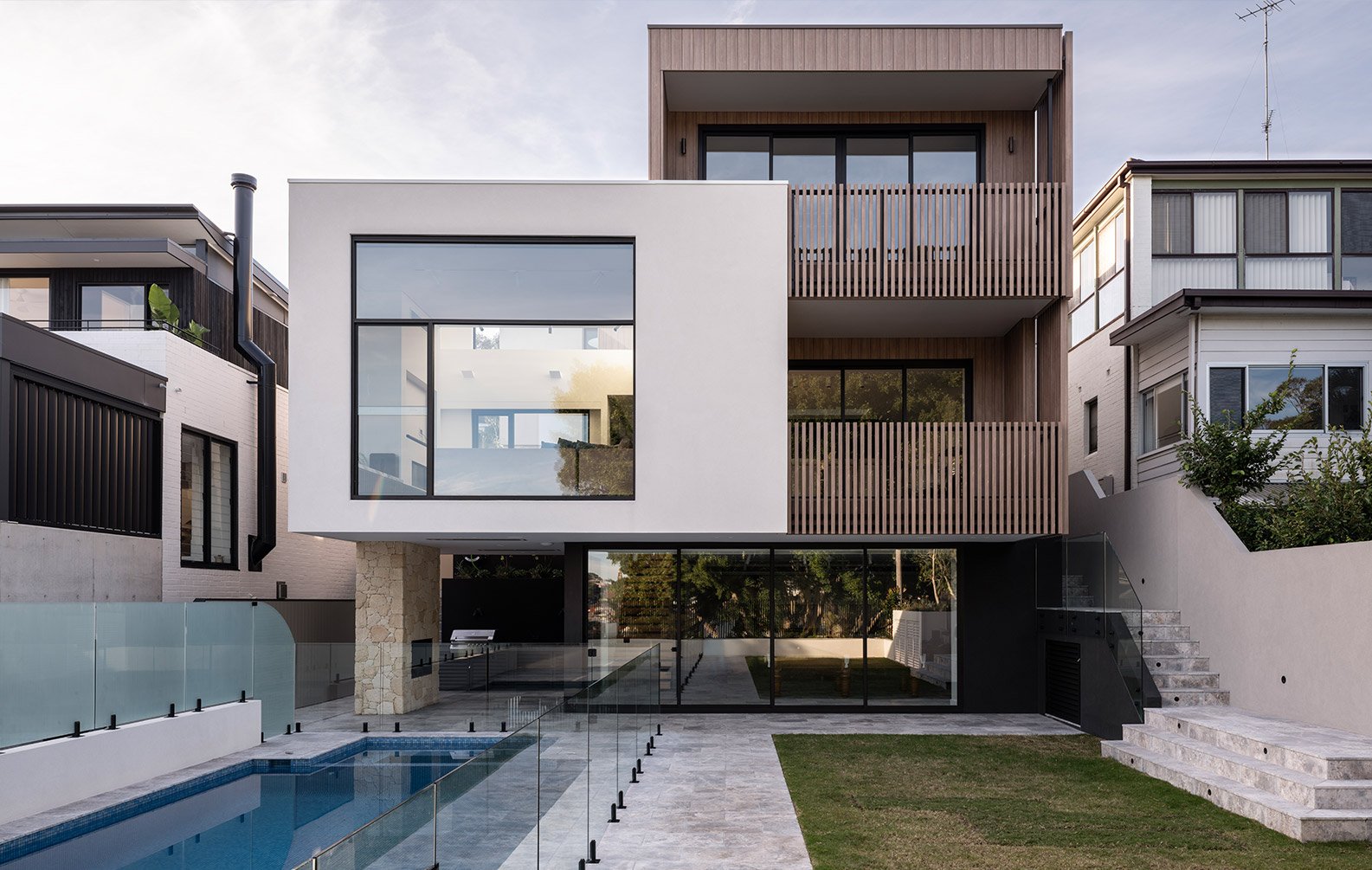
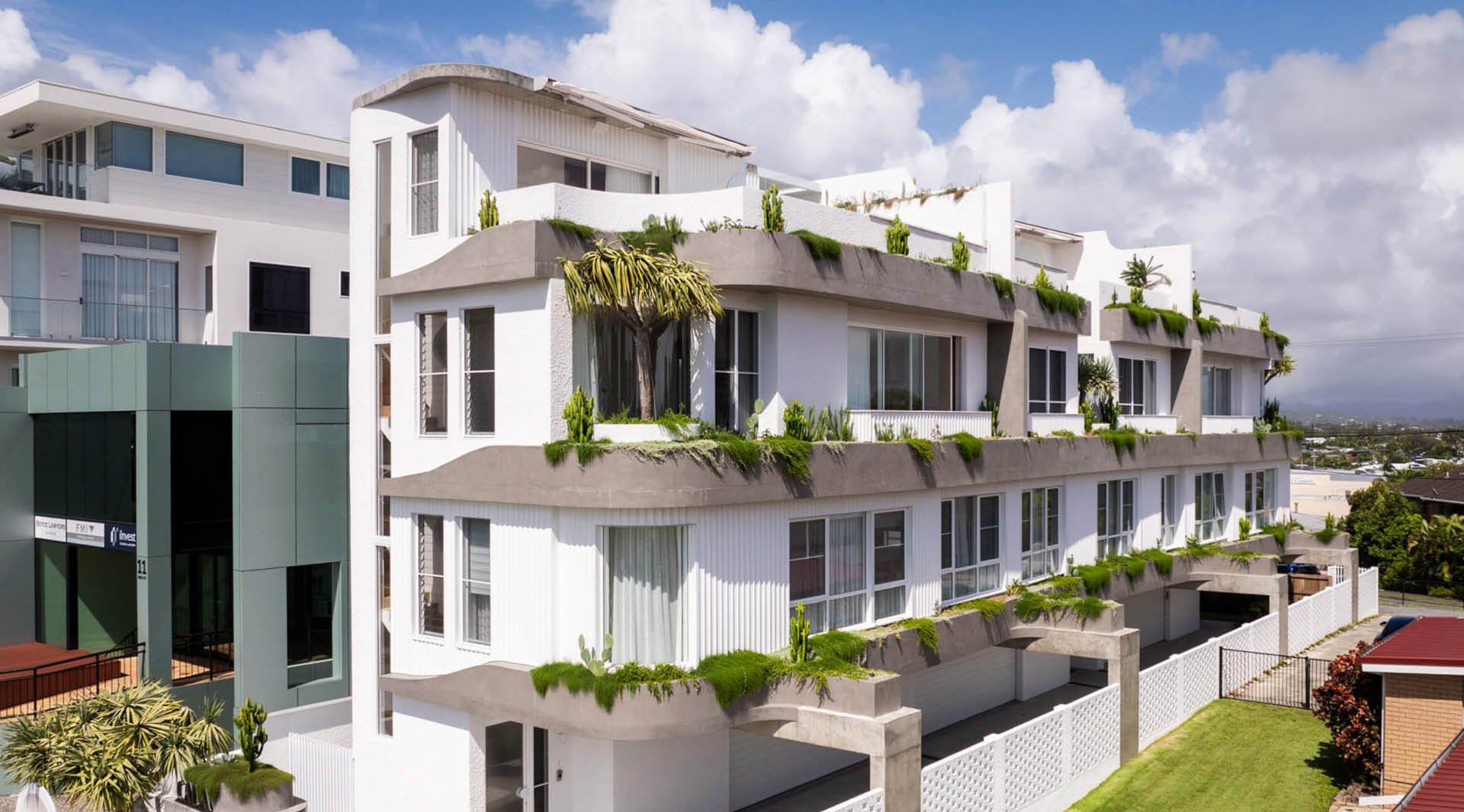
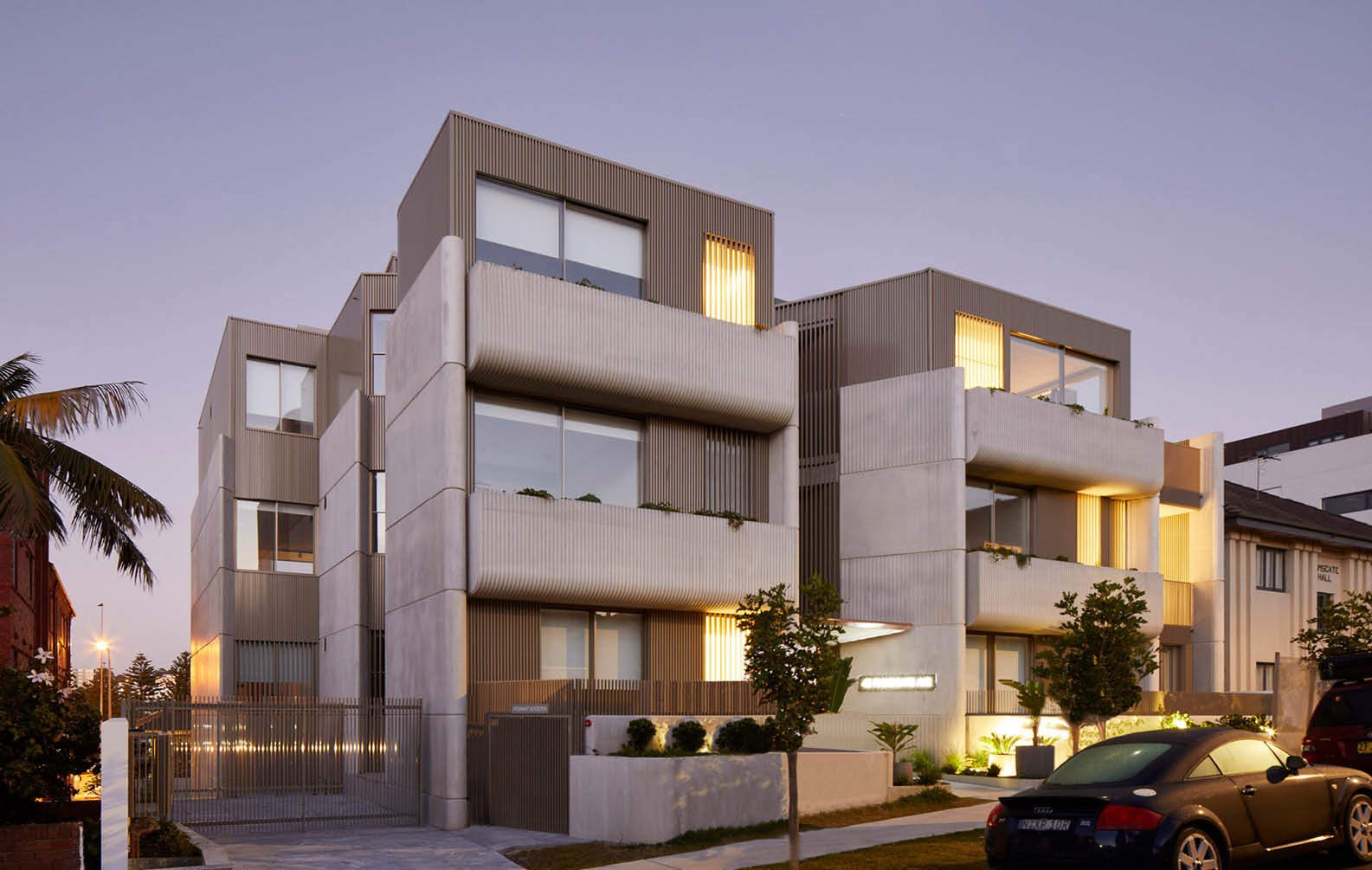
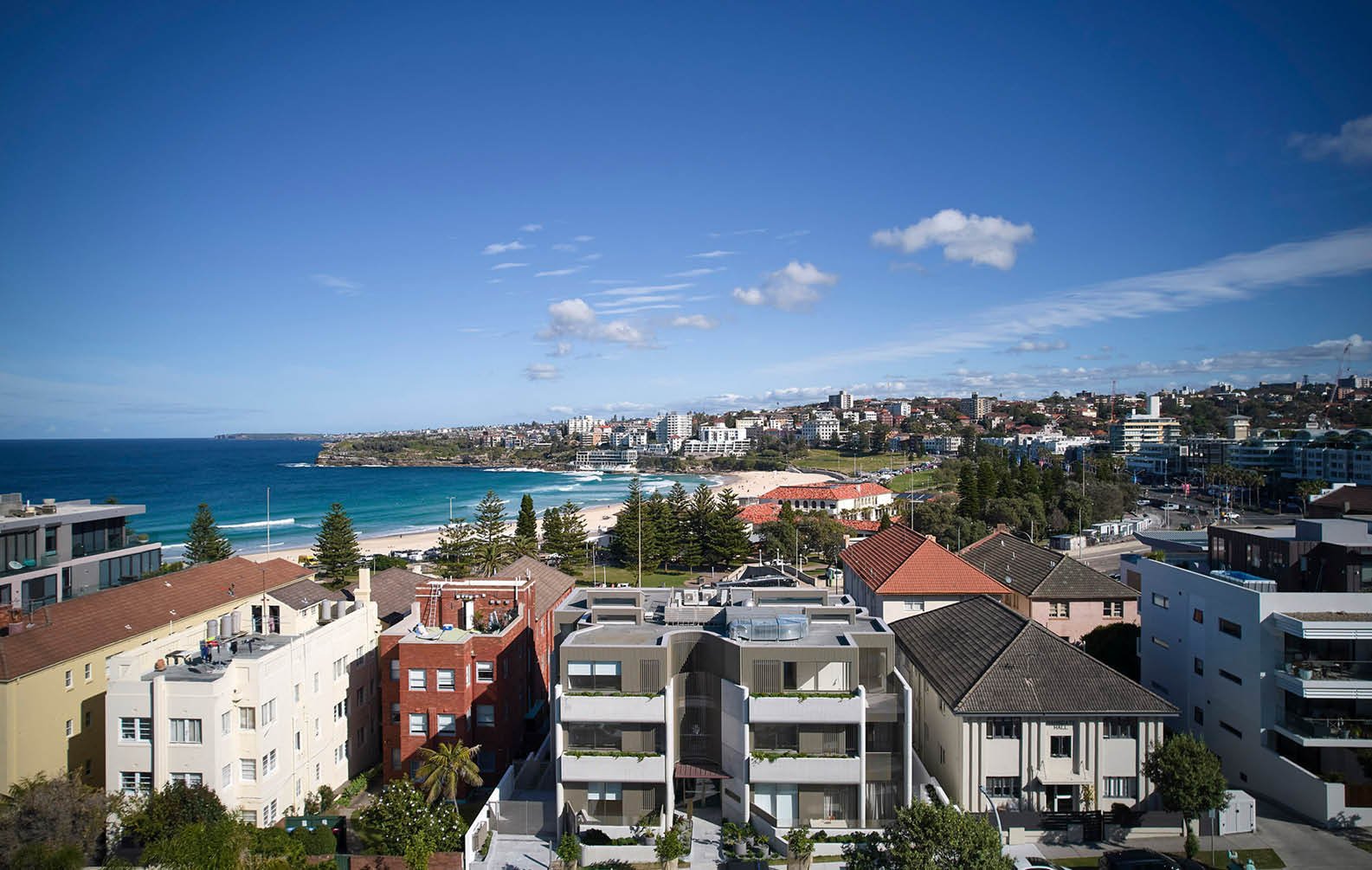
Ramsgate Apartments
System: Click-on Cladding in aluminium.
Wall build-up note: Installed over fibre cement sheathing with cavity barriers.
Outcome: Delivered a sleek multi-residential facade that met compliance while achieving a premium, modern finish.
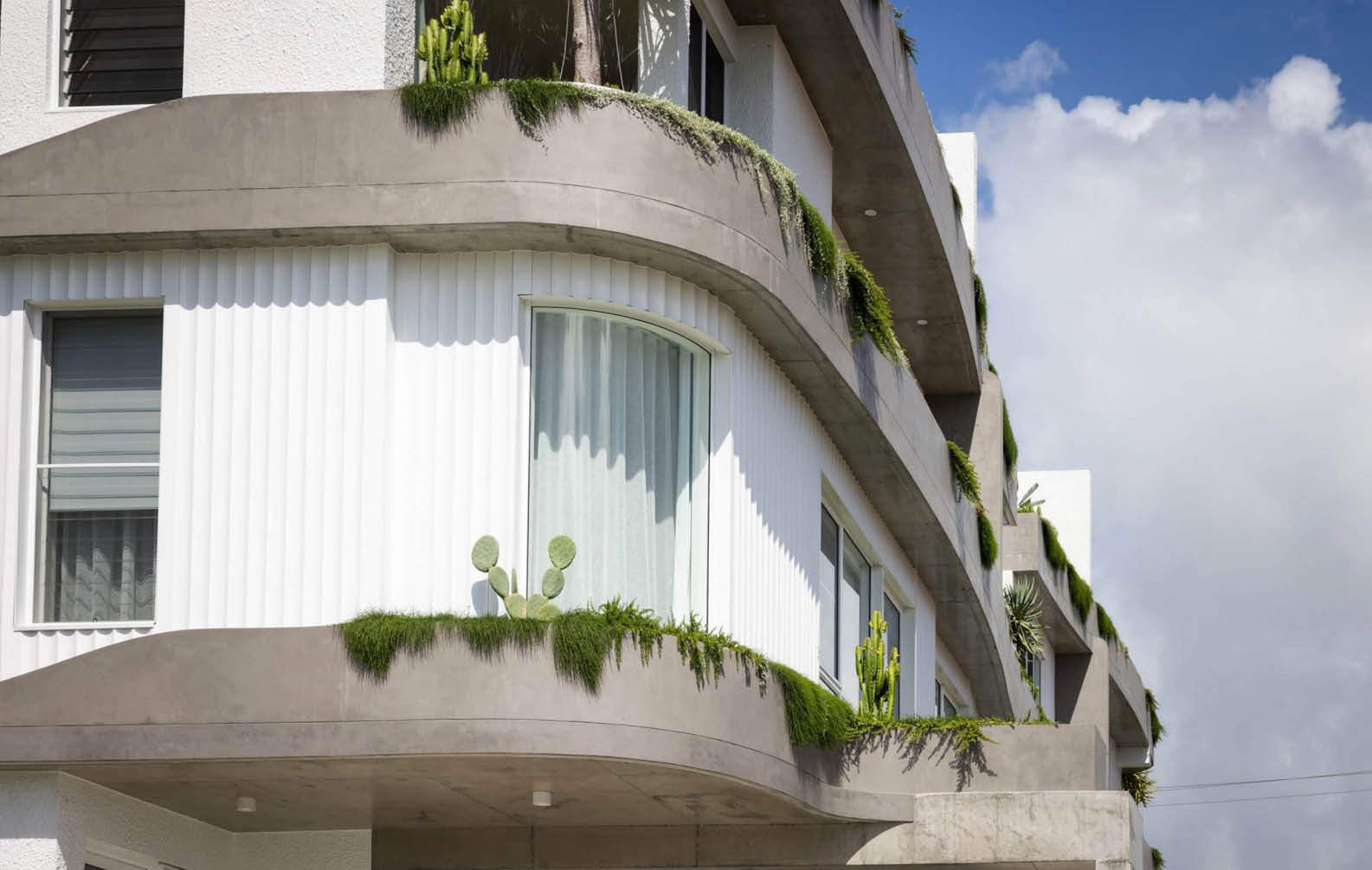
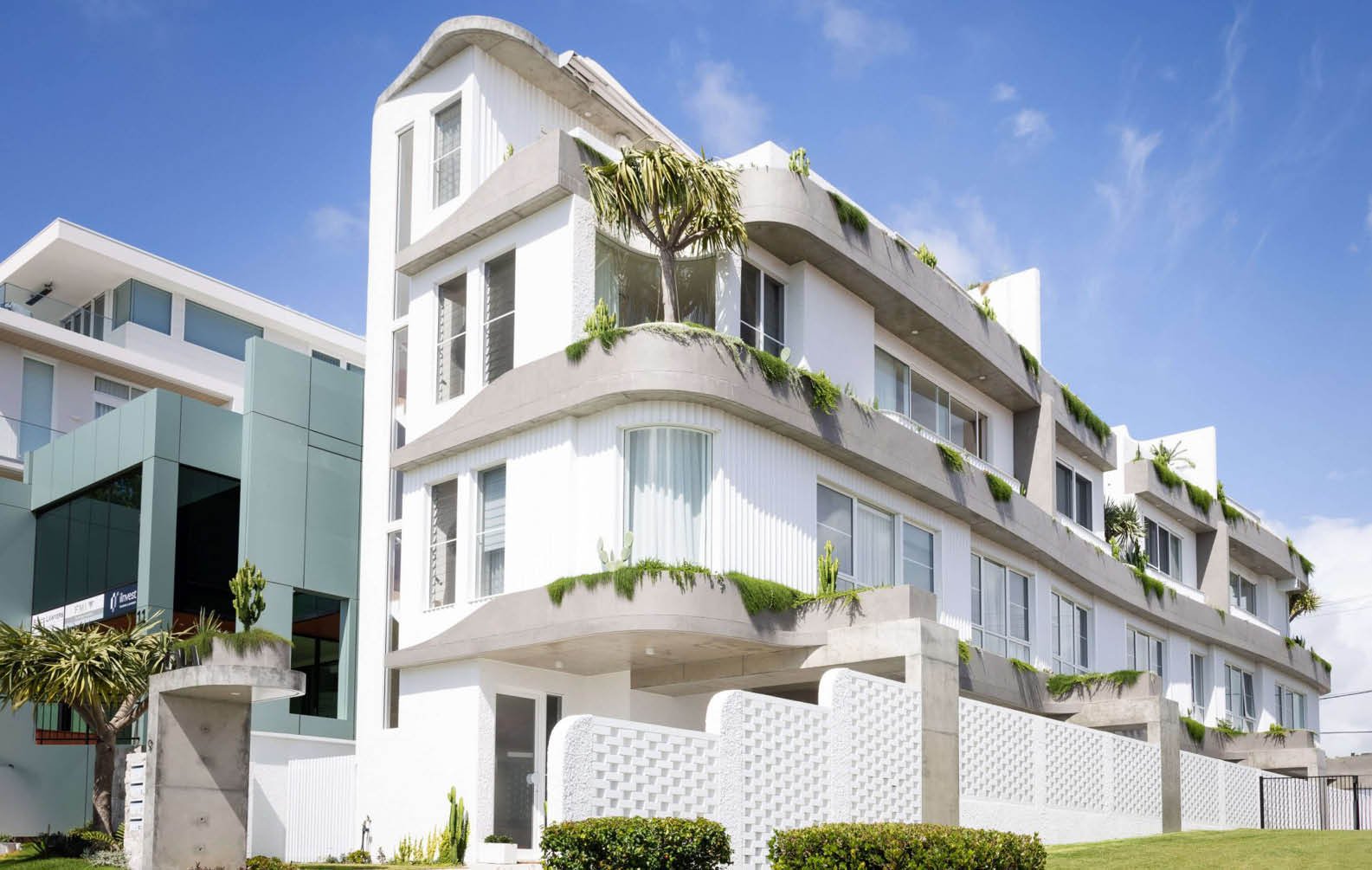
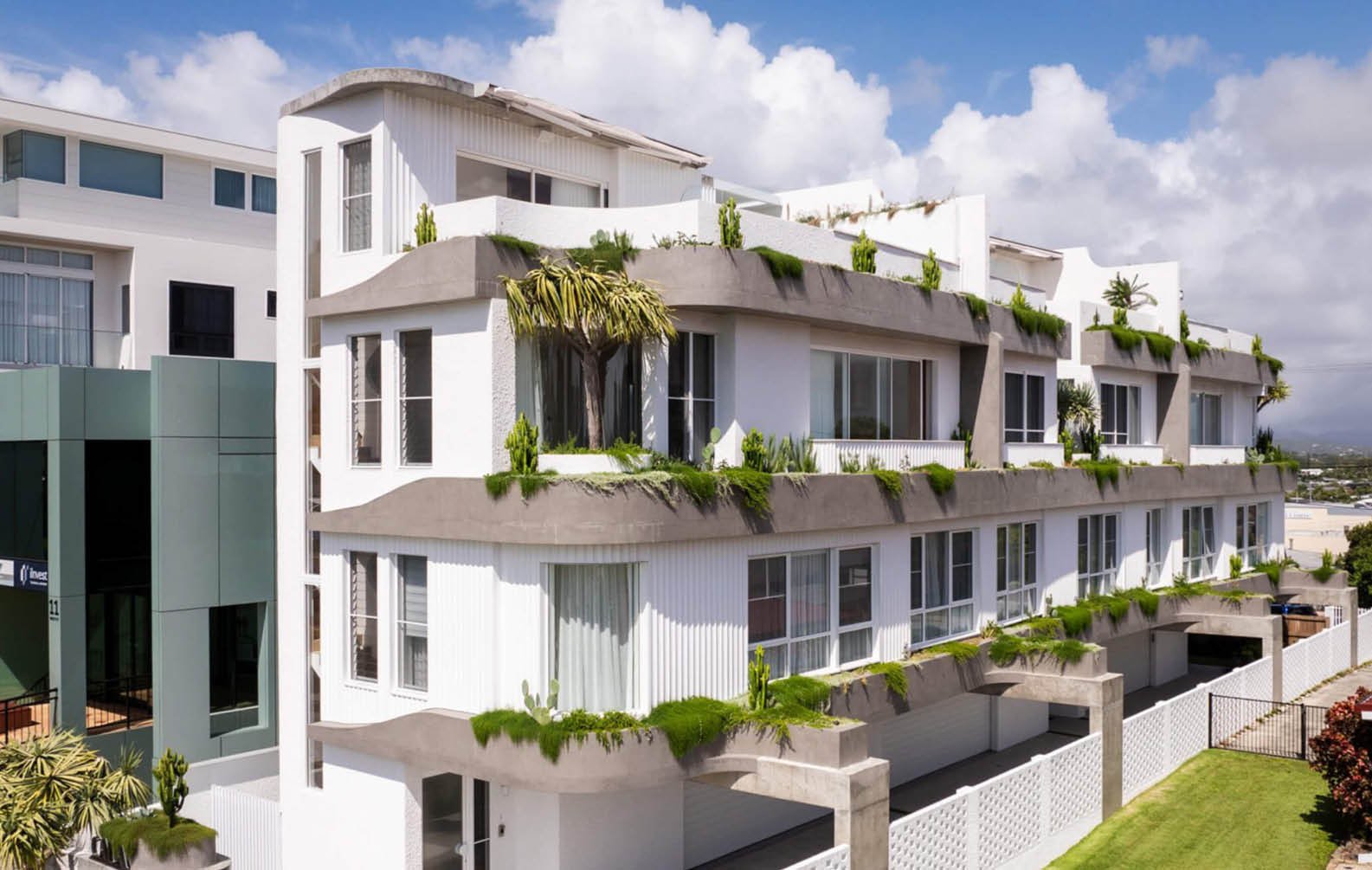
Cala Apartments
System: Click-on Cladding in aluminium with powdercoat finish.
Wall build-up note: Applied as a rainscreen over protective sheathing.
Outcome: Achieved a striking coastal facade that withstands environmental challenges while meeting fire performance needs.
Ready to Specify?
Explore Click-on Cladding and Velo Facades to see how Sculptform combines compliance with creative freedom. Use our Price & Spec tool to compare build-ups and select finishes. This will help you work with your fire engineer in specifying a safe, cost-effective and visually striking facade.

Frequently Asked Questions
Yes. Aluminium itself is non-combustible, but when specified as FR aluminium cladding, the coatings, fixings and sheathing must also be considered. The full build-up determines performance.
Typically, yes. Barriers compartmentalise the cavity and stop smoke or flame from moving freely. Placement depends on the fire engineer’s strategy, but they are usually essential for compliance.
They can. Even with non-combustible cladding, the coating can change how flames spread across the surface. Sculptform finishes are tested for performance, so you can choose a profile or texture with confidence.
Fire-rated gypsum or fibre cement sheathing, correctly placed cavity barriers and properly detailed fixings all strengthen fire performance. Each measure adds valuable minutes. The fire engineer will confirm the build-up needed for your project.
Yes. Open joints and perforations affect how fire and smoke behave. Backing barriers, sheathing and substructure details must be in place so the facade still meets the fire strategy.
The certifier or fire engineer provides final sign-off. Sculptform provides data sheets, test results and technical documentation to streamline approvals.
Inspirational Projects
Belvedere Main Beach
Coogee Residence
Telford House
A Coastal Statement in Feature Aluminium Cladding
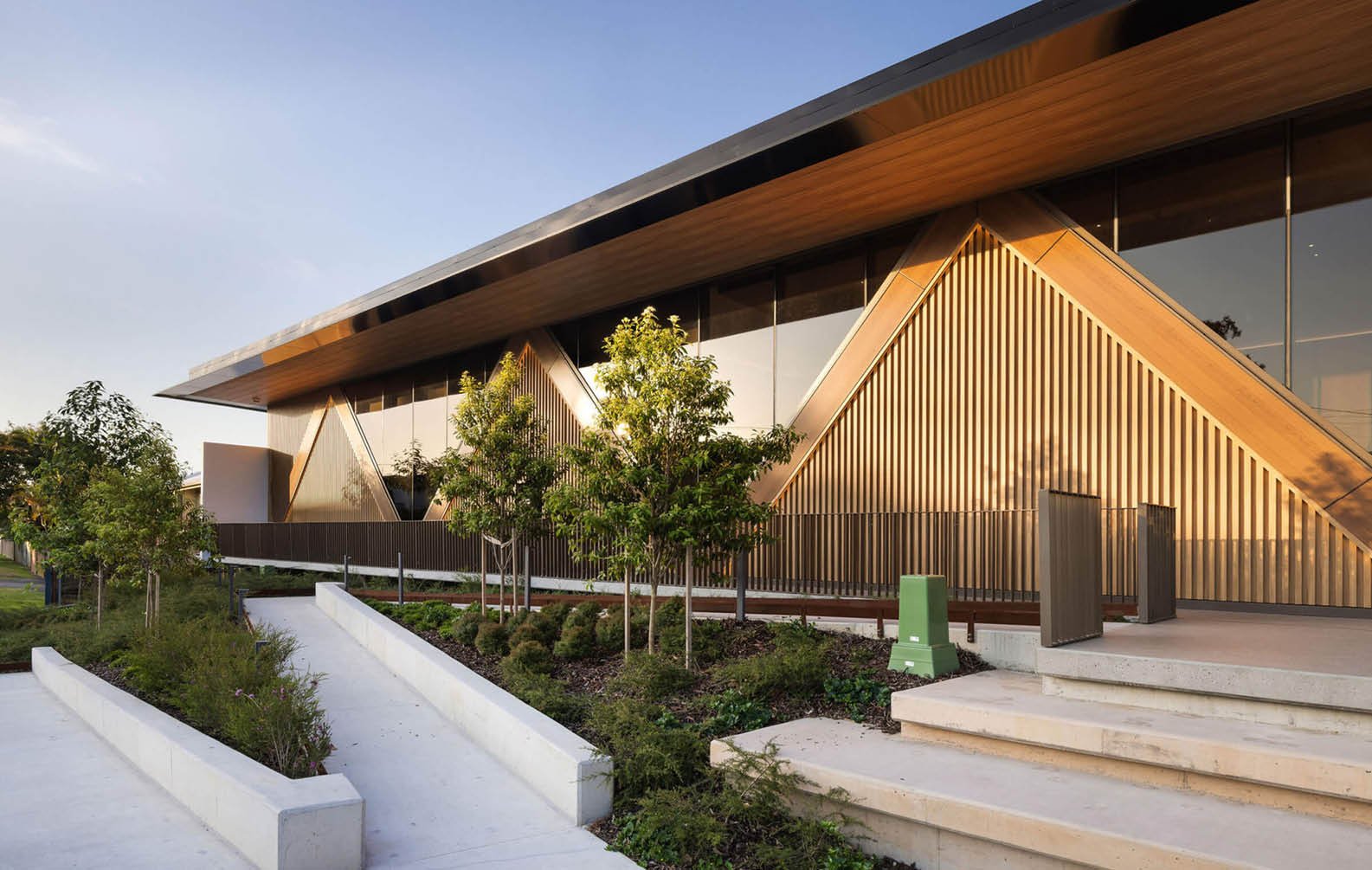
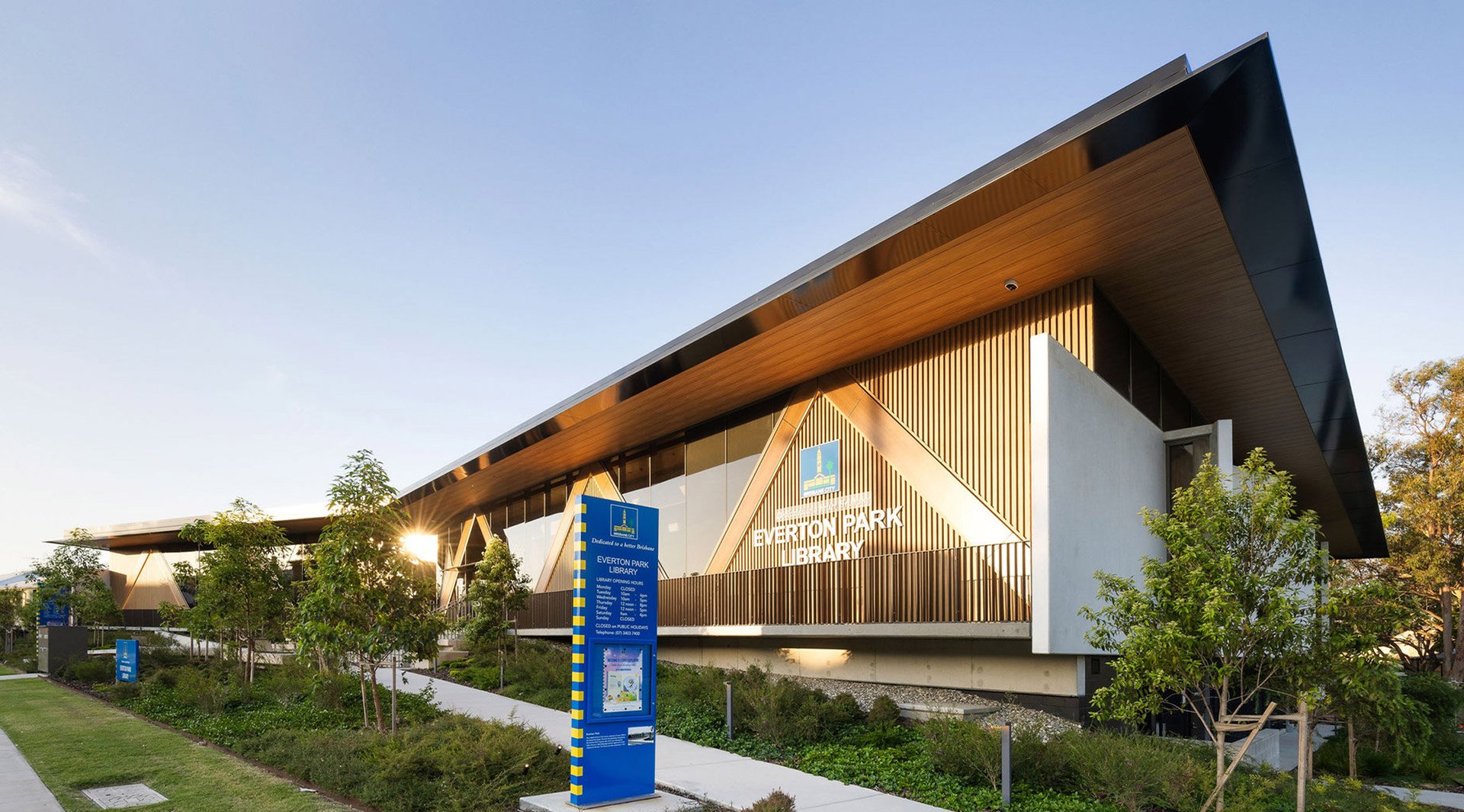
Everton Park Library
Ramsgate

Let’s get started!
Ready to chat about your next project
Our clients are at the heart of every project and it’s our job to deliver on the big picture and the smallest detail. If you have any questions about our Click-on Screens range, contact us or request a sample.