Designing for a Responsible Built Environment
Sustainability in Materials, Systems and Manufacturing
At Sculptform, sustainability is embedded in how we design architectural systems, select materials and manufacture products. Our goal is to support architects in creating buildings that are durable, adaptable and environmentally responsible.
By combining responsibly sourced materials with modular system design, Sculptform delivers architectural solutions built for longevity while supporting evolving building needs over time.
Timber
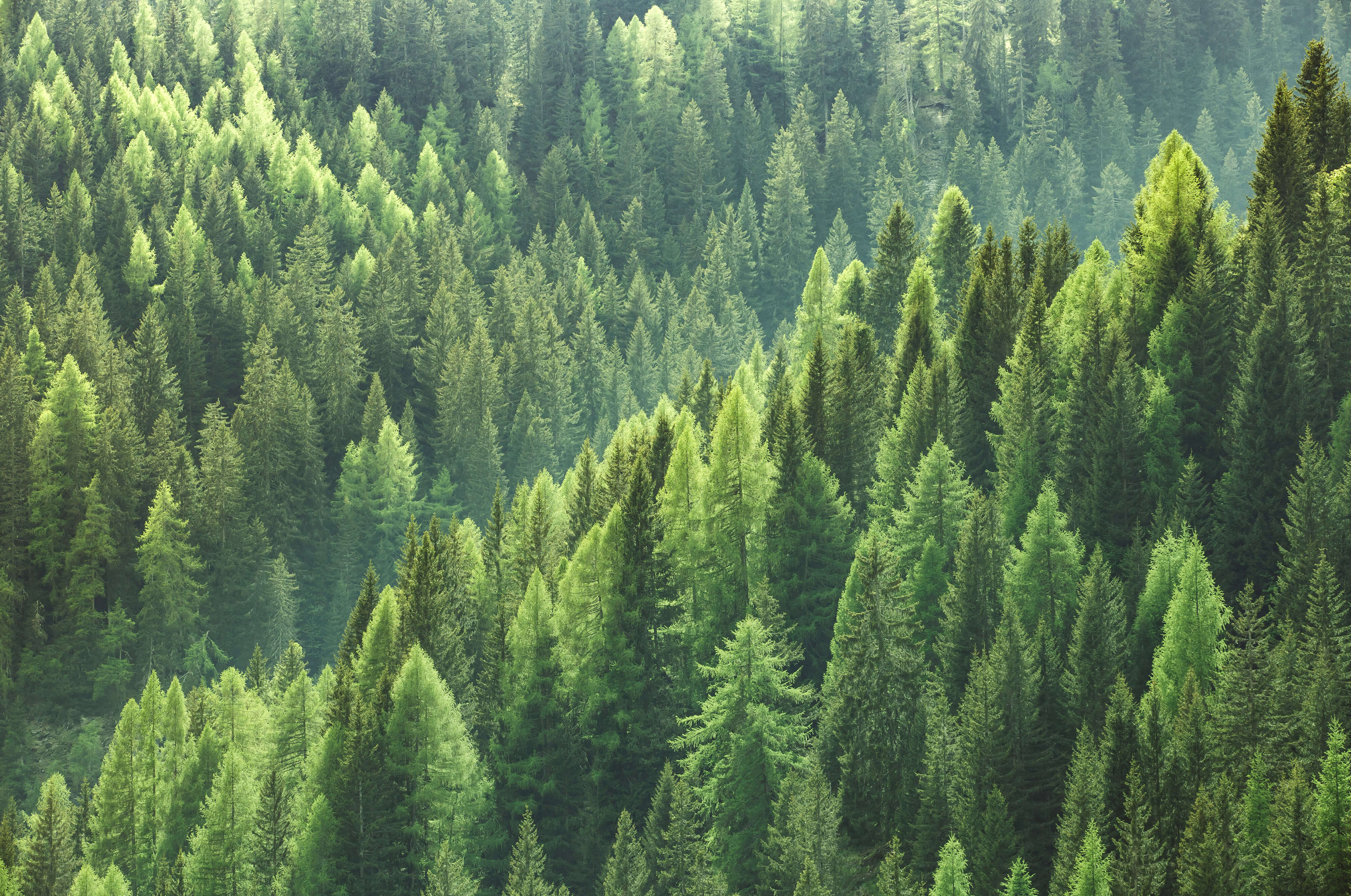
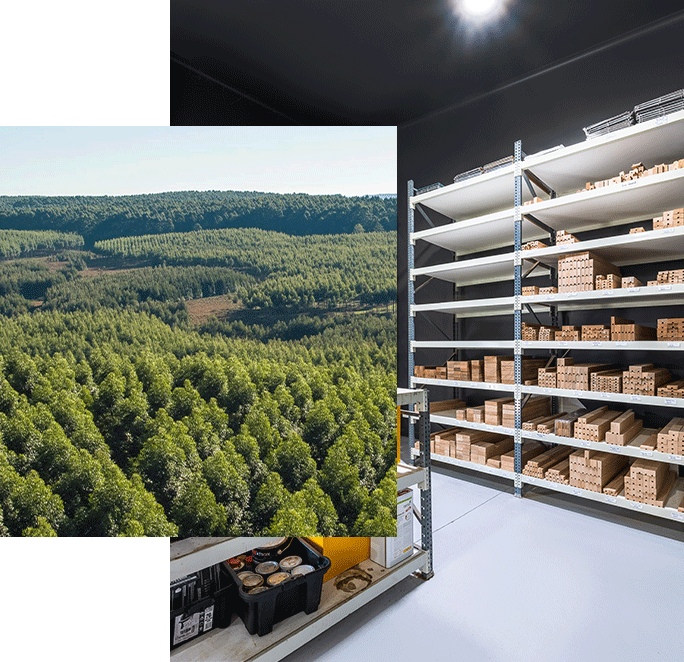
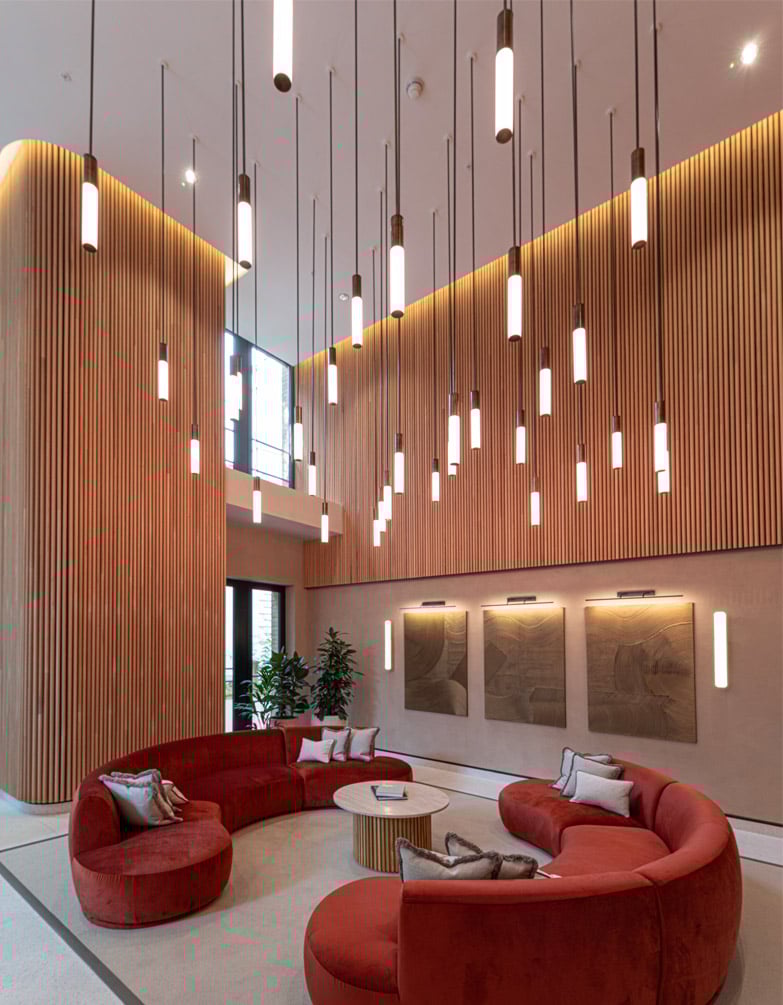
Timber is one of the most renewable resources on the planet and has the unique ability to store carbon absorbed during a tree’s lifetime, keeping it locked in the material until the end of its life. Even after harvesting, the carbon remains in the wood, only being released if the timber is burned or left to decay.
When sourced from responsibly managed forests, timber not only stores carbon but also supports sustainable forestry practices that maintain biodiversity and ecosystem health.
Sculptform offers timber certified under FSC and PEFC systems, ensuring full traceability from forest to finished product.


Aluminium
Aluminium doesn’t always have the best reputation for sustainability, producing it from raw alumina is energy intensive. However, once produced, aluminium can be recycled repeatedly using only a fraction of that energy, retaining its structural and aesthetic qualities. This allows components to remain in circulation and reduces the need for new raw material extraction.
For projects manufactured in the UK, Sculptform can also supply aluminium profiles extruded from Hydro billets. Hydro is a global aluminium producer known for innovation in low-energy production and extensive recycling operations that support lower-carbon supply chains.
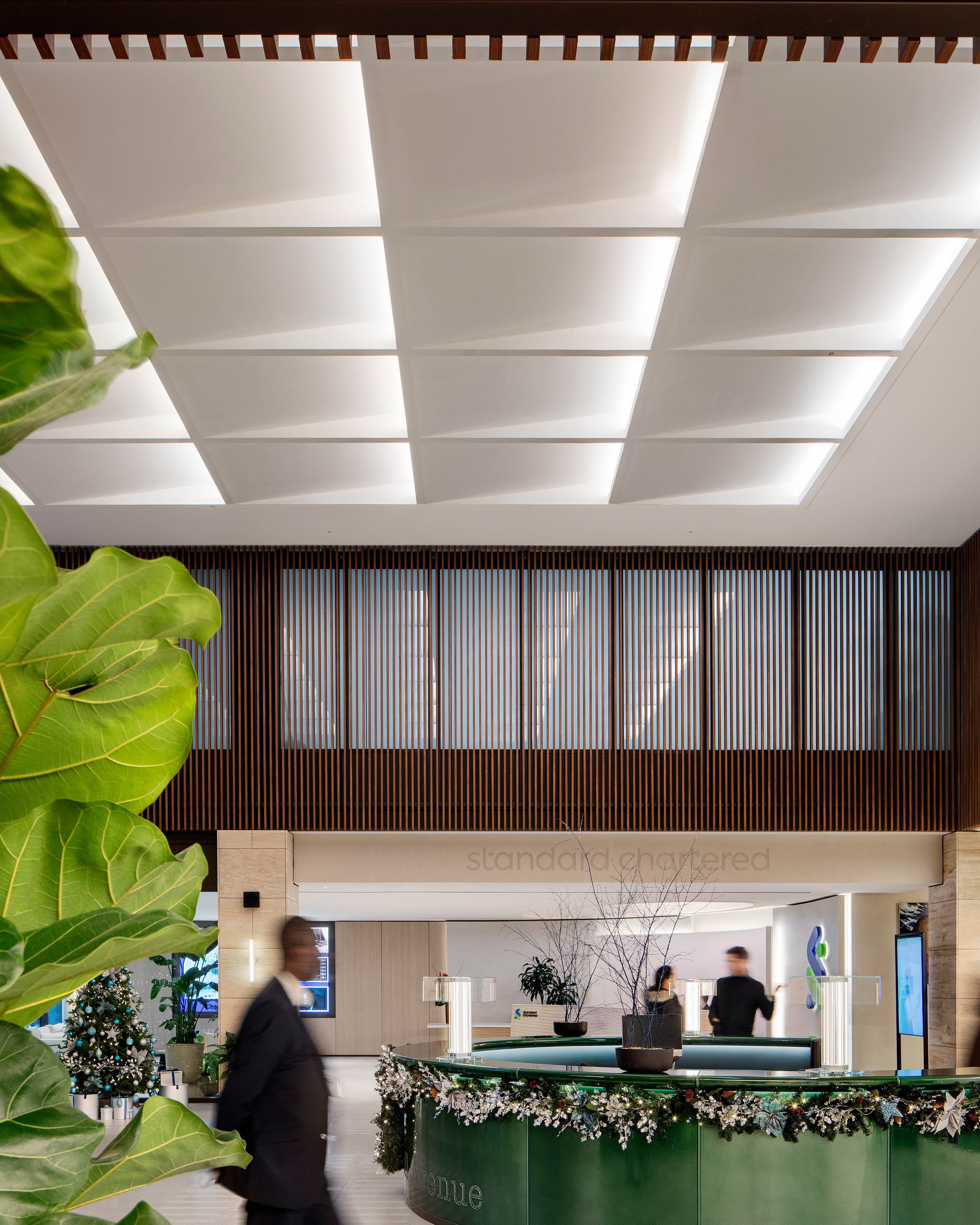
Final product weight efficiency is key. Comparing materials by weight in kilograms alone can be misleading, as different materials require different quantities for the same coverage. For example, extruded ceramics have 1-1.4kg of carbon (per kg of material) and it weighs about 35kg per m2 resulting in roughly 42kg of carbon per m2. Whereas low-carbon aluminium has 3kg of carbon (per kg material) with only 6.5kgs per m2 of weight making it about 19.5kg of carbon per m2. This shows how aluminium’s lightweight, recyclable nature can significantly reduce system-level carbon while delivering durable, high-quality finishes.
Environmental Transparency
Sculptform systems have been specified on projects that have achieved leading green building certifications, including LEED, WELL and BREEAM. Sculptform products can support sustainability outcomes through responsible material selection, adaptable system design and transparent environmental documentation.
Building health is also a key part of sustainability, all materials and coatings undergo VOC testing, ensuring spaces are safe, healthy, and comfortable for occupants.
Declare labels provide verified information on product ingredients, supporting the assessment of material health, environmental impacts, and alignment with green building certification requirements.