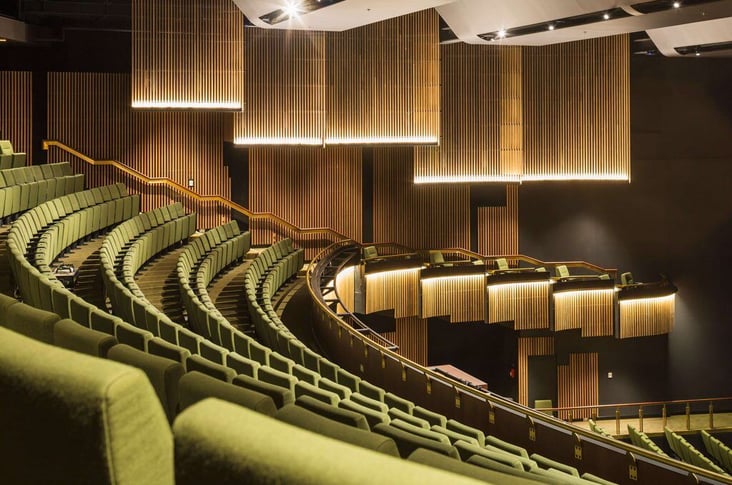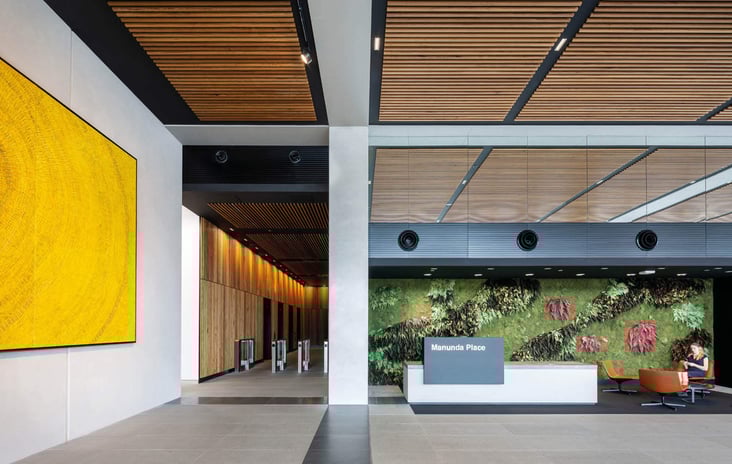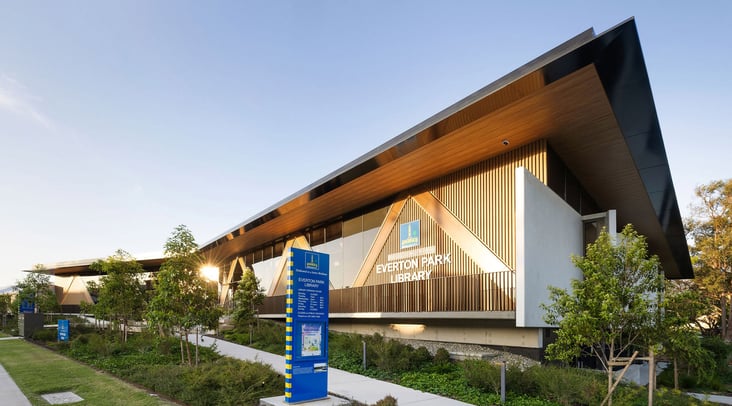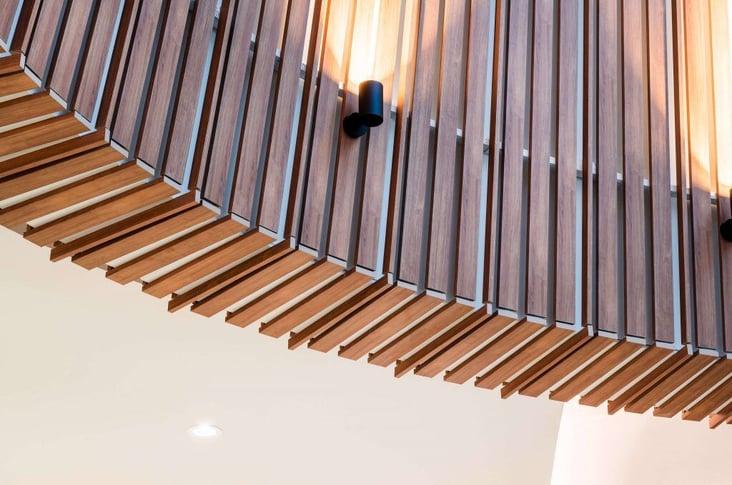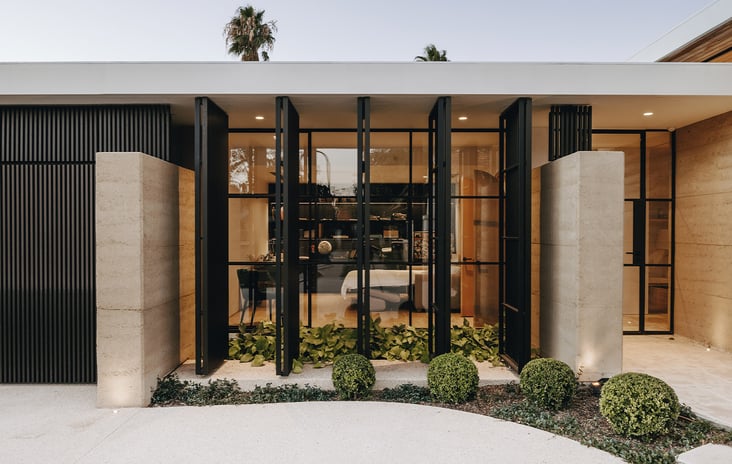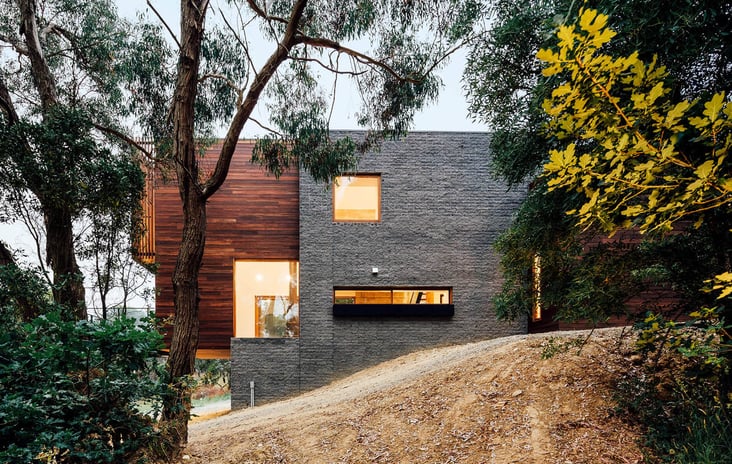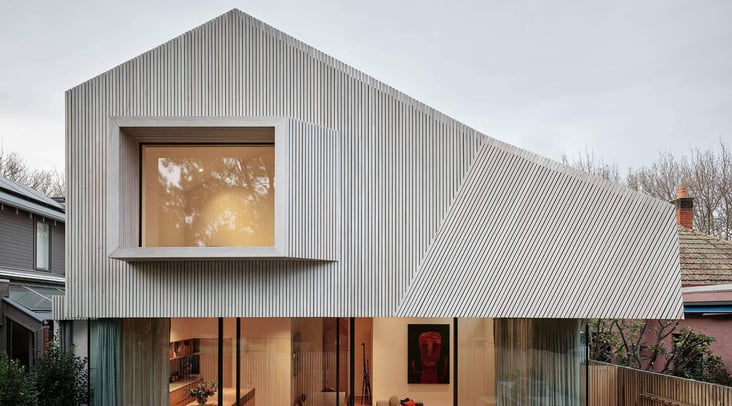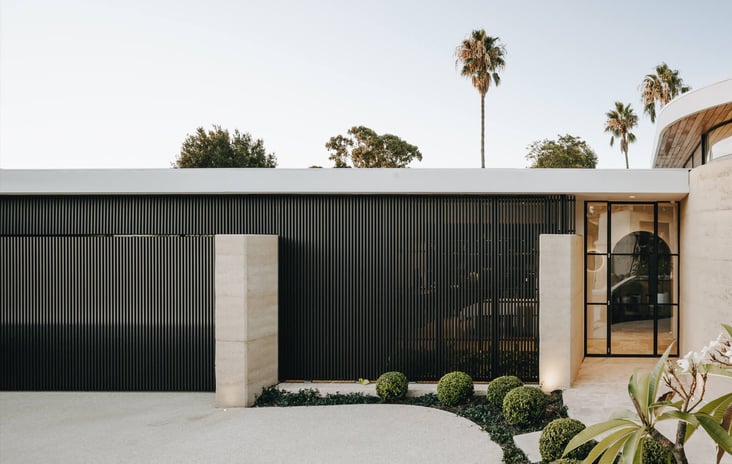
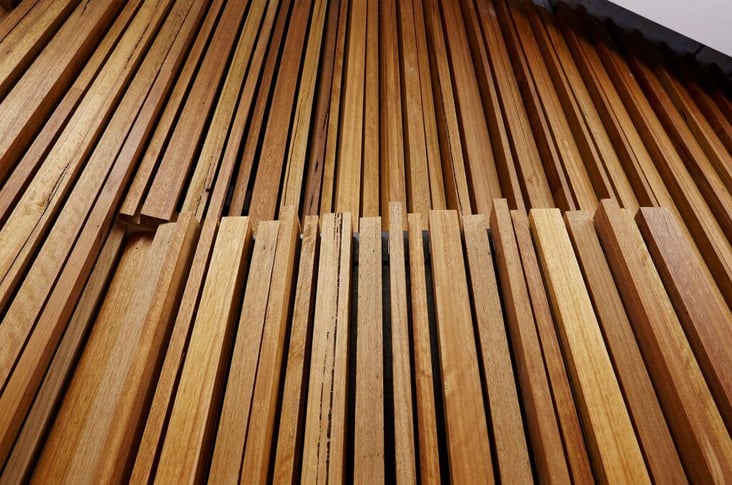
Decorative timber mouldings add a distinct finishing touch and elevate the look of interiors and exteriors’ to which they are applied. When it comes to architecture, timber mouldings are essentially the contour or outline of the edges and surfaces, and each design gives a room a different look and feel. The timber mouldings that we machine at Sculptform include Click-on Battens, Tongue & Groove Cladding and Click-on Screens.
Customers sometimes feel limited by the batten sizes available in the market and are pleased to discover our vast range of product options.
There is quite a process involved between sourcing timber and it being ready for install. The process starts with logging trees at their place of origin, transportation to a mill where it is rough sawn, and then it is shipped to our factory where it cut to size and put through our moulding machine where it is processed to project requirements.
 Logging
Logging, or commercial logging, involves cutting trees for sale as timber or pulp. The timber is used to build things such as homes or furniture and the pulp is used to make paper and paper products. We supply timber from a range of areas, including sustainably sourced options, in various species.
Each tree that is cut down is milled strategically so that a large amount of timber can be used. This is achieved by cutting various shapes out of a tree and getting as much material as possible; this provides lots of smaller sized lengths.
Timber is delivered to our factory in an unseasoned state where it is sorted onto pallets. Pallets are then transferred into our kiln ready to be dried. While in the kiln, timber is slowly dried to the standard EMC range, usually taking between 4-6 weeks. This process vastly reduces any timber movement.
Each piece of timber is machined in our factory to design requirements so that its smooth to touch and shows the beauty of timber.

Once our products are ready to be installed they are packaged and sent directly to the project site.
A spindle moulder machine is responsible for moulding each piece of timber into the required shape/profile. Each piece of timber is cut with a cutter head attachment to create the desired shape. We use a range of different cutter head profiles depending on the profile needed. For the moulder to machine a piece of timber through the cutting knives, it needs to have a flat surface on all four sides.
The machine consists of a very heavy steel base for stability. Through the top houses a vertical spindle, onto which is bolted a block containing the cutters. The spindle is controlled by a mechanism which determines how much and where the cutter profile cuts the timber.
An adjustable fence and guards determine the limits of the cut as well as preventing the operator’s hands from getting too close to the cutters. The purpose of the guard is to provide pressure on the workpiece to hold it very firmly onto the table.


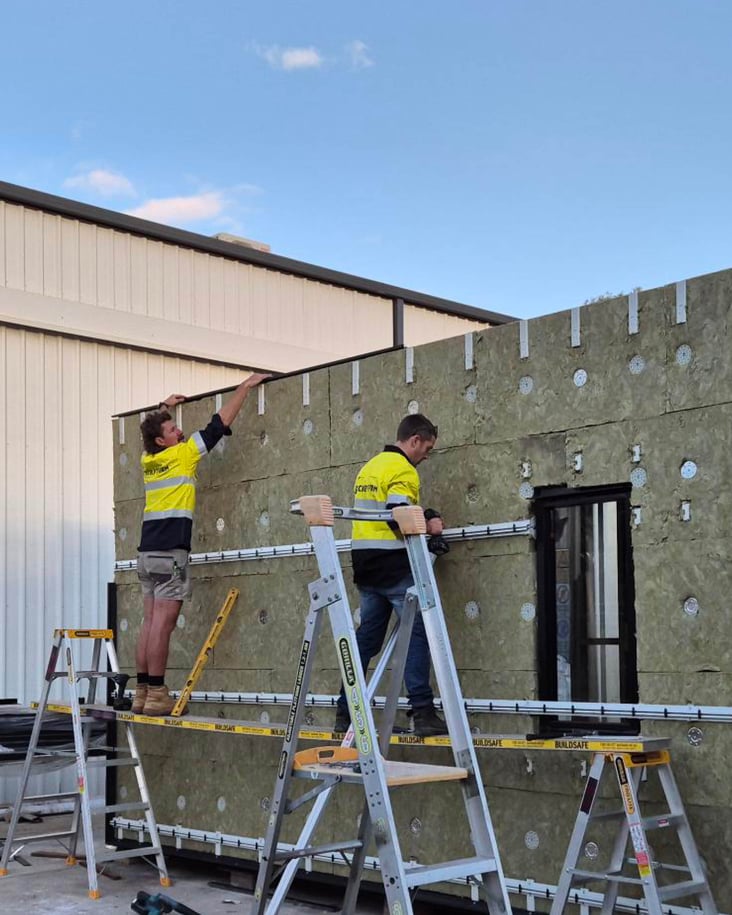
For battens that are larger in size and are being fixed to a substrate with a face fix screw, we recommend using a larger screw and more of them. If a Click-on Batten system is being used, the mounting tracks are needed to be installed closer together to add extra support and help prevent movement. A mechanical fix (screw) may also need to be added to assist the clip in taking the weight.
Often products with a custom profile are chosen to achieve the desired design intent for a project. The good news is that custom profiles can be quick to turnaround and are complimentary for large projects.
If suggestions are shared with us and become a popular request, we usually add these to our range! For example, flute and dome profiles started as custom profiles but are now part of our standard due to high demand.
Our clients are at the heart of every project. It’s our job to deliver on the big picture and the smallest detail. We’re your proactive design partner – we’ll listen to what you really need and work with you to make sure the job gets done right.
If you have any questions about timber moulding, you can contact us below.